What to do if chive leaves are thin and small? Causes and solutions
Chives are a kind of vegetable that many people like to eat, and in daily life they are often used to scramble eggs or make dumplings, but growers find when planting that the chive leaves grow thinner the longer they grow, which brings quite a bit of trouble to growers. So what are the causes of chive leaves growing thinner the longer they grow? Let's find out together.
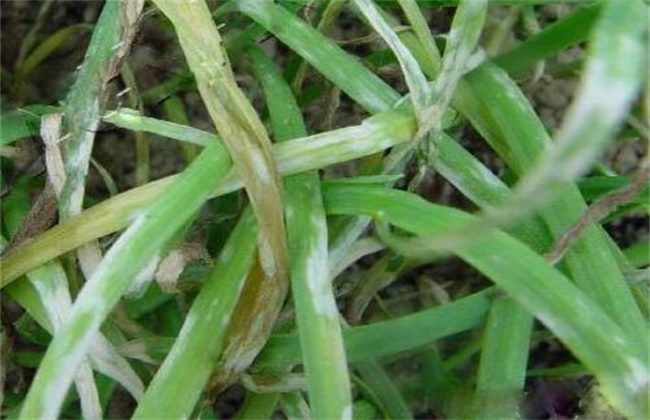
1. Insufficient fertility
Insufficient fertility is the main cause of chive leaves growing smaller the longer they grow. Chives need various nutrient elements during growth, and when nutrients are insufficient, their growth is slow and the leaves develop poorly, becoming thin and small. So when encountering this situation, if you find chive leaves thin and small, you should fertilize in time. First remove the yellowed leaves, and when fertilizing you can apply cake fertilizer. Cake fertilizer is a commonly used fertilizer for vegetables, and its main raw material is the residue left after pressing peanut oil. Before using cake fertilizer, it must first be decomposed and diluted before application, otherwise it will burn the chive roots. This method is suitable for small-scale chive growers. If it is a large-scale grower, chives are harvested in successive crops, and after each harvest they must be fertilized once. Organic fertilizer is recommended to ensure the quality of the chives harvested later. After two harvests, compound fertilizer and ammonium sulfate should be applied, applied in batches, and care should be taken to apply evenly, which helps the chives grow evenly.
2. Multiple harvests
Chives are a vegetable that can be harvested multiple times; one planting can be harvested many times. If the number of harvests is too many, the chives will gradually show signs of malnutrition. This situation is a natural rule, and even fertilizing cannot change it, so to ensure the taste and quality of the chives, the number of harvests should be reduced accordingly. The tender chives in our daily life are actually the chives from the first harvest. The first round of chives tastes the best, while those harvested later taste coarser and harder, and their nutritional value is also reduced.
3. Root problems
Root problems are also a main cause of thin and small chive leaves, such as root aging, which weakens the ability to absorb nutrients, so their growth will naturally slow or stop, and the leaves will also become thin and small. Or if the chives have been growing for too long, the underground roots become tangled together, and over time this leads to root damage and rot, which in turn affects leaf growth. For this kind of root problem, the chive roots must be trimmed and then replanted, to avoid the occurrence of aging and rot.
4. Diseases and insect pests
The main disease and insect pest of chives is the root maggot, which mainly lives underground and feeds on chive roots. When the chive roots are damaged, the growth of the chives is affected, resulting in thin and small leaves. When the chives grow thinner and thinner and more and more yellow, you should check whether it is caused by root maggots. If so, apply medicine on schedule to eliminate the root maggots, so that the chives can resume growth.
The above is an introduction to the causes of thin and small chive leaves and the solutions. We hope it can help you. If you want to learn more related knowledge, please stay tuned to us.