-

Cultivation and Management Techniques for Young and Fruiting Lychee Trees
Lychee belongs to the Sapindaceae family and originated in our country. It is one of the four famous fruits of southern China, with a cultivation history of over 2,000 years. The following growth characteristics of young lychee trees have been summarized from lychee cultivation experience: (1) low branching order of shoots; (2) large shoot growth volume; (3) vigorous root growth; (4) early flowering period...
-
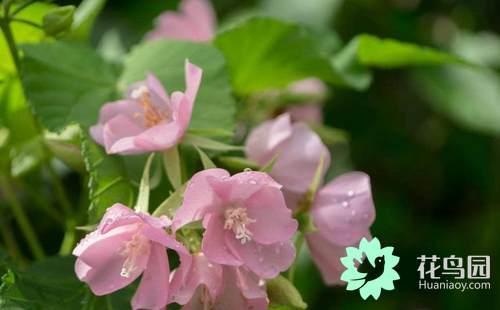
Master These Techniques and Growing Pink Ball Tree Will Be a Breeze
Pink ball tree is much loved for its beautiful, vivid pendulous flower balls, and they can be seen more or less everywhere in courtyards, parks, residential communities and school campuses. Their care requirements are not too complicated either, and with just a little effort you can grow...
-
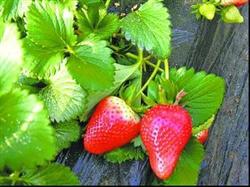
Detailed Explanation of Key Points of Virus-Free Strawberry Cultivation Techniques
After many years of asexual propagation, strawberry virus diseases have become increasingly severe, the varietal characteristics of cultivars have begun to degenerate, and both yield and quality have declined year by year. Virus-infected plants generally show stunted individual growth, smaller leaves, and sharp, pointed serrations along the margins of the leaflets; the heart leaves are sometimes yellowed; the flowering period is earlier, the fruit is small, yield is reduced, ...
-
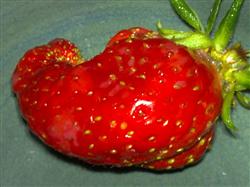
How to scientifically prevent and control strawberry pests and diseases? A full analysis of methods and techniques
Under normal growth management of greenhouse-cultivated strawberries, deformed fruit accounts for 10%-20%. However, when varieties are improperly selected or the ecological environment does not meet the growth needs of strawberries, the proportion of deformed fruit often increases, sometimes reaching as high as about 50%, resulting in reduced yield and low returns. Common deformed fruits include crooked and flat fruit, plump fruit, aggregate fruit, protruding...
-
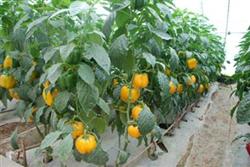
Detailed Explanation of Key Techniques for Pepper Seedling Cultivation in Summer and Autumn
Colorful peppers get their name from the bright and colorful hues of their fruit skin, which can be red, yellow, white, green, purple, black and so on. Local vegetable growers call them "five-color peppers," "seven-color peppers" or colorful sweet peppers. They can be eaten raw, cooked, or used to complement dishes, and can also be pickled or made into sauce. Both yield and economic returns are high...
-
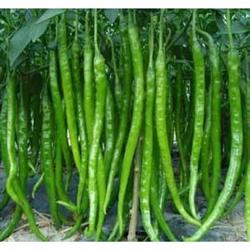
Detailed Explanation of Key Points for Winter Cultivation Techniques of Pumpkin
Potassium can enhance the photosynthesis of crops and plays an important role in the metabolism, synthesis and transport of carbohydrates. It can not only increase the yield of line peppers but also improve their quality. When potassium is deficient, flower formation and pod setting first decrease, and then the pods become smaller and thinner, and even their number decreases. In severe cases, the pepper's drought resistance and disease resistance...
-
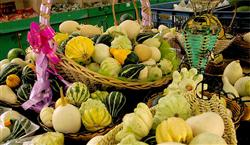
Detailed Explanation of Key Cultivation Techniques for Ornamental Pumpkins
I. Variety Selection The ornamental pumpkin series includes varieties such as Flying Saucer, Zebra, Microphone, Mask, Golden Egg, Silver Egg, Wuzhishan, Golden Boy, Jade Girl, Censer, White Jade, Golden Apple, Little Alarm Clock, A Touch of Green, A Touch of Yellow, Little Pillow, Little Gourd, etc. Growers had best buy mixed packets of seeds for mixed planting, so the pumpkins produced...
-
How to prevent and control jujube tree rust disease? Mastering integrated control techniques is key
Jujube rust disease, also known as jujube mist, often causes massive leaf drop during the fruit expansion stage. Diseased trees produce shriveled jujube fruits with reduced sugar content in the flesh, most of which are inedible. Due to the damage caused by rust disease, serious yield reductions occur, variety quality deteriorates, and farmers' economic income is directly affected. Severely diseased trees that drop leaves early will sprout a second time, affecting the...
-
Key Points of Cutting Propagation Techniques for Improved Kiwifruit Varieties
Prepare the cutting seedbed. The seedbed should be selected from dry land with relatively high terrain, loose soil and a certain water-retention capacity. After plowing the land, arrange it into a seedbed about 1 m wide and 25 cm high, mix a certain amount of river sand into the bed surface, and use 1%-0.5% potassium permanganate to disinfect the soil 1-2 times. Softwood cuttings around mid-to-late June, ...
-
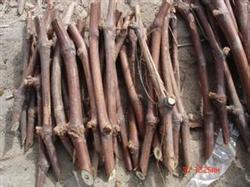
Detailed Explanation of Grapevine Cutting Propagation Techniques
Cutting propagation is the direct use of grapevine canes for cutting to cultivate seedlings. According to the different types of canes, cutting propagation can be divided into hardwood cuttings and green cuttings; hardwood cuttings are commonly used in production. (1) The principle of rooting from cuttings: The nodes or internodes of grapevine canes can all produce roots, and this kind of root is called an adventitious root. On grapevine canes...
条件筛选