Master These Techniques and Growing Pink Ball Tree Will Be a Breeze
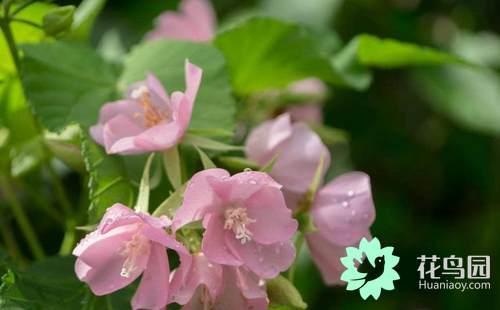
Pink ball tree is much loved for its beautiful, vivid pendulous flower balls, and they can be seen more or less everywhere in courtyards, parks, residential communities and school campuses. Their care requirements are not too complicated either, and with just a little effort you can grow a whole large patch of them!
Propagation Methods
When cultivated in China, it does not set seed, so cutting propagation is used. Each year after flowering, once it has recovered a little, take branches for cuttings in early April along with shaping. When taking cuttings, choose mature branches, each about 15 cm-20 cm long, insert them at an angle into red soil, maintain 75%-90% humidity and provide shade; they will root in about 20-30 days, and can be transplanted after rooting.
Cultivation Techniques
Soil and Water:Pink ball tree is not demanding about soil and can tolerate sandy loam, but it grows best in fertile soil. It is not demanding about water either, but the soil must not be too dry.
Temperature and Light:It likes a warm, humid, sunny environment and is not tolerant of frost. The suitable growing temperature is 20°C-30°C; growth stalls in winter when the temperature falls below 15°C, and frost damage occurs below 3-5°C. In South China, it can be planted in a spot facing south and sheltered from the north. When cultivated in northern China, it is only suitable for pot cultivation, overwintering in a greenhouse.
Soil and Fertilisation:It grows fairly quickly and likes fertile, moist sandy loam that does not waterlog, and it can tolerate a relatively dry environment. When planting, apply plenty of base fertiliser, and after it establishes, apply a liquid compound fertiliser once a month. Carry out pruning and shaping once each year in early spring; older plants need heavy pruning. When ventilation is poor, the lower leaves are prone to scorching and dropping.