-
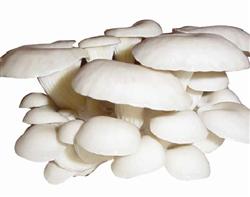
Key Cultivation Techniques for Intercropping Oyster Mushrooms with Cotton
Oyster mushrooms can be cultivated all year round, but those grown in the high-temperature season yield the greatest profit. Reasons: First, summer temperatures are high, making cultivation technically difficult, and pests and diseases occur easily, often leading to cultivation failure. Second, the total area under oyster mushroom cultivation in summer decreases, and total output is low, causing a shortage of fresh oyster mushrooms on the market and driving prices up. Base...
-
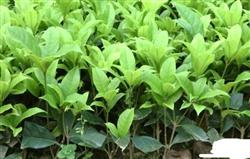
Detailed Explanation of Cutting Propagation Methods and Techniques for Osmanthus Trees
For cuttings, choose a suitable time. Osmanthus spring shoots stop developing at the end of April and by the end of June have become semi-mature sturdy branches. This kind of sturdy branch has the strongest vitality and is relatively easy to root when used for cuttings. The optimum temperature for osmanthus growth is 25°C-28°C; above 30°C growth slows. Therefore, in the lower reaches of the Yangtze River, the second half of June...
-
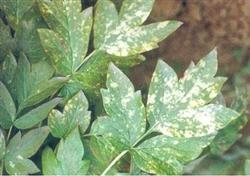
Detailed Explanation of the Key Cultivation Techniques for Aptenia cordifolia
As China's "national flower," the peony has developed rapidly at home and abroad in recent years thanks to its unique cultural heritage and ornamental value. With the continuous expansion of peony planting areas, the situation for peony cultivation management and pest and disease control has also become increasingly serious. This article introduces the methods of peony cultivation management and the common peony diseases...
-
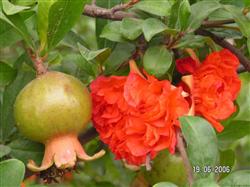
Detailed Explanation of Cutting Propagation Techniques for Peony-Flower Pomegranate
The peony-flowered pomegranate tree is a new and rare flower-and-fruit tree variety that combines multiple functions such as ornamental value, edible use, greening, and landscape beautification. This tree has pomegranate leaves and blooms peony flowers. It can be widely planted in fields and also cultivated for households, hotels, and tourist destinations, with extremely broad development prospects. Below is a description of its characteristics and cultivation techniques...
-
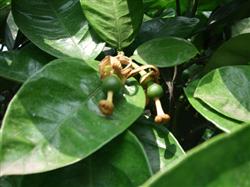
Key Management Techniques for Fuchuan Navel Orange During the Fruiting Period
How to manage Fuchuan navel orange well during the fruiting period? Please provide guidance and introduce methods. The following methods may be referenced for managing Fuchuan navel orange during the fruiting period: 1. Apply fruit-stabilizing fertilizer according to tree condition and strengthen foliar spraying. After young fruiting trees sprout buds and bloom, they consume a large amount of nutrients. To improve fruit set, a fruit-stabilizing fertilizer should be applied in time before the second physiological fruit drop (early June)...
-
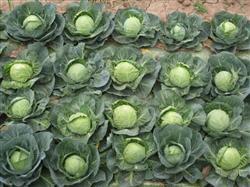
What are the key points of pollution-free cabbage cultivation techniques?
How do you grow pollution-free cabbage well? Please explain the cultivation method in detail. For pollution-free cabbage cultivation, you can refer to the following methods: 1. Variety selection. The varieties used for cabbage cultivation are determined according to the cultivation purpose and the time of going to market. For early spring plastic film cultivation in small arch sheds, early-maturing varieties are mostly used, such as Zhonggan 11...
-
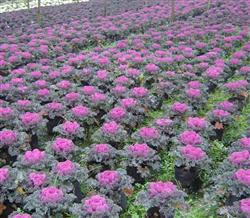
What are the key techniques for growing kale in the open field?
How is kale grown in the open field? Please give a detailed introduction to the planting methods and management methods. For open-field kale cultivation, you can refer to the following methods: Growing season: generally, seedlings are raised under protection from late March to early April, transplanted to the open field in early to mid-May, and harvesting begins in early to mid-June. Sowing and seedling raising 1. Sowing: ...
-
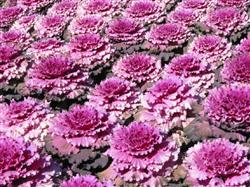
How to Grow Kale? Detailed Planting Methods and Techniques
How do you grow kale? How should you manage it and control pests and diseases? Please provide guidance. For kale planting methods and management methods, you can refer to the following techniques: Sowing and seedling raising. In mid-to-late February, use protected cultivation for seedling raising, using about 50 grams of seed per mu. Before sowing, first water the seedbed thoroughly, then evenly broadcast the seeds...
-
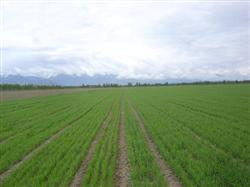
What are the key points of spring wheat management techniques?
How should wheat be managed in spring? Here is an introduction to spring wheat management for reference: 1. What are the main diseases, pests and weeds to be controlled in wheat in spring? The main task for wheat disease, pest and weed control in spring is controlling weeds in wheat fields. The main weeds in wheat fields in our county are: grass weeds include: jointed goatgrass, bromegrass, wild oat; broadleaf...
-
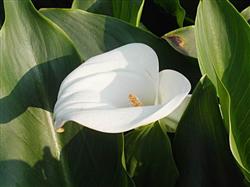
Key Points of Water Chestnut Cultivation Techniques
I. Variety Selection: From high-yield, disease-free water chestnut fields, select water chestnuts with intact appearance, no disease or insect wounds, plump corms, and thick sturdy buds as seeds, sized within 30 per jin, requiring 120-150 jin of seed per mu. II. Seedling Raising: Before raising seedlings, soak seeds in 800x diluted Haolaisi for 10 hours to prevent stem blight. The seedbed...
条件筛选