-
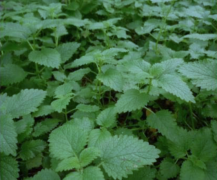
Introduction to the Growing Environment, Cultivation Techniques and Uses of Lemon Balm
Lemon balm (Lemon balm), also known as balm, bee balm, lemon balm grass, and lemon mint, is a very ancient plant in the lemon herb family. Growing lemon balm in pots is a very good method. To truly understand lemon balm, one must start from ancient Ephesus at the mouth of the Aegean Sea in ancient Greece, which is also the place where the Virgin Mary spent her final years! But first, let us gain a basic understanding of this herb with a lemon fragrance!
-
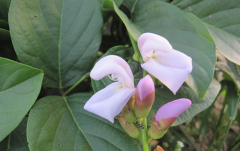
Sword Bean Growing Techniques, Propagation Methods, and the Differences Between Vining and Dwarf Varieties
Do you know the red phoenix bean? This plant has another name, the sword bean. So what are the planting time and methods for sword beans? Let's take a look together! The sword bean blooms from June to July and fruits from August to October. Among plants, those commonly called "sword bean" come in vining
-
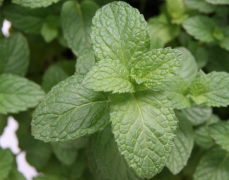
Key Points of Mint Cultivation Techniques and the Characteristics of Dutch Mint, Chocolate Mint, Apple Mint, and Julia Sweet Mint
How do you grow mint? Have you ever grown it? If you want to grow it, then let's find out together! Along the way, you can also learn about four mint varieties and what characteristics they have! Mint is a fairly easy plant to grow. If you want to get started growing herbs
-
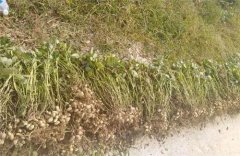
Wanhua No. 2 Peanut: Characteristics and Key Cultivation Techniques for a Yield of 2000 jin per mu
There are quite a few peanut varieties, and here is an introduction to peanut planting time and planting methods; if you are not familiar with this Wanhua No. 2 peanut variety, then let us take a look together! Variety name: Wanhua No. 2. Characteristics: It belongs to the erect, sparse-branching type, with a summer-sowing growth period of
-
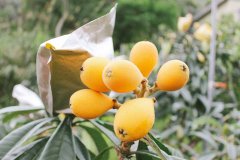
Mountain Pig Loquat Cultivation and Management Techniques and Flower and Fruit Thinning Methods
The origin of the name Mountain Pig Loquat: there is a couple who devoted all their heart and passion to growing loquats. They grow loquats without pesticides or chemical fertilizers, so natural that even wild boars know to pick them to eat, so they simply named them "Mountain Pig Loquat"! Loquat tree cultivation and management, let's take a look together
-
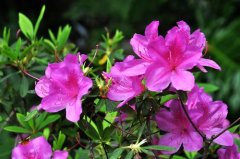
Introduction to Rhododendron cultivation techniques and propagation methods, and how to control Rhododendron pests and diseases
The Rhododendron is a fairly common plant. Do you know the Rhododendron growing methods? Let's take a look! Cultivation and management methods (1) Cultivation environment 1. Temperature and light: The new Rhododendron varieties Taoyuan No. 1 and No. 2 have an optimum growth temperature of 22°C to
-
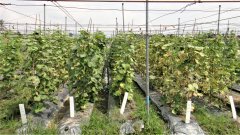
New Small Cucumber Varieties from Taiwan, China: Kaohsiung No. 3 Xiaqing and Kaohsiung No. 4 Xiazhi Cultivation Techniques and Optimum Temperatures
With global warming and climate change intensifying, under this increasingly warming environment, summer small cucumbers face production limits due to high temperatures, further affecting growth quality. Generally speaking, the optimum growing temperature for small cucumbers is 20-30°C. When the growing environment temperature is
-
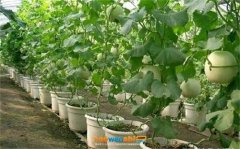
Melon Cultivation Techniques and Management Knowledge, with a Detailed Explanation of Soilless Cultivation Methods
The main production areas in China are Xinjiang, Gansu and other northwestern regions. In recent years, in China's eastern and southern provinces, such as Guangdong, Guangxi, Hainan, Shanghai, Fujian, Zhejiang, Nanjing and other places, explorations have also been carried out one after another to move muskmelon cultivation to the southeast, and results have been achieved
-

Soft-seed pomegranate saplings: 2020 to 2021 prices and cultivation techniques
After more than 10 years of cultivation trials and observation in China, the soft-seed pomegranate has shown excellent performance in all aspects, especially its outstanding characteristics of early ripening (seeds begin to color and turn red in mid-August, in the early seventh month of the lunar calendar), large seeds (100-seed weight 56.2 grams), bright color (red seeds), large fruit,
-
A Detailed Guide to the Benefits, Effects and Cultivation Techniques of Isatis Root
Isatis root (banlangen) is a common Chinese medicinal herb, usually dug up in autumn and used as medicine after processing. Both the root and the leaves are used medicinally; the root is called Isatis root and the leaves are called Daecheong leaf (Isatis leaf). So, what are the benefits and effects of Isatis root? Cultivation techniques are also included! 1. The benefits of Isatis root
条件筛选