Introduction to the Growing Environment, Cultivation Techniques and Uses of Lemon Balm
Lemon balm (Lemon balm), also known as balm, bee balm, lemon balm grass, and lemon mint, is a very ancient plant in the lemon herb family. Growing lemon balm in pots is a very good method. To truly understand lemon balm, one must start from ancient Ephesus at the mouth of the Aegean Sea in ancient Greece, which is also the place where the Virgin Mary spent her final years! But first, let us gain a basic understanding of this herb with a lemon fragrance!
Lemon balm, also known as balm, bee balm, lemon balm grass, and lemon mint, is a very ancient plant in the lemon herb family. Growing lemon balm in pots is a very good method. To truly understand lemon balm, one must start from ancient Ephesus at the mouth of the Aegean Sea in ancient Greece, which is also the place where the Virgin Mary spent her final years! But first, let us gain a basic understanding of this herb with a lemon fragrance!
Lemon balm has a very wide range of uses, and because it has excellent effects in relieving stress, helping sleep and digestion, related products such as lemon balm hydrosol, lemon balm essential oil, and lemon balm tea are all very popular among particular groups of people.
Lemon balm
Morphological Characteristics
Scientific name: Melissa officinalis English name: Lemon Balm Family and genus: Lamiaceae
Perennial herbaceous plant, plant height 30-60 cm
Strong branching, easy to form clumps
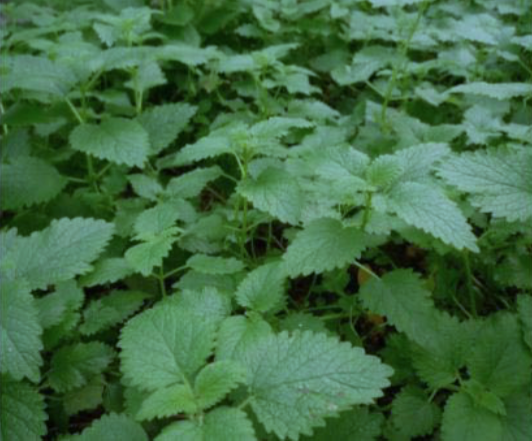
Ovate serrated leaves, opposite, covered with fine hairs, leathery
Lemon balm
Growing Environment and Cultivation Techniques
Prefers a warm, dry growing environment with good drainage and sufficient light; it can also grow in semi-shaded places
Drought-tolerant, but grows poorly in high-temperature and high-humidity environments
Sandy soil with good water permeability
Sufficient sunlight, ventilated, dry and refreshing
Regularly prune excessive or aged branches and leaves
Propagation
Lemon balm
It can be propagated by seeds, cuttings or division, and most are kept for seed by cuttings
Take cuttings indoors in winter and spring or in a shaded cool shed
Take branches 8-15 cm long from the middle and upper parts, insert them into sandy soil, keep them moist in a concealed place for 15-25 days and they will take root and become seedlings
Lemon balm
Uses
Harvest tender branches and leaves, or at the 3~5 nodes above the base
Can be used fresh or dried in a ventilated and cool place for later use
Can be used in beauty care, medicine, essential oils, ingredients, etc.
For food use, it is generally mainly used to make tea, and can also be cooked with meat, or made into cookies, ice cream, sauces, etc.