Key Technical Points for Open-Field Spring Muskmelon Cultivation
Apply all the base fertilizer at once, open a furrow 30 cm from the plants, and apply 50-100 kg of potassium sulfate compound fertilizer per mu, or 2-3 cubic meters of decomposed livestock and poultry manure. Or apply 50-100 kg of ternary bio-organic fertilizer, and in the middle and late stages spray the leaves with potassium dihydrogen phosphate + Xin Gao Zhi Mo (New High Lipid Film) at 600-800 times dilution, while also spraying Cuihua Wang No. 3 to balance vegetative growth...
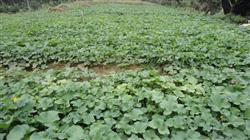 Open-field spring muskmelon cultivation has low input costs and is easy to manage, making it one of the best choices for farmers to increase income in the short term. Optional varieties include Xiangmi 900, the Shabai series, and others.
1. Seed soaking
After selecting a good variety, you may sun the seeds appropriately in fine weather, then sort them. For warm-water seed soaking, soak in 55 degree water for 1 minute, then cool to 25 degrees; after 6 hours, remove and air-dry slightly, then sprout them, (keep the sprouting temperature at about 28 degrees) and sow promptly once the seeds sprout and show white.
2. Seedling raising
You may use 65-cell black seedling trays for raising seedlings (average temperature above 15 degrees), with a seedling age of about 35 days. Transplant to the field when the seedlings reach the 3-5 leaf stage.
3. Transplanting
Transplant in early to mid-May. The planting density can vary depending on the variety. After transplanting, pay attention to water management to shorten the recovery period as much as possible. Water into the planting holes, which both preserves soil temperature and supplies sufficient water for recovery. Cover with plastic film to retain moisture and increase soil temperature. A water-retaining agent can also be used at transplanting to reduce the number of waterings; the entire growing period may require only 1 more watering.
4. Fertilization
Apply all the base fertilizer at once, open a furrow 30 cm from the plants, and apply 50-100 kg of potassium sulfate compound fertilizer per mu, or 2-3 cubic meters of decomposed livestock and poultry manure. Or apply 50-100 kg of ternary bio-organic fertilizer. In the middle and late stages, spray the leaves with potassium dihydrogen phosphate, Fengshou No. 1, and similar products as supplementary regulation, which can also balance vegetative and reproductive growth and increase the fruit-setting rate.
5. Pesticide use
Along with the pots and fertilizer, broadcast 2-4 kg of Tiannuo Xianjing per mu, or phoxim, or abamectin, etc., to control soil-dwelling pests, nematode disease, or soil-borne diseases; during planting and management, prevention of viral diseases should be strengthened, spraying the leaves with Zhibingling and a protective fungicide once about every 10 days.
6. Watering
Water sparingly at ordinary times, and seize key periods such as the fruit-swelling water; at the same time, apply a quick-acting compound fertilizer as a top dressing to ensure the muskmelon has sufficient nutrients, and water promptly in case of drought.
7. Management
Choose an appropriate pruning and vine-training method according to varietal characteristics. For example, Xiangmi 900 does not need pruning or removing side shoots and can be allowed to grow naturally; the Shabai series muskmelon, however, requires five-vine pruning and retaining 3-4 fruits.
8. Taboos
Muskmelons mostly should not be grown after the same crop, should not be watered when the soil is hot, should not be given chlorine-containing fertilizer, should not be weeded during the flowering period, should not be given nitrogen fertilizer, should not be planted after rapeseed, and should not be planted under large trees. Muskmelon growers are advised to take note and refer to these practices when planting, to ensure a good harvest.