Key Technical Points for Fertilization and Earthing-Up Management of Asparagus
1. Fertilization: When cultivating asparagus, use plenty of organic fertilizer to make the soil loose and fertile, which is beneficial to the development of rhizomes and root systems. The amount of fertilizer used should be comprehensively considered based on factors such as the size of plant growth, soil fertility level, and utilization rate. Plant growth includes the yield of young shoots, the weight of aboveground stems, and the growth of rhizomes and fleshy roots...
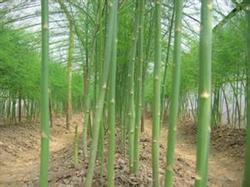
1. Fertilization
When cultivating asparagus, use plenty of organic fertilizer to make the soil loose and fertile, which is beneficial to the development of rhizomes and root systems. The amount of fertilizer used should be comprehensively considered based on factors such as the size of plant growth, soil fertility level, and utilization rate. Plant growth includes the yield of young shoots, the weight of aboveground stems, and the growth of rhizomes and fleshy roots. Based on an annual yield of 400 kg of young shoots per mu, the absorption of the three essential nutrients by asparagus is: nitrogen 6.96 kg, phosphorus 1.8 kg, potassium 6.2 kg. During fertilization, the utilization rate of nitrogen and potassium is about 50%, and that of phosphorus is 20%. In addition, 20% of the nutrients needed by the plants already exist in the soil, so the actual fertilizer application should be nitrogen 11.1 kg, phosphorus 7.2 kg, potassium 9.9 kg. For those harvesting white asparagus, during May to August of the first year after seedling planting, combine with intertillage and loosening of the soil, and apply dilute human excrement and urine 3-4 times around the plants to promote vigorous growth of the plant clumps. In the spring of the following year, open furrows on both sides of the plants at a distance of 30-40 cm from the plants, and apply 1500-2000 kg of compost, 25 kg of superphosphate, 1200 kg of human excrement and urine, or 12 kg of urea per mu, mix well with the soil, and then cover with soil. Starting from the third year after planting, young shoots begin to be harvested. After harvesting the young shoots, apply 2000-2500 kg of compost, 1200 kg of human excrement and urine, 35 kg of superphosphate, and 15 kg of potassium chloride per mu in the center of the furrow. During summer and autumn, after intertillage and loosening of the soil, apply dilute human excrement and urine and potassium chloride 2-3 times near the plants. The focus of topdressing should be arranged in autumn when the plants grow vigorously.
For those harvesting green asparagus, the fertilization method in the first year after planting is the same as that for white asparagus. From the second year onward, the focus of fertilization is in spring, followed by autumn. In the spring of the second year, before young stems emerge, dig deep furrows in the center of the field furrow and apply compost, human excrement and urine, superphosphate, and potassium chloride. The amounts of various fertilizers are about 70% of the single fertilization amount after the third-year harvest of white asparagus. During summer and autumn, apply dilute human excrement and urine and potassium chloride 2-3 times near the plants. The fertilization amount in the spring of the third year is increased by 30% compared with the second year. After the fourth year, the fertilizer amount should be appropriately increased further.
2. Earthing Up
For those harvesting white asparagus, carry out earthing up in spring before young stems emerge, so that the young stems are not exposed to light and become white, tender products. The suitable period for earthing up is 1-2 weeks before the expected emergence of shoots. In the third year after planting, it is about 20 cm, and after the fourth year, it is about 40 cm. In short, according to the size of the plants, all ground surface where young stems are estimated to emerge should be earthed up. The thickness of the earthing up should be such that the rhizomes of the plants are buried 25 cm below the soil surface. When earthing up, the soil surface is required to be level and slightly compacted to prevent light leakage and collapse. During the harvest period, the thickness of the earthing up must be maintained regularly. If the height of the soil ridge decreases due to soil settling or heavy rain washing, it should be repaired immediately. After the young shoots are harvested, the ridged soil should be raked off so that the bed surface returns to the height before earthing up, keeping the rhizomes at a position 15 cm below the soil surface. If black plastic film is used for covering, it can similarly create darkness on the bed surface, causing the young stems emerging from the ground to be protected from light and appear white and tender. At the same time, after covering with black film, the soil temperature rises more easily than with earthing up, which can advance shoot emergence, and harvesting is also more convenient. Replacing earthing-up operations with black film covering can also save a large amount of labor.
After the soil surface dries slightly, hoe and scarify. Hoeing and scarifying can increase soil temperature, reduce water evaporation, and promote root development.
Cover with soil. Bury the fine soil after hoeing and scarifying on the planting furrow. At present, 1 cm can be covered first, and another 1 cm before freezing, which can both keep warm and prevent the surface from drying and cracking.
Watering before winter. According to the conditions in your own field, manage as appropriate. As long as the soil can be formed into a ball when grasped by hand, do not water; if it cannot be formed into a ball, water lightly once.
Management after the beginning of spring. After the beginning of spring next year, the turning-green stage begins in mid-March. Before turning green, the work is to spray pesticides to prevent disease, fertilize to promote seedling growth, and water for turning green. After that, cover with soil in stages so that the original planting furrow gradually becomes a ridge.