-
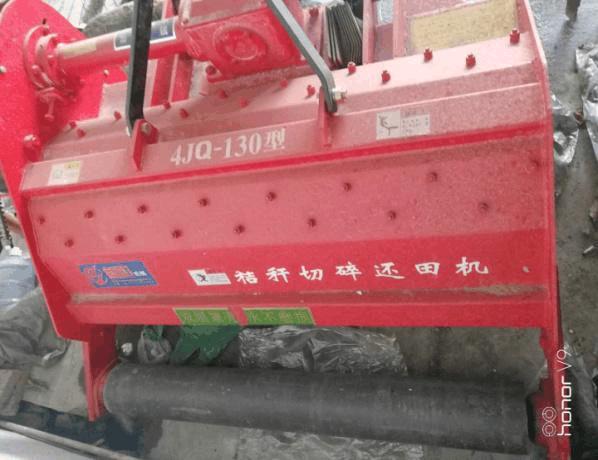
High-efficiency Cultivation Technique of Two Rounds of Mother Fern Retention and Three Harvests of Spears for Asparagus in Pinghu, Zhejiang
High-efficiency Cultivation Technique of Two Rounds of Mother Fern Retention and Three Harvests of Spears for Asparagus in Pinghu, Zhejiang Fund projects: National Bulk Vegetable Industry Technology System Project (CARS-25), Key Laboratory of Horticultural Crop Biology and Germplasm Creation, Ministry of Agriculture. Pinghu City is located in the Hangjiahu...
-

Master a variety of soft furnishing techniques to make home life warmer and more comfortable
NO.1 Bright-colored walls. Choose bright-colored walls to make your home look bigger. NO.2 Same color palette. Use colors from the same palette, letting different pieces of furniture echo one another and reducing visual oppression. NO.3 Mirrors. The reflective feel of mirrors...
-
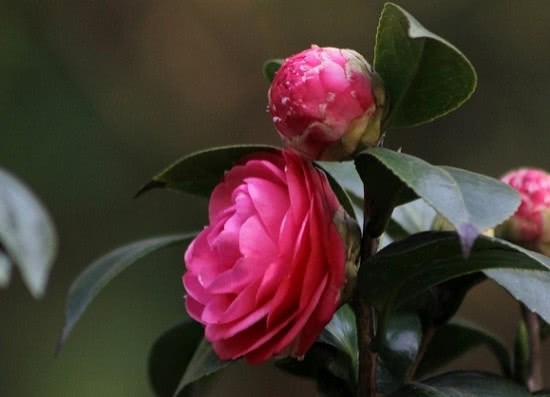
How Do You Graft Camellias? A Step-by-Step Detailed Guide to Camellia Grafting Techniques
Many beginner flower growers want to know how camellias are grafted. Here, Guzhujun has put together a detailed illustrated guide to camellia grafting so you have a reference when grafting your own camellias. The rootstock commonly used for grafting camellias is the oil tea tree (Camellia oleifera),...
-
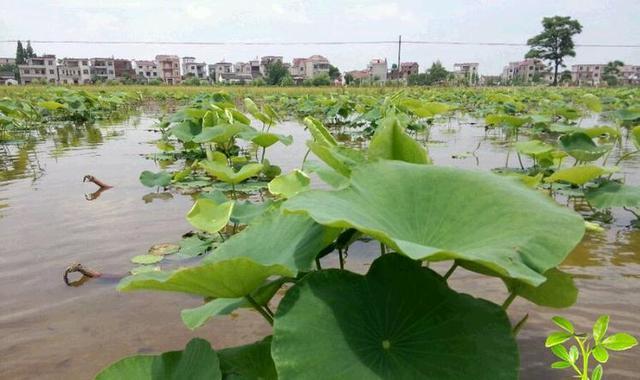
Main Cultivated Varieties and High-Yield Cultivation Techniques of Lotus Root in Quzhou City, Zhejiang Province
Main Cultivated Varieties and High-Yield Cultivation Techniques of Lotus Root in Quzhou City, Zhejiang Province. Project source: Zhejiang Province "Three Rural Six-Party" Science and Technology Collaboration Program project "Research on High-Yield Cultivation Techniques of Selenium-Enriched Lotus Seeds." Lotus root is one of the main aquatic vegetables in Quzhou City, and for a long time...
-
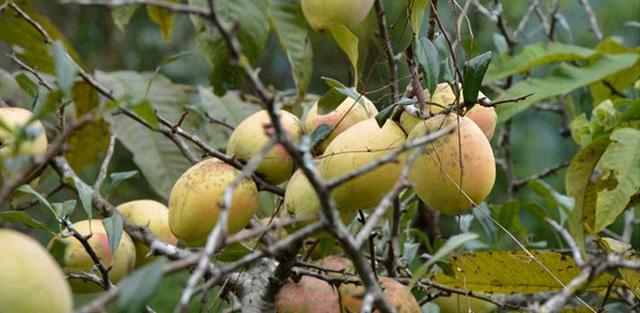
Detailed Explanation of High-Yield Cultivation Techniques for Chaenomeles speciosa (Wild Flowering Quince) in Zheng'an County
High-Yield Cultivation Techniques for Chaenomeles speciosa in Zheng'an County From a cultivation standpoint, Chaenomeles speciosa has strong adaptability and does not have strict requirements for the growing environment, but its artificial cultivation activities are mostly carried out in southern China. 1 ...
-
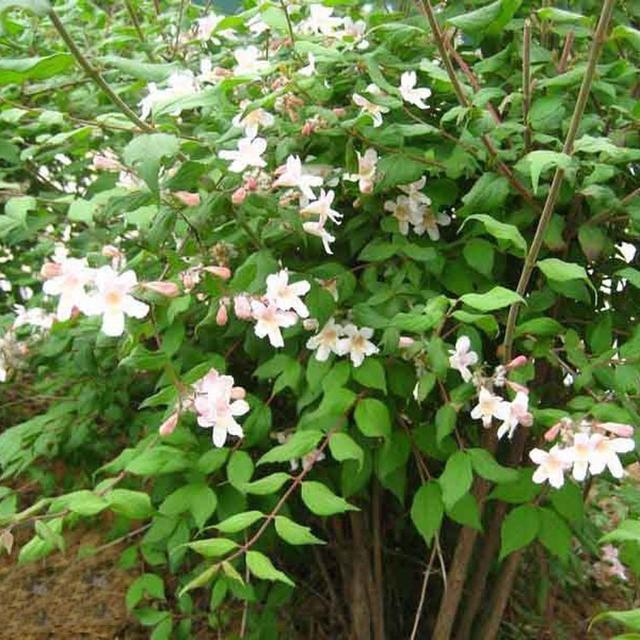
Cultivation Techniques for Beautybush: Propagation and Pest and Disease Control of a Rare Flowering Shrub
Propagation Methods and Pest and Disease Control Cultivation Techniques for the Rare Flowering Shrub Beautybush 1 Biological Characteristics 1.1 Morphological Characteristics Beautybush (Kolkwitzia amabilis), a shrub or small tree, can reach a height of up to 3 m; young branches are reddish-brown, and the bark of old branches peels off in thin flakes; leaves are simple, opposite, with short petioles...
-
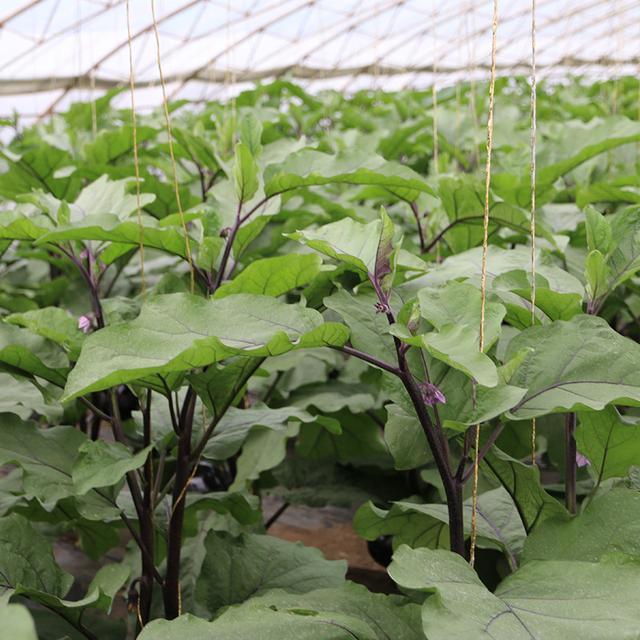
Key Field Management Techniques for Eggplant After Transplanting
Field Management Techniques for Eggplant After Transplanting After the eggplant has been transplanted and recovered from transplanting, it should be cultivated and loosened early. Loose field soil helps raise soil temperature and promote root growth, and generally more than 3 cultivations are needed. Eggplant has a long growth period and high requirements for fertilizer and water. Watering...
-
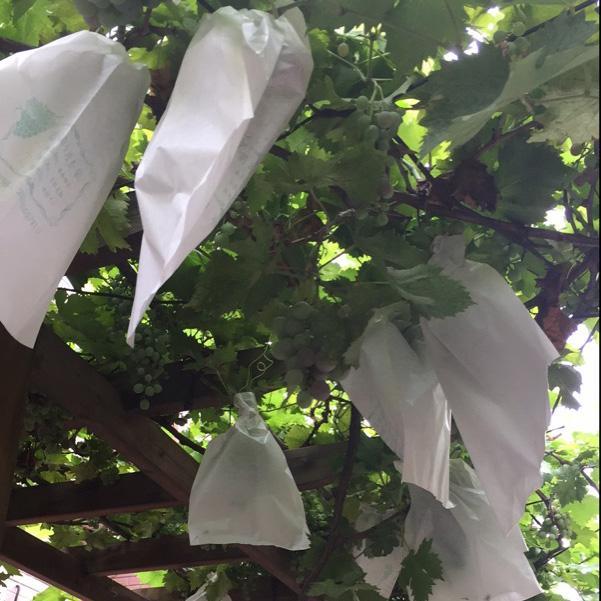
Detailed Explanation of Key Grape Autumn and Spring Management Techniques in the Tangshan Region
Key Grape Autumn and Spring Management Techniques in the Tangshan Region 1 Autumn Fertilization After entering autumn, the occurrence of pests and diseases in fruit trees begins to decrease, and fruit tree management also begins to shift from above the tree to below the tree. Because in autumn, various fruit trees begin to enter the nutrient accumulation and...
-

Key Cultivation Techniques for Cut-Flower Anthurium in Solar Greenhouses
Cultivation Techniques for Cut-Flower Anthurium in Solar Greenhouses. Anthurium is native to the tropical rainforests of South America, and its unique flower shape and rich colors make it deeply loved by people. China began introducing cut-flower anthurium in the late 1970s, and it is now mainly concentrated in Shanghai, Yunnan...
-
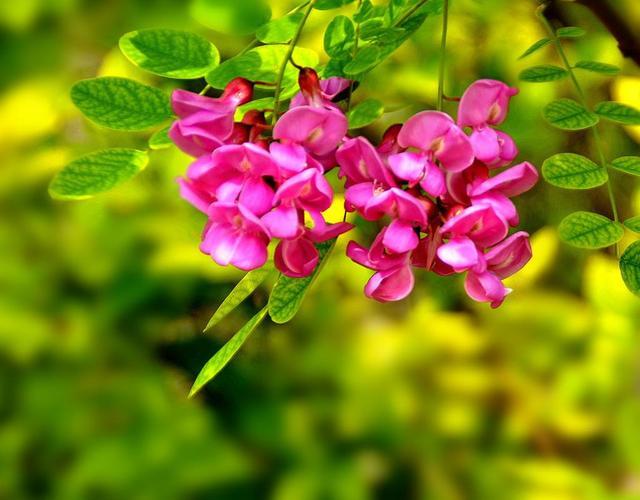
Cultivation Techniques for Sophora japonica var. violacea: Propagation Methods and Pest and Disease Control
Cultivation Techniques for Propagation and Pest and Disease Control of Sophora japonica var. violacea 1 Biological Characteristics Sophora japonica var. violacea belongs to the Papilionoideae, Fabaceae, a tree species with a height of 10-12 m, a straight and upright trunk, sparse branches and long internodes, and grayish-brown to brown bark. Leaves are alternate, 17-19 in number, pinnately compound...
条件筛选