-

Application Methods of Imazalil in Grape Cultivation
Imazalil is a systemic fungicide that can be applied as a spray and also used to dip fruit to prevent rot, so what is the application of imazalil on grapes? 1. What is the application of imazalil on grapes? The application of imazalil on grapes is fruit dipping for fresh-keeping. Within a certain concentration range
-
What are the characteristics of nicosulfuron and atrazine? A detailed explanation of the traits of cornfield herbicides
Nicosulfuron and atrazine is a systemic selective pre-emergence and post-emergence soil-sealing herbicide. It is absorbed mainly through the roots, with very little absorption through stems and leaves. Its herbicidal action and selectivity are the same as those of simazine. It is easily leached by rainwater into deeper soil layers and is also effective against some deep-rooted weeds, but it readily causes phytotoxicity. The residual period
-
Which weeds can atrazine herbicide kill
Atrazine is a systemic selective pre-emergence and post-emergence soil-sealing herbicide, mainly absorbed by the roots of weeds, and after rain it can reach deeper soil layers. So, what weeds does atrazine kill? 1. What weeds does atrazine kill? It has a fairly broad weed-killing spectrum and can control many annual grasses
-
What is the difference between glyphosate and paraquat?
Glyphosate is a systemic, translocated see below non-selective broad-spectrum herbicide that can basically kill all weeds, killing the roots, but it takes effect relatively slowly, taking 3 to 5 days, and is low in toxicity and highly effective. Paraquat is a contact-type broad-spectrum herbicide that acts quickly, but it cannot kill the roots; it can only kill the stems and leaves above the soil surface,
-

The difference between contact insecticides and systemic insecticides
Contact insecticides and systemic insecticides
-
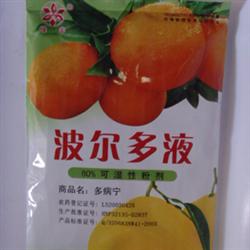
Correct methods for using non-systemic fungicides
How are non-systemic fungicides used? Please give an introduction. The following introduces how to use the non-systemic fungicide Bordeaux mixture: Bordeaux mixture is a sky-blue viscous suspension made from copper sulfate, quicklime and water. It is alkaline and corrosive to metals. It is a non-systemic protective inorganic fungicide, ...
-
What does systemic insecticide mean? Read this article to understand
Plant hormones, also called plant growth regulators, are neither pesticides nor fertilizers. Their main function is to coordinate the vegetative growth and reproductive growth of plants. For vegetables, this means regulating them reasonably according to people's requirements for vegetable yield, maturity period and quality, producing high-yield, high-quality vegetables and improving their...
-
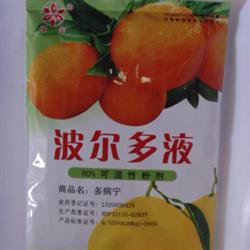
What is a non-systemic fungicide? This article gives you a detailed introduction
What is a non-systemic fungicide? Please explain. The Bordeaux mixture commonly used is a sky-blue viscous suspension prepared from copper sulfate, quicklime and water. It is alkaline and corrosive to metals. It is a non-systemic protective inorganic fungicide, and its active ingredient is basic copper sulfate. After the crop is sprayed, ...
-
How can the harm of post-weaning multi-systemic wasting syndrome in pigs be effectively reduced?
How can the harm of post-weaning multi-systemic wasting syndrome in pigs be reduced?
-
Detailed Explanation of Post-weaning Multisystemic Wasting Syndrome in Pigs (Part Two)
4 Prevention and Control PCV2 is highly resistant to inactivation by many detergents and disinfectants, and the effect of medication is limited. Therefore, it is crucial for pig farms to take measures such as changing rearing techniques, improving hygiene conditions, and reducing stress at different stages, in order to lower the "infection pressure" (including PCV2 and any other pathogens). 4.1 Farrowing Period 4.1.1 All-in/all-out, with thorough cleaning and disinfection between two batches of pigs. 4.1.2 Wash sows and deworm them before farrowing;
条件筛选