To master bonsai, you need to grasp these bonsai styling techniques
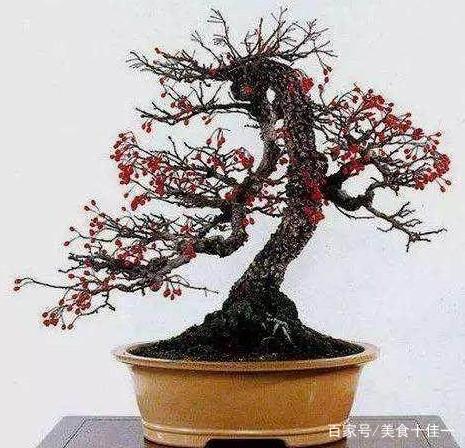
Xiao Bian believes the most essential skill in bonsai is planting, followed by pruning, wiring, root lifting, grafting, carving, and so on.
First, planting. Planting trees in pots is the prerequisite for building tree bonsai. And how to plant bonsai directly determines the overall appearance of the bonsai. Planting, slanting, transplanting, replanting, inverted (cascade), planting (forest type, landscape type, rock-attached), crop (root type, root type), potting, potted potting, potted potting, round potted plants and potted O. Police and potted plants. Precise planting is the foundation of trees and bonsai. We must learn to control planting, cultivate strengths and avoid weaknesses, and display their unique and most admired aspects.
Second, pruning. Pruning bonsai is for trimming and cutting branches, pruning roots, removing buds, shoots, pinching, picking leaves, topping and carving. Pruning can regulate tree growth, promote side branch growth, accelerate tree cultivation, and achieve "contraction".
Third. Control climbing materials and tools such as wire, palm rope, linen, and pruners.
Fourth. Titanium roots. Traditional Chinese bonsai pays special attention to hanging roots; before planting, the roots are good, good, and tied, then planted into a deep pot, and each year the upper shallow layer of soil is removed, step by step, until reaching the expected position.
Fifth. Grafting. In the construction of bonsai, grafting can be used to form branches, change seeds, and transfer flowers. For example, directly attach fruit tree bonsai to flowering branches and let them bloom anytime, anywhere.
Sixth. Carving with hand tools such as knives, axes, hammers, stones, nails, chisels, electric drills and other tools, blocking the trunk and branches to imitate scars, tree burls, ant holes, insect holes, broken branches and deadwood (Shichi) found in nature. Let the bonsai display an ancient and majestic ancient Greek spirit.