Too-hard potting soil stunting your flowers? Repotting can solve it
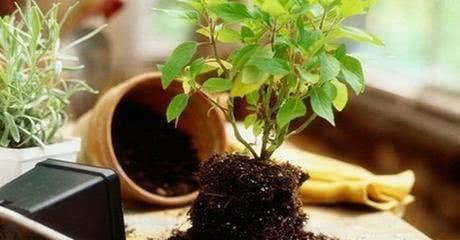
Once autumn arrives, the weather turns cool. At this time many gardening friends start "fiddling around." Those who want their plants to grow more lushly take cuttings, those who want their plants to become one-of-a-kind and unusual graft them. And then there are those who feel their plants have been growing for a year or two and want to change their potting soil.
Autumn really is a good season for repotting. Today Huahua will explain in detail the key points to pay attention to when repotting, so that friends who want to repot their flowers have some idea of what to do.
Pay attention to the plant's condition
When repotting, of course you also need to pay attention to the plant's condition. For example, if the flower you want to repot is currently in its peak blooming period, such a flowering plant is not suitable for repotting or changing soil; during the flowering period the plant is growing vigorously and is precisely at the time when it needs nutrients. Repotting at this time may affect the plant's flowering results and growth rate, so repotting is not suitable for plants that are flowering or fruiting.
So what kind of plant is suitable? If autumn has arrived and the flowering period has already passed, this kind of flower is suitable for repotting, so find a time with a suitable temperature and repot it quickly!
Repotting notes
1. Handling the flower pot
A flower pot bought from the market cannot be used directly for the plant; first soak the pot for a day, scrub it thoroughly and let it dry, and then use it. Doing this can remove dryness and alkalinity. Some friends also use flower pots that were left idle after previously growing other flowers; before using such pots, remember to disinfect and sterilize them to prevent them from carrying pathogens or insect eggs that could harm the new plant.
2. The bottom of the flower pot
Before repotting, there is also a lot to know about the bottom of the flower pot. Cover the drainage hole at the bottom of the pot with one or two pieces of broken tile, but leave a certain gap, so that later when watering, if there is too much water, it can drain out effectively. This simply and effectively solves the problem of air permeability and prevents water accumulation from waterlogging the roots.
3. Choose the right flower pot
Choosing the right flower pot means do not put a small plant into a big pot, and do not give a big plant a "small home." If the size of the plant's pot does not match the plant itself, it is very unfavorable for the plant's growth and may even affect the plant's normal growth; at the same time, the plant will show certain problems, such as growing too slowly, not blooming, and so on.
4. Transplanting the flower
To transplant the plant correctly, when repotting place the plant in the exact center of the pot, hold it upright, then slowly add nutrient soil around the plant; when patting the nutrient soil, press it down gently so that the plant and soil are tightly combined. It is about enough when the soil is 2-3 cm from the flower pot. After planting the plant, put it in a cool place for half a month, and after observing that the plant has recovered its vitality, then put the plant in a place where it can get sunlight.
You never imagined repotting required paying attention to so many things, right? It's all right, Huahua has told you everything! Next time you repot, it will be much more convenient!