-

How to prevent and control plant powdery mildew? What are the specific effective drugs?
Powdery mildew mainly damages the leaves of crops, and also damages stems and ears. It can occur from the seedling stage to the heading stage. Yellow small spots first appear on the leaves, then expand into round or oval lesions, with a white powdery mold layer on the surface. It is caused by Blumeria graminis and mainly damages wheat, barley, rye, oats, etc.
-
How to prevent and control gray mold in plants? What specific pesticides are available?
Gray mold is a fungal disease that is common in open-field and protected cultivation crops and is relatively difficult to control. It is a low-temperature and high-humidity type of disease. The growth temperature of the pathogen is 20 to 30°C. When the temperature is 20 to 25°C and the humidity remains above 90%, it is a high-incidence period for the disease. It is caused by infection with Botrytis cinerea.
-
What are the specific fungicides for strawberry gray mold? Symptoms of damage and control methods
Strawberry gray mold occurs in all strawberry-growing regions of China, and the disease has gradually worsened since the 1970s, especially in the south where the fruit-picking period coincides with the spring rain season, making the disease even more severe. It often causes a diseased fruit rate of around 30% in susceptible varieties with fruit rot, and in severe cases it can reach over 60%
-
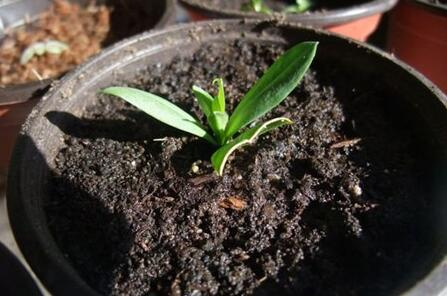
Detailed explanation of the specific steps for rooting Lisianthus cuttings
1. First use chopsticks or a wooden stick to poke a small hole in the potting soil, insert the cutting, then press the potting soil firm with your hands and water it thoroughly. 2. Cover with plastic film or a transparent lid, and poke a few small holes in it for ventilation. 3. Because Lisianthus likes to grow in places with relatively strong light
-
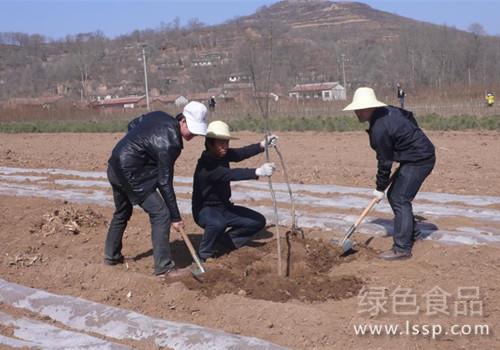
Eight key points for walnut cultivation; only by applying techniques according to the specific conditions can you achieve high yields
Only by applying techniques according to the specific conditions can you achieve high yields. Eight key points to note in walnut cultivation
-
Detailed Explanation of High-Yield Soybean Cultivation Technical Specifications
Soybean is a major oil crop in our province. Developing soybean production is of great significance for improving people's food composition, developing animal husbandry, and improving soil fertility through crop rotation. From the actual situation of our province, soybean production mainly relies on increasing per-unit yield to increase total output. To achieve the target of over 200 kg per mu, it is necessary to liberate soybean from corn fields, because intercropping and mixed cropping of soybean with corn is one of the reasons for the low per-unit yield of soybean in our province, so clean planting of entire fields should be promoted; second, actively promote high-yield cultivation techniques centered on equidistant sowing, with increased application of farmyard manure
-
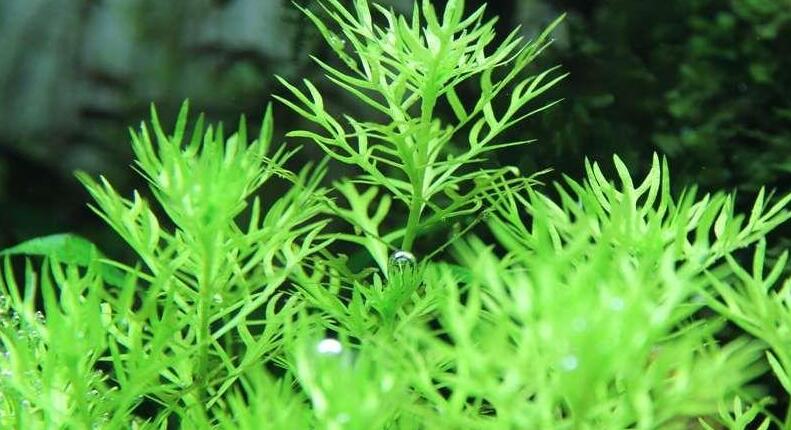
Is snowflake grass easy to grow? Specific planting methods included
Is snowflake grass easy to grow? This is a common question among many readers, so this article has gathered the relevant methods for growing snowflake grass for everyone; those who need it can refer to it
-
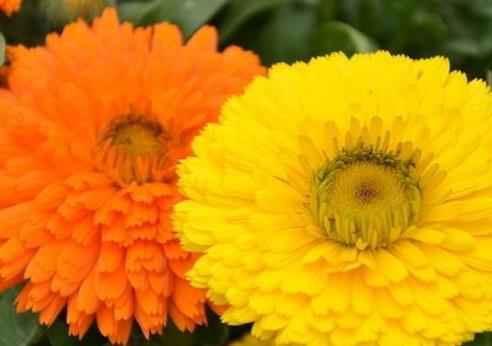
What are the key points for summer and autumn care of potted chrysanthemums and the specific grafting method?
The chrysanthemum is one of China's traditional precious flowers, originating from central China in places such as Henan, with a history of more than 3000 years. There are many varieties of chrysanthemum, currently more than 2000, and the diversity of its flower forms and colors ranks first among flowers. Wu Fuhua, a chrysanthemum expert at Chengbei Park in Shuyang County, Jiangsu Province, has done considerable research on chrysanthemums
-
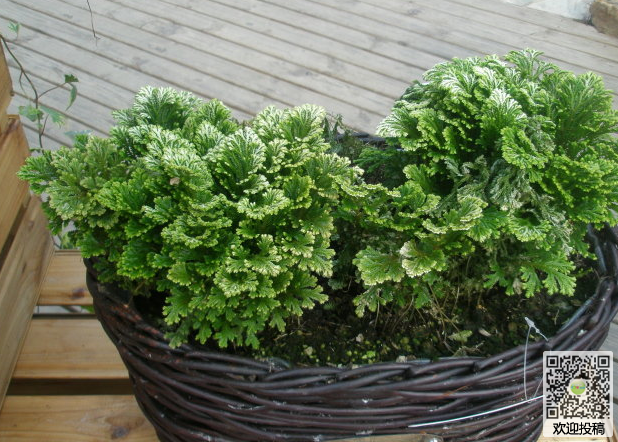
How to make a Selaginella bonsai? A step-by-step guide to the specific method
Selaginella has a beautiful posture and is easy to cultivate. It is potted or placed in bonsai. In gardens it is often used for rockeries and hillside plantings. What should you do to enjoy it as a bonsai? Next, we bring you the bonsai-making method for Selaginella. Let's take a look
-
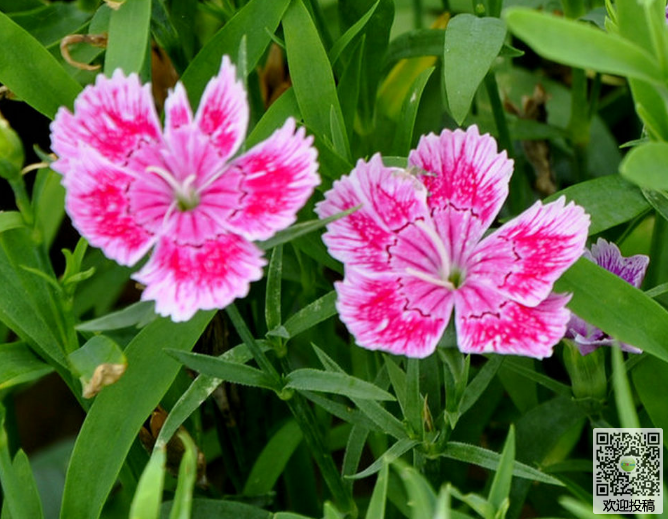
What are the specific care methods for Dianthus before and after flowering?
Dianthus plants are low-growing, with stems resembling bamboo and green leaves. Their natural flowering period is from May to September, from spring to mid-autumn. Grown in pots in a greenhouse, they can bloom in all four seasons and are very beautiful. However, many people are unsure how to maintain them before flowering and what to do after flowering, so here are the care methods for Dianthus before and after flowering. Dianthus preservation methods 1. Moisture retention
条件筛选