How to make a Selaginella bonsai? A step-by-step guide to the specific method
Selaginella has a beautiful posture and is easy to cultivate. It is potted or placed in bonsai. In gardens it is often used for rockeries and hillside plantings. What should you do to enjoy it as a bonsai? Next, we bring you the bonsai-making method for Selaginella. Let's take a look.
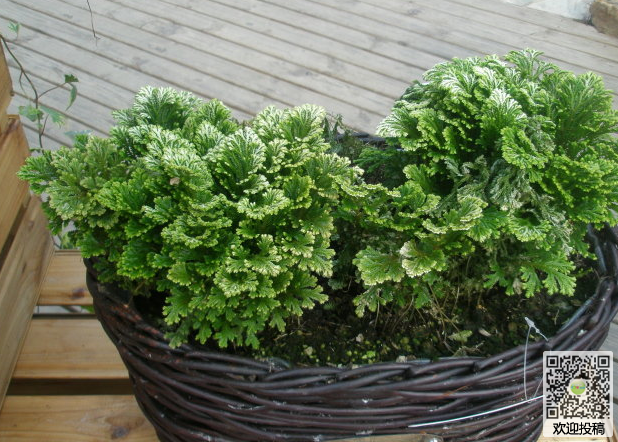
How to make a Selaginella bonsai
Pot selection
For the bonsai, a light purple sand pot or basin should be used, and the basin should be very shallow. If a natural squat pot is used, the effect will be even better.
Terrain treatment for the cedar and cypress
The soil is shaped into two mountains with a valley terrain in the middle. The treatment of the valley should form an irregular S-shaped curve, with the curve winding and twisting, giving a deep sense of mystery. The slope should be both steep and gradual, striving to follow the natural terrain. The variation is rich.
Planting Selaginella
Choose the taller and longest branch of Selaginella as the main landscape tree, plant it on one side of the valley, and the companion tree on the other side should be lower than the main tree, and the auxiliary trees should be slightly lower than the main tree. When planting, pay attention to their relationship with each other and follow the principle of "trees arching together, the main tree receiving respect."
The decorative surface is broad and easy to appreciate. Taller cypress should be chosen at the front, and small trees planted at the back to create a faint perspective effect, thus producing a profound artistic conception.
Moss laying
Because the cypress is very short, it is necessary to choose moss that grows close to the ground. At the same time, the moss should not be too thick, and the varieties should not exceed two, so as to highlight the height of the cypress and ensure the harmony of the whole picture.
Placement of accessories
In order to better set off the level and depth of the grove, under the main tree you can place lying cows, street lamps, houses and other decorations, to create a scene as realistic as possible
Propagation methods for Selaginella
Spore propagation
Generally, select a stem segment with mature sporangia and cut about 1.5 cm from the branch tip, then sprinkle some fine sand on the stem segment to keep the cut moist and prevent water loss. It is placed at a temperature of about 20°C, and about 9 new strains can grow within one month.
Dry propagation
Stem propagation is done by cutting the stems of Selaginella into segments of about 5 cm, keeping the soil moist, and they will grow quickly.
Leaf propagation
Insert the leaves of Selaginella into the soil, water promptly, keep moist, and place it in a semi-shaded state; it will soon root and produce new leaves.
How to care for Selaginella
Soil for Selaginella
Soil with good air permeability is suitable for the growth of the cypress; the soil is usually mixed with 1 part soil and 4 parts fine sand.
Growth temperature for Selaginella
The suitable growth temperature for Selaginella is 20°C. Under conditions of high temperature and lack of water, Selaginella will contract and shrink to reduce water loss. Under conditions of too low temperature, the metabolism of Selaginella weakens and growth is slow. The lower temperature in winter is 0°C. Below 0°C may cause frost damage to the plant.
Water supply for Selaginella
Selaginella has strong drought resistance, and during the growing period it needs a large amount of watering, so keep the soil moist. The plant likes a humid environment; in a high-temperature environment, spray the leaves with warm water. Note that it is not possible to spray with cold water, as this is bad for the leaf cluster.
Fertilization measures for Selaginella
Selaginella has strict requirements for fertilizer supply, and it is very demanding. During the growing season, apply liquid fertilizer at 30% concentration every two weeks. Try not to use solid chemical fertilizers, because they easily cause soil compaction and are not conducive to plant growth.
Placement of Selaginella
Selaginella is suitable for growing in shaded and humid areas, and is better placed in an area with scattered light.
Changing the pot for Selaginella
Cypress cultivation should use shallow pots, because extracting the root system under water-deficient conditions helps reduce water use. Spring is a good time to change the pot every spring. If you do not need to change the pot, you should use fresh soil to turn the pot.
Uses of Selaginella
Medicinal value
Taste of Selaginella
Selaginella, warm, sweet, slightly cold.
Coleus medicinal preparation
Boil the cypress in salt water for more than 8 hours, then boil it in well water for 8 hours, dry and roast it, and grind the cypress into a dry powder.
Main functions of Selaginella
People burn the whole plant into ash, which can be used for anti-inflammatory and hemostatic purposes. It has therapeutic effects on stomach pain, numbness of hands and feet, cough and other symptoms. After crushing the cypress, grind it and mix it with vegetable oil and apply it to wounds to heal knife cuts. According to medical records, when a pregnant woman has difficulty giving birth, the cypress is held in the mouth, and the plant's juice is chewed and swallowed.
Anti-cancer effects of Selaginella
Selaginella has therapeutic effects on tumors sensitive to chemical anti-cancer agents. The hot water extract of Selaginella has a certain inhibitory effect on mouse sarcoma and mouse Ehrlich ascites carcinoma, and can prolong the lifespan of animals with transplanted tumors. Clinical practice shows that Selaginella extract has a better inhibitory effect on smaller tumors.
Beauty effects
After blending crushed cedar powder with egg white, a homemade mask is obtained; long-term use can remove acne and whiten the skin, making the face smooth.
Ornamental effect
Selaginella has scaly branches around its periphery, close to the trunk. The overall appearance is very ancient, but in sharp contrast, the branches of Selaginella are green and verdant, much like pine-needle-like leaves, and from a distance on a slope it looks like a small pine forest, very lovely.