-
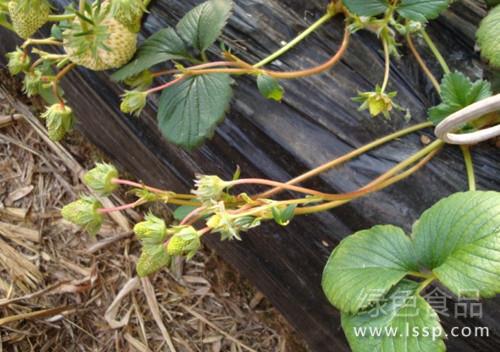
Strawberries show signs of fatigue after long-term continuous fruiting; how to prevent premature aging of the plants
How to prevent premature aging of strawberry plants that show fatigue after long-term continuous fruiting
-
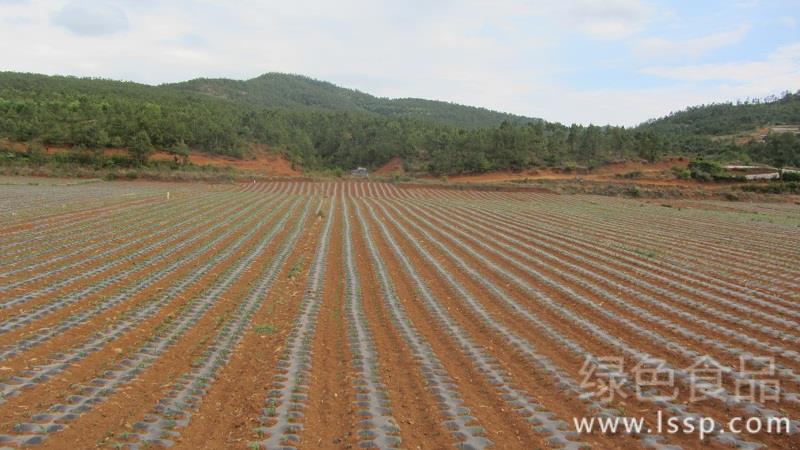
The rainwater-harvesting cultivation technique of breaking the film at the planting pockets for corn shows remarkable yield-increasing effects
The rainwater-harvesting cultivation technique of breaking the film at the planting pockets for corn shows remarkable yield-increasing effects
-
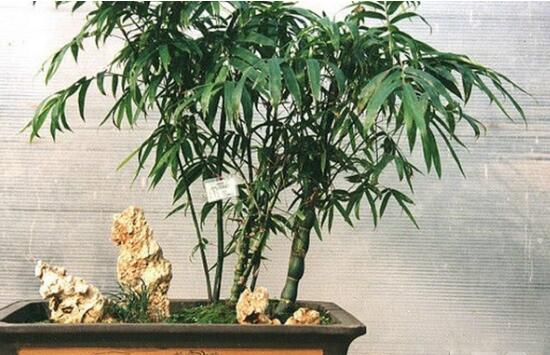
How to make and care for a Buddha belly bamboo bonsai? Planting 5 stems in one pot fully shows natural charm
Buddha belly bamboo (Bambusa ventricosa) is a plant with a peculiar form. It differs from ordinary bamboo in that its nodes are rather thin, and the internodes are short and swollen, resembling the belly of Maitreya Buddha, or stacked arhats, so it is also called arhat bamboo. In daily life, Buddha belly bamboo is often made into bonsai and kept indoors, so how do you make and care for a Buddha belly bamboo bonsai?
-
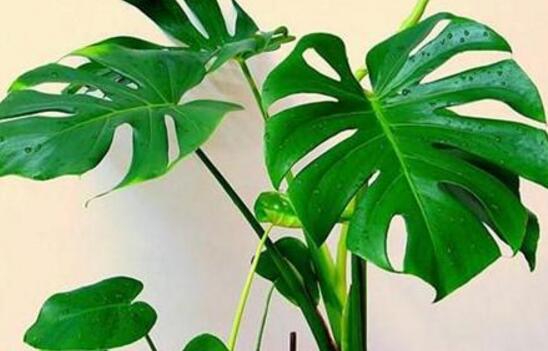
How to Propagate Monstera deliciosa? Division Is the Fastest to Show Results
Among foliage plants, Monstera deliciosa is a well-deserved star, so many people want to propagate it after growing it for a while. So how should Monstera deliciosa be propagated in a more scientific way? Today we will learn about the main propagation methods for Monstera deliciosa. How to propagate Monstera deliciosa varies slightly depending on the season and climate conditions.
-
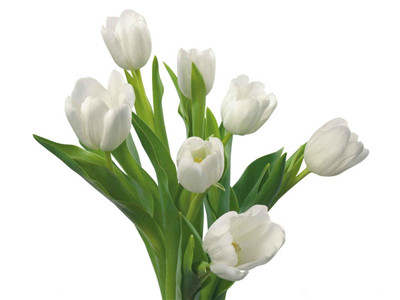
What causes tulip petals to show different colors?
When cultivating tulips, sometimes the petal colors are not pure, showing color variations of different shades. This happens because the tulips have contracted color-breaking petal disease. Tulip color-breaking petal disease is a viral disease that has a major impact on tulips, reducing the value of cut flowers, and
-

Cotton shows disease symptoms, integrated control with multiple measures
Symptom identification of cotton Fusarium wilt and Verticillium wilt. Cotton Fusarium wilt can occur throughout the entire growth and development period of cotton, but it occurs more severely at the seedling stage. If favorable conditions occur, it can also break out heavily at the adult plant stage. Sudden wilt type: leaves suddenly lose water, droop and wilt, leaf color is dark green, leaves become soft and thin, the whole plant dries green and dies, but leaves generally do not fall off, and petioles bend. Yellowing type: can occur at both the seedling stage and the adult plant stage. The yellowing type mostly starts from the leaf margins, with part or all of the leaf turning yellow, and finally the leaf dies or falls off, while the petiole
-
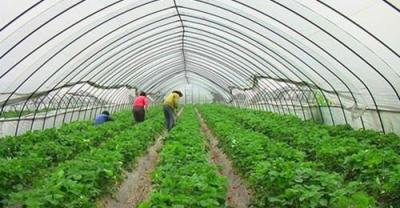
When cucumbers show "gourd-topping," why is this grower overjoyed?
Wang grows more than two mu of cucumbers this year, and this year he is growing greenhouse cucumbers. Previously, because Wang had grown five or six mu of open-field cucumbers, he felt...
-

Zhengzhou-grown Hami melons leave Xinjiang Hami melons with no face to show?
Chan Xiaomei made several visits to the Hami melon planting base of the Zhengzhou Melon and Fruit Research Institute of the Chinese Academy of Sciences in Zhangzhuang, Dawei Town, Xinmi, Henan. After more than half a year of tracking and...
-
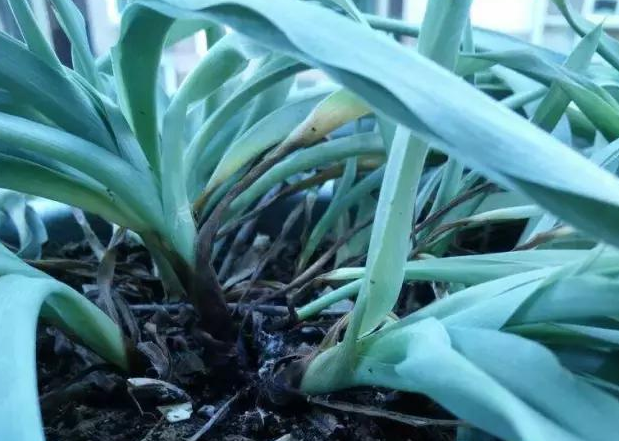
Don't Throw Away Spider Plant Leaves That Have Turned Yellow and Withered - Let Me Show You How to Easily Revive It
First, you need to understand the plant habits of the spider plant: spider plants (Chlorophytum comosum) like warmth and humidity, cannot tolerate severe cold, and should be kept away from direct blazing sun and dry winds. They can be grown indoors long-term. Their leaves grow in clusters resembling flowers and stay green year-round, making them a fairly well-known foliage plant, often called the "aerial flower." Next, you need to know why spider plant leaves turn yellow
-
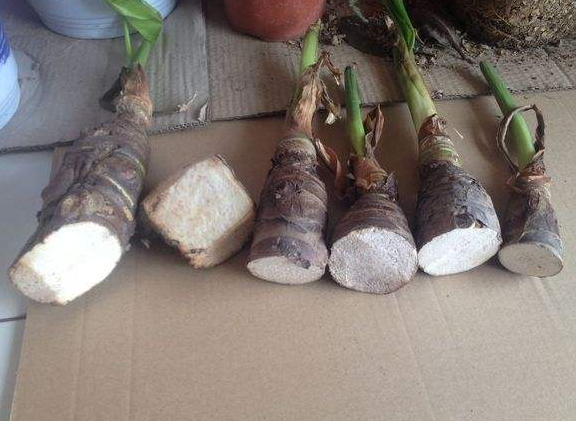
What to Do If Your Alocasia macrorrhizos (Giant Taro) Has Root Rot? I'll Show You the Right Way to Handle It
Alocasia macrorrhizos is prone to root rot in summer, mainly caused by soil that is too wet. Pull the plant up, cut off the rotten roots, and wear rubber gloves while cutting the roots (Alocasia macrorrhizos is toxic! Those with skin allergies should be careful.), and cut away a little of the healthy tissue near the rotted part
条件筛选