Don't Throw Away Spider Plant Leaves That Have Turned Yellow and Withered - Let Me Show You How to Easily Revive It
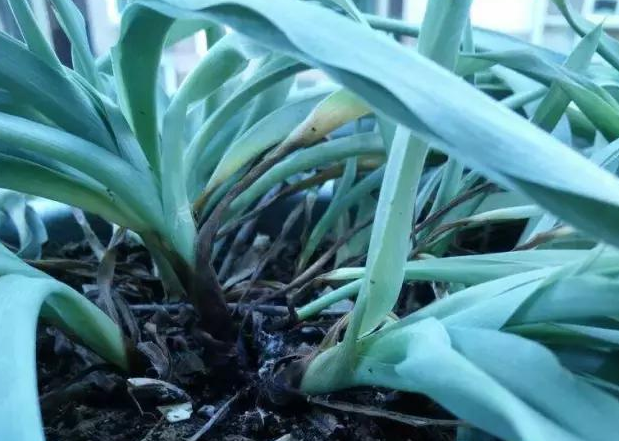
First, you need to understand the plant habits of the spider plant: spider plants like warmth and humidity, cannot tolerate severe cold, and should be kept away from direct blazing sun and dry winds. They can be grown indoors long-term. Their leaves grow in clusters resembling flowers and stay green year-round, making them a fairly well-known foliage plant, often called the "aerial flower."
Next, you need to know why spider plant leaves turn yellow?
1. Over-fertilizing, exceeding what the plant needs. After fertilizing, the leaves will look glossy and uneven, and later, after part of the root system rots, the leaves turn yellow due to nutrient deficiency. So at this point you should stop fertilizing, water more, or rinse the root system once in a basin, and replacing the soil is also a good option. Clearly, the concentration of the soil solution matters a great deal.
2. Not turning the soil for a long time, so the soil becomes compacted, and after all the nutrient elements in the pot are used up. The most important three elements, nitrogen, phosphorus and potassium, become deficient, causing the leaves to gradually turn yellow. At this point you should replace the soil or promptly switch to fertile loam and water with alum fertilizer water.
3. Spider plants are a semi-shade type of flowering plant, but they still need light, so you should ensure at least 4-5 hours of light each day. Otherwise chlorophyll decreases and the leaves will also turn yellow. The best approach is to place it under an indoor incandescent lamp or keep it on a balcony.
Finally, solve the problem of spider plant leaves turning yellow according to the situation!
1. Spider plant leaves turning yellow may be caused by too much fertilizer, exceeding what the plant needs. At first the leaves are glossy and uneven, then the root system rots and the leaves turn yellow. You should stop fertilizing, water generously with clean water, or repot to clean the roots and replace the soil with new soil.
2. Spider plant leaves turning yellow may also be caused by not repotting and changing the soil for a long time. The various nutrient elements contained in the potting soil have been exhausted, and the three key elements, nitrogen, phosphorus and potassium, have not been replenished in time. The plant lacks nutrients, and the leaves appear yellow and thin. You should promptly switch to fertile loam and water with alum fertilizer water.
3. Spider plant leaves turning yellow may also be caused by insufficient light. Although spider plants are a semi-shade flowering plant, they still need at least four hours of diffused light per day, otherwise chlorophyll decreases and the leaves turn yellow.
4. Poor air permeability and water permeability of the potting soil leads to long-term waterlogging in the pot that does not dry out, making it difficult for the root system to breathe, so the leaves naturally turn yellow. At this point you should loosen the soil in time and control the moisture.
5. Temperature: spider plants like warm weather and are suited to growing at around 20 degrees. In winter, pay attention to cold protection and move them indoors. Never place them in a windy spot by a window, to avoid freezing damage to the leaves. If the temperature is too low, spider plants will stop growing, and if it drops below 5 degrees, freezing damage may occur.
6. Pest and disease prevention: spider plants sometimes get some scale insects, whiteflies, and the like. If you find any, remove the pests promptly. When you notice the leaves turning yellow, you should increase watering and fertilizing.
Once gardening friends understand these things, they can grow the spider plants at home very well, green and lush through all four seasons, which is a real mood booster. Next, I'd like to share some practical little items you need when growing flowers, and I hope they can help you too!
We say spider plants are not only beautiful and elegant, but can also purify the air, bringing lovely fresh air indoors, making them especially suitable for potted growing at home or in the office. Generally, placing 1-2 pots of spider plants in a room can kill 80% of harmful substances in the room within 24 hours and absorb 86% of formaldehyde. They can absorb almost all the carbon monoxide and nitrogen dioxide given off by stoves, electrical appliances and plastic products, so spider plants also have the lovely name "green purifier." And once you've learned these growing methods, you will surely grow your spider plants even better!