Zhengzhou-grown Hami melons leave Xinjiang Hami melons with no face to show?
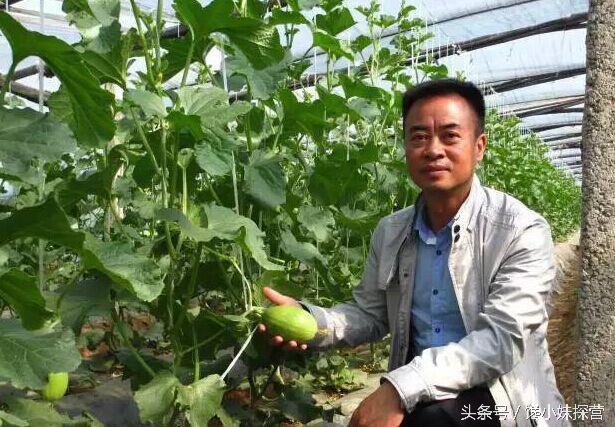
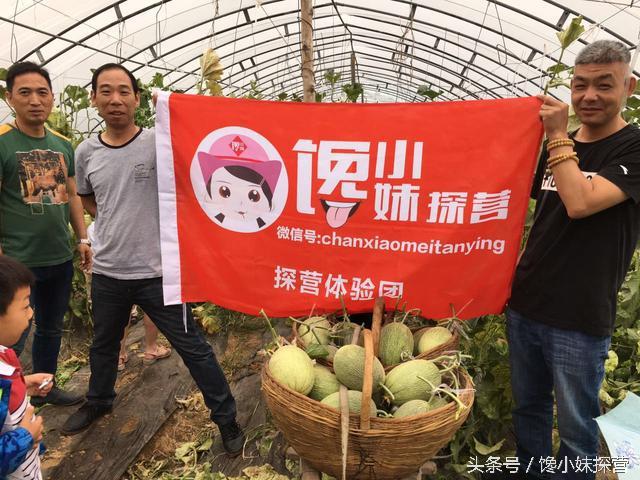
Chan Xiaomei made several visits to the Hami melon planting base of the Zhengzhou Melon and Fruit Research Institute of the Chinese Academy of Sciences in Zhangzhuang, Dawei Town, Xinmi, Henan. After more than half a year of tracking visits and several offline picking events, the Xizhou Mi No. 25 18-degree sweet Hami melon grown in Zhengzhou has indeed won recognition from many Hami melon fans. Even friends from Xinjiang had to admit after tasting it that the 18-degree sweet Hami melon tastes better than melons from elsewhere.

According to Teacher Gu, a doctoral supervisor at the Zhengzhou Melon and Fruit Research Institute of the Chinese Academy of Sciences: Since 2012, Hami melon cultivation has been promoted in Henan; from just a few hundred seedlings at the beginning, to a few mu of land the next year, and now to hundreds of mu, the momentum of development is especially strong, and many enterprises and cooperative cities have joined in. The reason Henan was previously considered very suitable for growing Hami melons is, first, the soil is suitable, as the soil in most places is sandy soil, and second, Henan's climate is very suitable, with strong sunlight in May, high temperatures and large temperature differences. Henan was already a major watermelon province, and growing Hami melons is meant to enrich the variety of melon types.
When talking about how Zhengzhou-grown Hami melons taste even better than the Xinjiang Hami melons sold in Zhengzhou, Teacher Gu said this: By rights, Xinjiang and Gansu are the most suitable places for growing Hami melons, since the climate there is dry with large temperature differences. But everyone should not forget that when Hami melons are transported to our inland areas, if they are transported by truck, it takes at least 5 days or more from harvest to the consumer's hands. At the same time, considering the need for a proper shelf life and avoiding high-temperature damage during transport, the large quantities of melons coming onto the market in Xinjiang dare not be picked after they are fully ripe, unless they are shipped by air. Although Xinjiang has stipulated that the central sugar content must reach 13% before they can be shipped out, in reality it is difficult to supervise. So the Hami melons we grow in Henan are allowed to ripen fully, with an average central sugar content above 15%, and some as high as 20%. Moreover, with short-distance transport, even to surrounding cities such as Shanghai and Beijing, they get there in one night, and the temperature during nighttime transport is also low, which protects the quality of the melons very well.
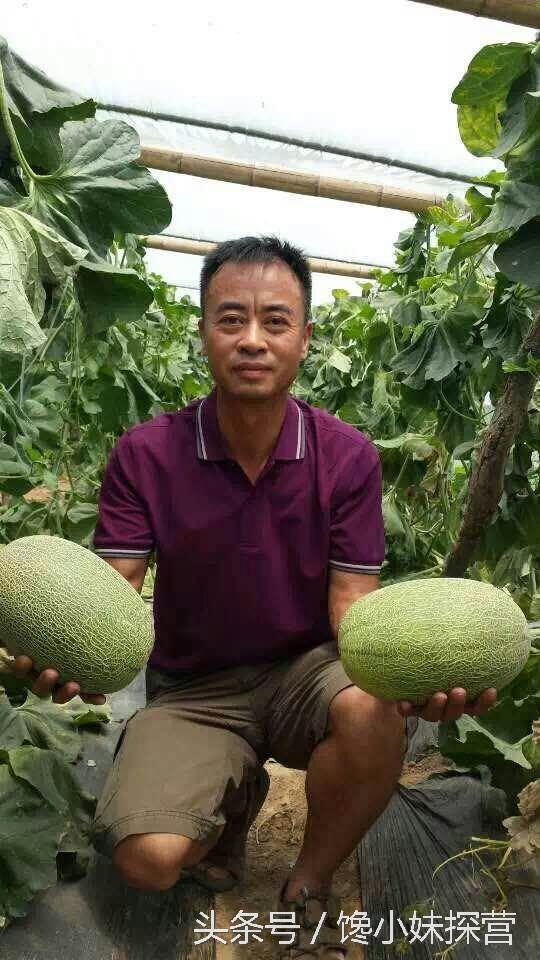
Therefore, in promoting Hami melon cultivation in Henan, we have in fact developed "natural growth, full ripening, short-distance transport" to ensure consumers can eat fresh, crisp and sweet Hami melons. Through several years of practice, this concept of producing high-quality Hami melons has been fully proven correct. Natural growth means returning to traditional agriculture. To ensure full ripening, in addition to judging by eye, we require the base to record the fruit-setting time of each melon, require the fruit to fully develop until ripe, and only after harvesting and measuring the sugar content and taste may it be harvested.
Teacher Gu: Through the Hami melon market consumption surveys we have provided over several years, overall, we Chinese prefer sweet fruit, and this is related to our overall food consumption structure. Westerners prefer fruit with a bit of sourness, yet their desserts and cakes are too sweet. The measurement of the sweetness of watermelons and melons is carried out with specialized instruments. Generally, the sugar content of high-quality watermelons is between 11% and 13%, while melons require 14% or more. Removing the percentage sign and expressing it as 11 to 13 degrees, 14 degrees, and so on is what we usually call the sweetness level.
Teacher Gu: Through several years of experimental practice, we have worked out a complete set of cultivation techniques. By operating according to strict procedures, quality is easy to control. When to plant, when to harvest, planting density, pruning and removing side shoots, water and fertilizer management, and so on are all strictly required. We generally do not want individuals to add too much of their own planting experience; it is somewhat like the process of industrial product manufacturing. At the same time, it is also very different from industrial products, because plants are living organisms. If the Hami melon seedlings are uncomfortable during the growth process, then they will not bear good melons. Therefore, we require base managers to devote all their efforts to care, especially the management of temperature and humidity, which must be controlled by ventilating the greenhouse, and requires opening and closing the greenhouse film every morning and afternoon for control. The temperature difference in the greenhouse during the fruit development period can reach above 15°C, fully ensuring the quality of the Hami melons. In addition, we require the application of farmyard manure and biological fertilizers. All of this is to produce Hami melons of outstanding quality.
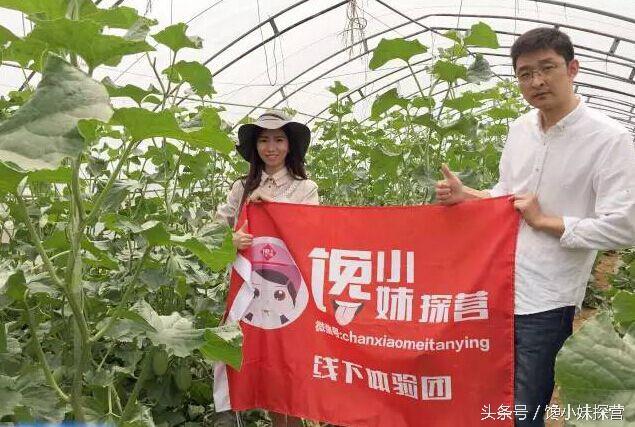
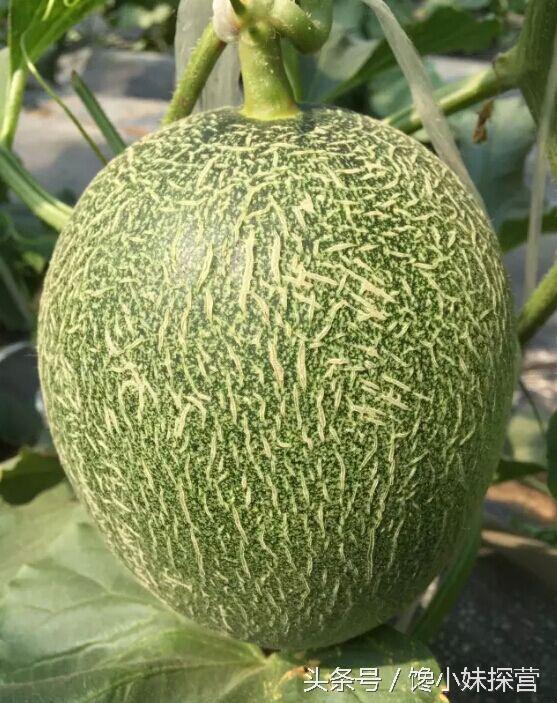
Teacher Gu: From the source of the product to ripening, everything is guaranteed. Seeds are purchased through formal channels, and there is a professional technical team providing guidance from cultivation to planting to ensure the safety of the melons. For example, if the land conditions do not meet the standard, the melon seedlings will die or suffer from pests and diseases; if the mid-stage is not handled well, generally there will be no harvest if there is disease. The reason the 18-degree sweet Hami melon tastes so good is that the core lies in the Hami melon variety. The variety grown here is Xizhou Mi Melon No. 25, the most delicious variety among Hami melon types, known as the "king of melons," formerly the tribute melon from Turpan, Xinjiang! It has high sweetness, thick and fine flesh, and is sweet, fragrant and crisp. Not only is it delicious, but it is also rich in nutrients and high in medicinal value. Search the WeChat public account Chan Xiaomei to join in tasting the sweetest Hami melon.