-
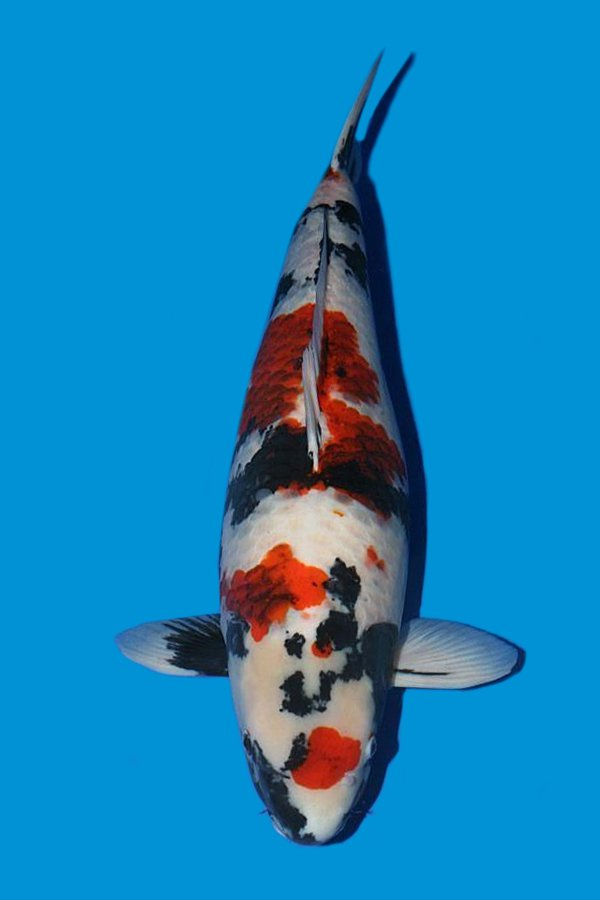
Koromo Showa vs Ginrin Showa Koi: Which Is Better? A Comparative Analysis
Introduction to Koromo Showa Koi As long as different koi varieties are crossbred, distinctive offspring are bound to appear, and Koromo koi is no exception. Koromo Showa is a variety produced by crossing Blue Koromo koi with Showa Sanshoku koi. It is characterized by blue markings appearing on the red patches of the Showa Sanshoku koi....
-
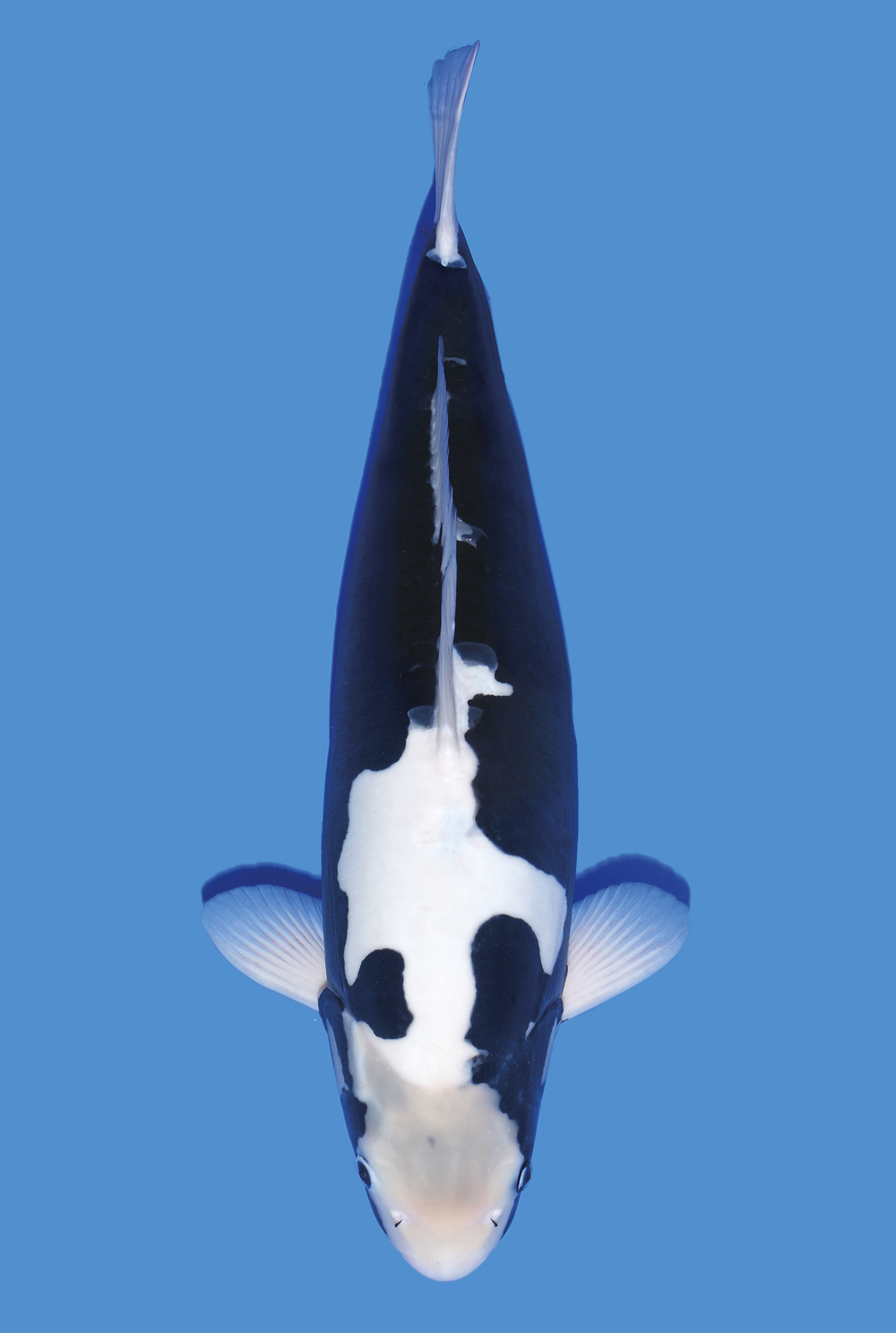
What should you do if the Kumonryu koi shows symptoms of disease?
Introduction to the Kumonryu koi: The Kumonryu koi was once thought to be a variety found only in German carp, but it is actually a by-product of the "Utsuri" koi system, and appears to refer to a variant koi of the Magoi. Its snow-white base is elegant, and the sharply defined edges of its ink-black markings are eye-catching. However, when the ink-black is first emerging...
-
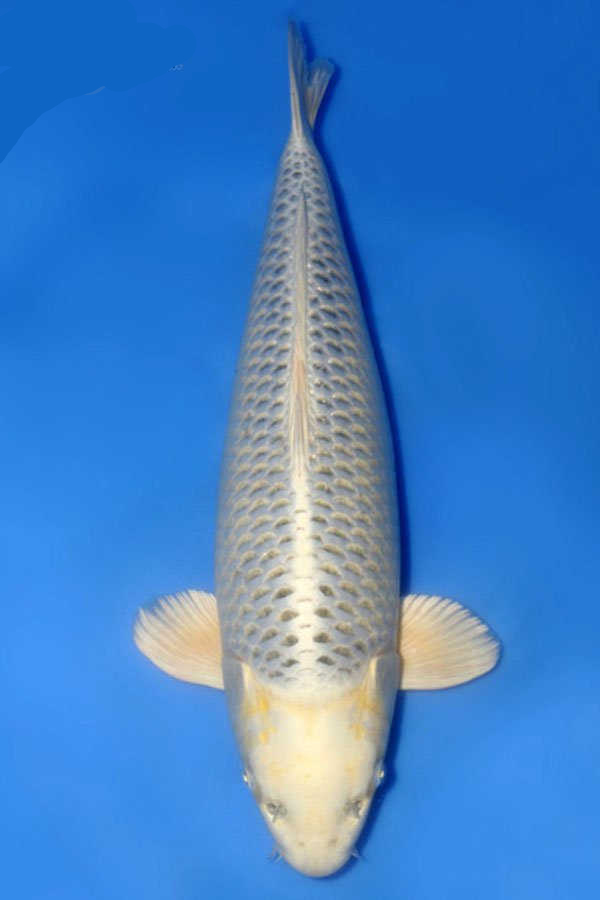
What should you do if the White Pine Needle Koi shows symptoms of disease?
Introducing the White Pine Needle Koi. The White Pine Needle is a type of Pine Needle Koi. Among koi varieties, it is one whose scales take on a pine-needle shape, whose whole body is white, and whose pine-needle-shaped scales each bear black markings. The White Pine Needle Koi, together with the Light Yellow Koi, belongs to the ancient koi varieties...
-
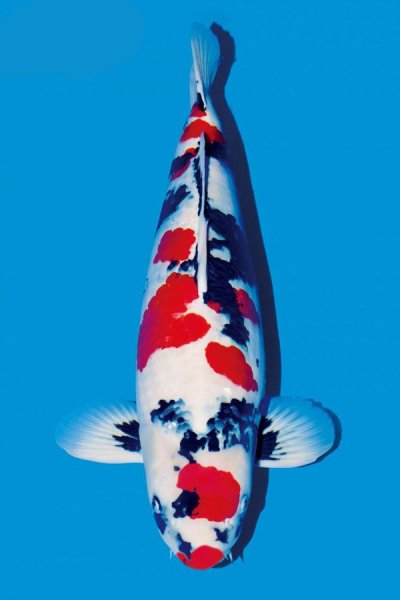
How to Judge the Quality of a Lipstick Showa Sanshoku Koi
Introduction to Lipstick Showa Sanshoku The Lipstick Showa koi has a small, round red patch on the snout of the Showa Sanshoku koi, just like lipstick applied by hand, extremely handsome and cute, and loved by many people. Apart from...
-
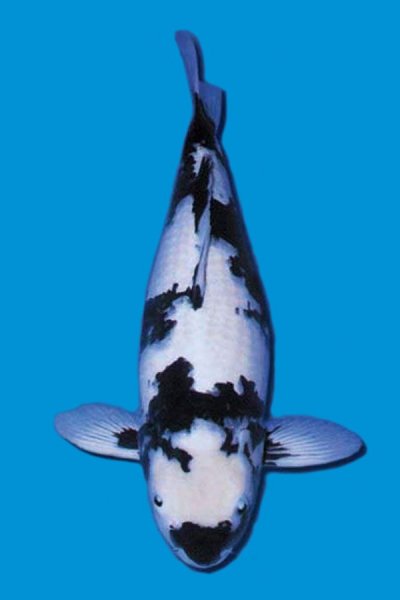
Are German White Show Koi easy to keep? A look at the difficulty of raising them
Introducing the German show koi. The so-called "show" refers to large patches of black markings on a base of a different color, as if ink had been splashed or written on it. Generally speaking, because German show koi are free of the visual interference caused by scales, their colors appear more contrasting...
-
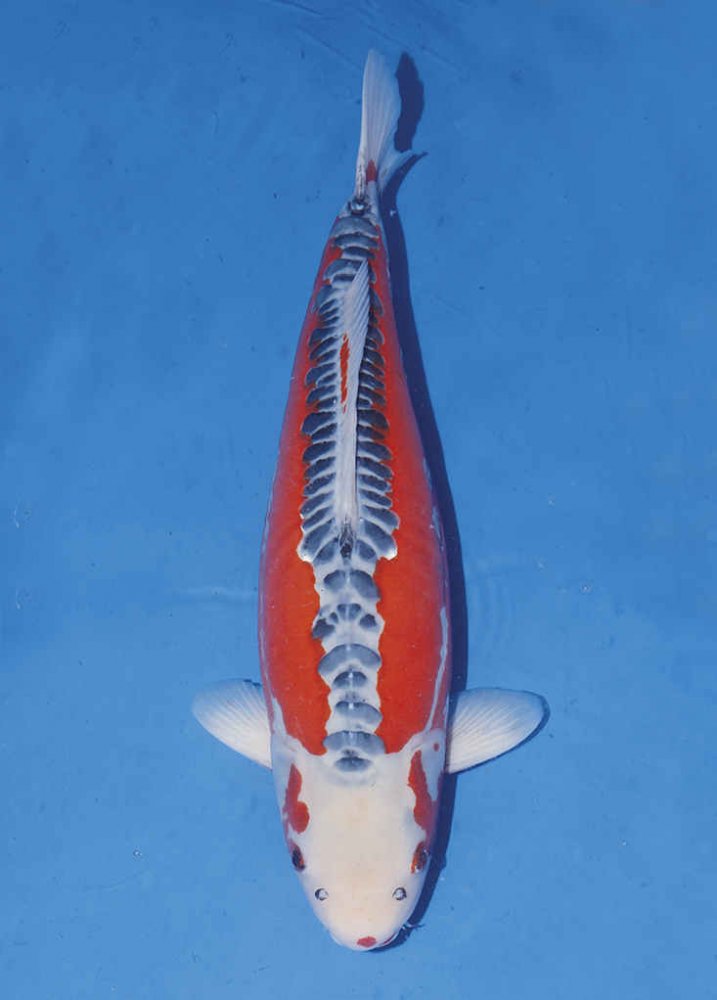
How do you cull Showa Sanshoku koi fry? Learn how to select koi in three minutes
Showa Sanshoku koi fry culling tips: Showa Sanshoku fry should undergo their first selection within 3 ~ 15 days of hatching, and this is very important. The fry that will eventually grow into Showa Sanshoku are gray-black; these gray-black fry grow relatively weakly and are fewer in number, while the others...
-
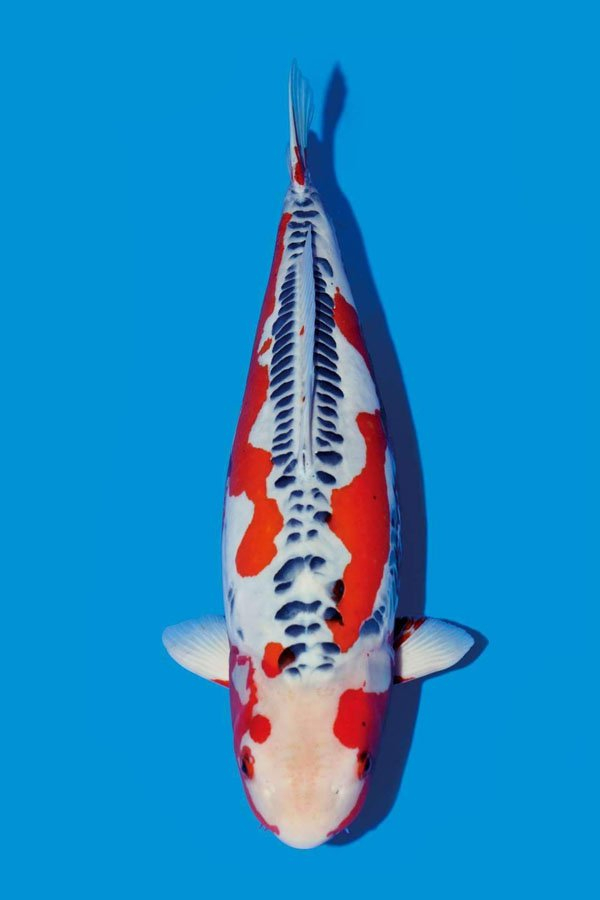
What should you do if Hana Shusui koi show disease symptoms?
Introduction to Hana Shusui koi: The so-called Shusui koi refers to a light yellow koi variety of the German carp lineage. Shusui koi is a hybrid strain, with a single row of closely arranged scales on the fish's back, running from the head all the way to the tail, and another row of scales along the lateral line of the belly...
-
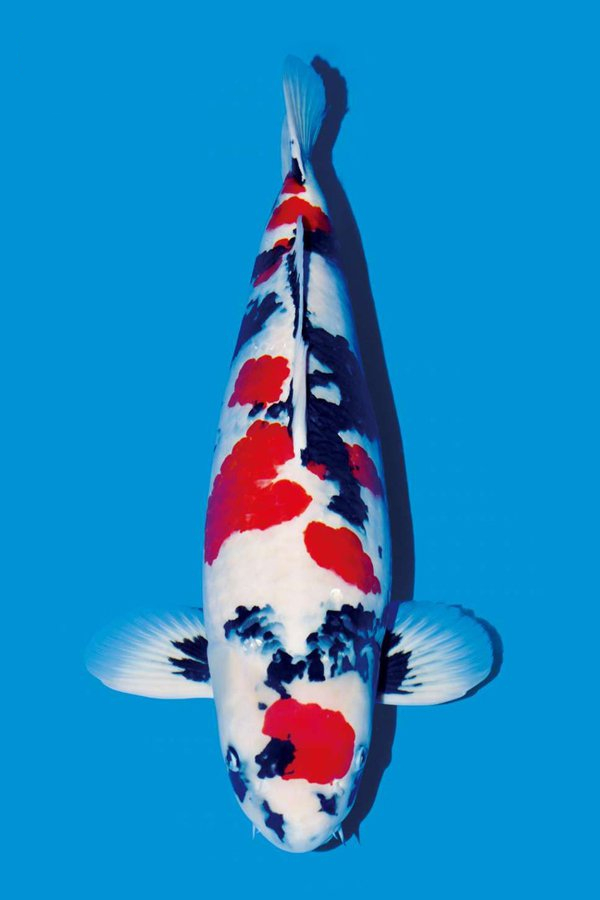
How to judge the quality of a Tancho Showa koi? Master these key points for identification
Introducing the Tancho Showa koi. The Tancho Showa koi refers to a fish whose body markings are composed of the three true colors red, white and black. Black serves as the base pattern, white markings are distributed over all parts of the body and may extend over the head. As for the red, the whole body has only this one spot, unblurred, with no muddy areas, a pure bright red sitting right on top of the koi's head.
-
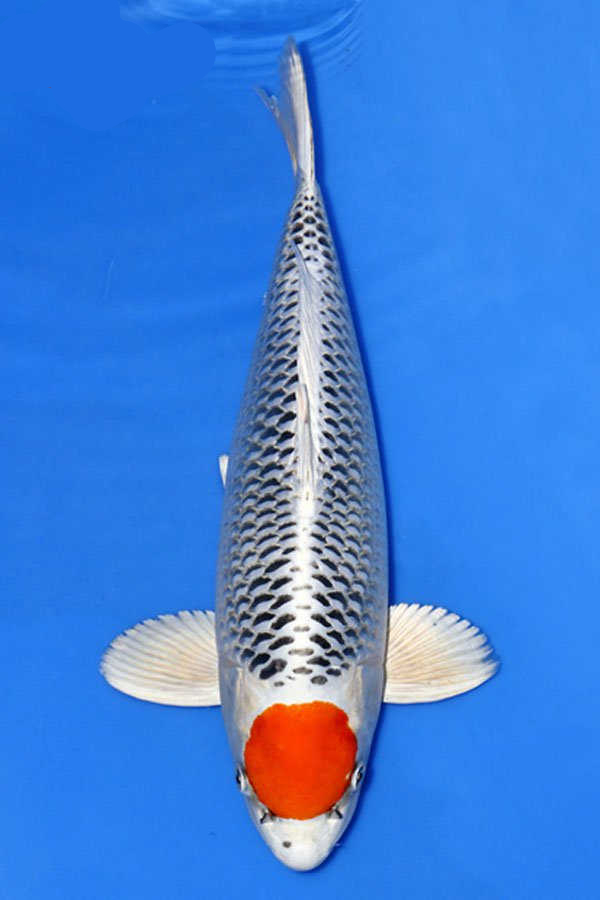
How to Identify Koi Disease Symptoms? All Japan Koi Show Asagi vs. Shusui
All Japan Koi Show: Asagi vs. Shusui Click the blue text "Koi T-Tai" below the title to follow. To thank the long-time followers of "Koi T-Tai," T-Tai plans to launch a large "Point T to Make Koi" fish giveaway event twice a year. Koi T-Tai followers, please stay tuned for...
-
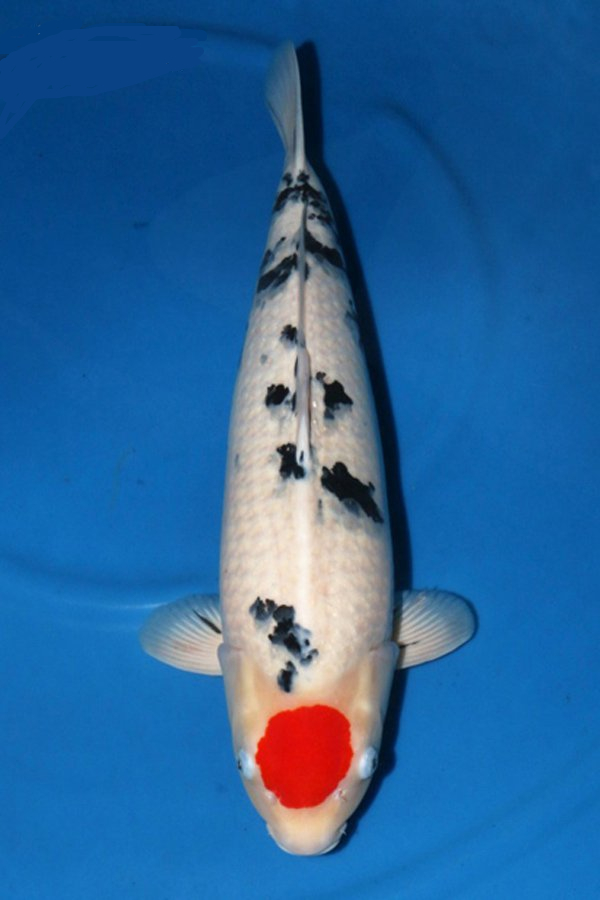
What should I do if a Tancho Sanke koi shows symptoms of illness?
Introduction to Tancho Sanke koi: The Tancho Sanke koi has a body made up of three colors of markings. White is the base color; there are black markings on the body, and the black markings must not extend over the head, making the body look like a Shiro Bekko; a single red spot on top of the head makes it a "Tancho Sanke."
条件筛选