-

What are the control methods for wheat sharp eyespot?
Abstract Wheat sharp eyespot is mainly controlled by an integrated approach combining chemical control with agricultural measures. At sowing time, varieties with relatively good disease resistance should be selected, and a single resistance-source variety should not be planted over a large area. Before sowing, seed treatment can be carried out with fludioxonil suspension concentrate, tebuconazole suspension seed dressing, or triadimefon wettable powder. During the growing period, nitrogen, phosphorus and potassium fertilizers should be applied rationally to improve the disease resistance of wheat. After entering the jointing stage, difenoconazole·propiconazole emulsifiable concentrate can be used in appropriate amounts.
-
How to prevent and control wheat sharp eyespot? Early prevention is key
Recently, some individual wheat growers reported that the tips of the wheat turned yellow, small pale yellow spots appeared on the leaf sheaths, and crisscrossing stripe-like yellow markings appeared on the base, commonly known as "flowering stems," with severe cases showing dark brown rot. These are the typical symptoms of wheat sharp eyespot. It is understood
-
What are the latest control methods for wheat sharp eyespot?
Wheat sharp eyespot is a common disease in wheat-growing areas. It can harm wheat sprouts, stems and ears, and in the seedling stage it can directly cause dead seedlings. It is seriously harmful to wheat and can cause direct losses and affect yield. Next, we will discuss the occurrence, causes and symptoms of wheat sharp eyespot,
-
Latest Control Methods and Precautions for Wheat Sharp Eyespot
Wheat sharp eyespot can infect wheat at different growth stages. After wheat emerges, the pathogen that oversummers in the soil infects the underground stems and basal leaf sheaths of the wheat seedlings. After wheat turns green, light brown oval or diamond-shaped lesions appear on the basal leaf sheaths of the affected wheat seedlings,
-
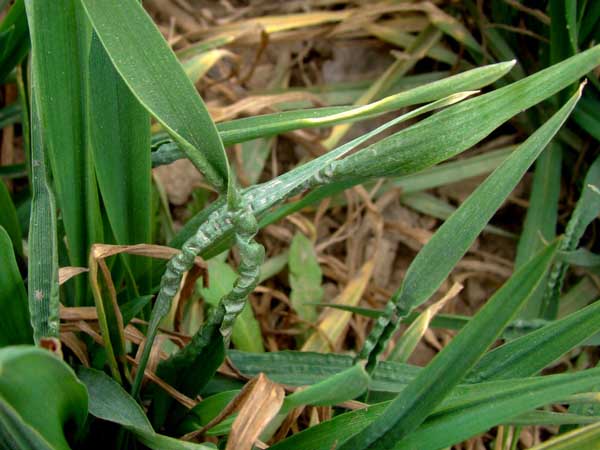
How to control wheat sharp eyespot? Detailed explanation of methods and precautions
Control methods and precautions for wheat sharp eyespot
-
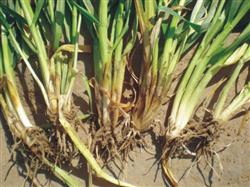
Spring Occurrence Patterns and Control Methods of Wheat Sharp Eyespot
Wheat sharp eyespot is a fungal disease mainly spread through the soil. As yield levels have increased, with the promotion of high-yielding varieties and wheat field management involving heavy watering and heavy fertilization, its damage has become increasingly serious. The pathogen of wheat sharp eyespot has a broad host range; besides infecting wheat, it can also infect corn, rice, foxtail millet, sorghum and many other...
-
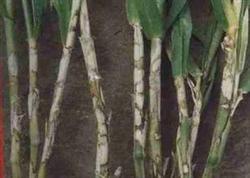
Key Techniques for Spring Control of Wheat Sharp Eyespot
Wheat sharp eyespot is a fungal disease mainly spread through the soil. With the improvement of yield levels, the promotion of high-yielding varieties, and wheat field management with heavy irrigation and fertilization, its damage has become increasingly serious. After wheat sowing, if the germ is infected by the pathogen during germination, the coleoptile turns brown, and in severe cases rots and dies; after the standing and jointing stages, the diseased plant rate rises significantly...
-
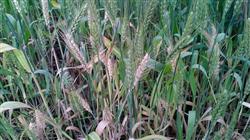
Wheat sharp eyespot must be controlled early in spring with thifluzamide
In recent years, the area of direct-seeded rice in northern Jiangsu and other places has been relatively large, resulting in a generally late wheat sowing period. To ensure the yield of late-sown wheat, the seeding rate is often greatly increased, with high-rate fields using 20-30 kg of seed per mu. The wheat seedlings in the field grow too densely, and as spring temperatures rise, the wheat quickly resumes growth, and the field canopy density...
-
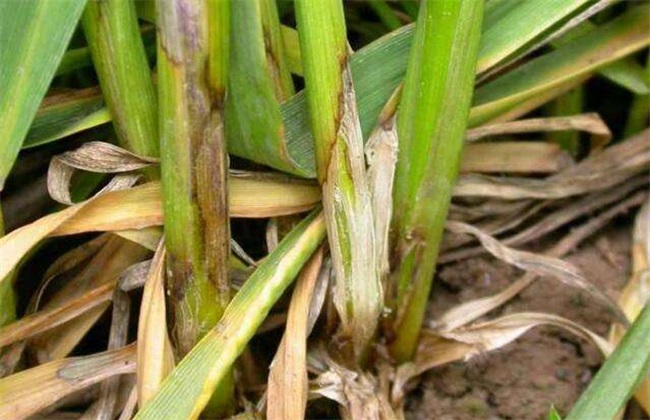
How to prevent and control wheat sharp eyespot? Detailed explanation of control methods
How to prevent and control wheat sharp eyespot
条件筛选