How to control wheat sharp eyespot? Detailed explanation of methods and precautions
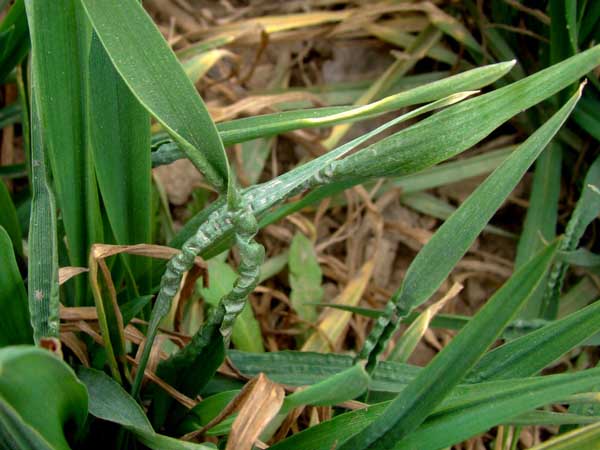
Wheat sharp eyespot can infect wheat at different growth stages. After wheat emerges, the pathogen that oversummers in the soil infects the underground stems and basal leaf sheaths of the wheat seedlings. After wheat turns green, light brown oval or diamond-shaped lesions appear on the basal leaf sheaths of affected wheat seedlings, with gray centers and brown edges; some lesions show slight longitudinal cracking.
After wheat enters the jointing stage, this is exactly when sharp eyespot attacks the stems. However, during this period, because wheat sharp eyespot mainly occurs at the base of the plant's stems, the symptoms are hidden and easily overlooked, causing the best control timing to be missed.
When the pathogen invades the stem from the leaf sheath, it often causes the stem wall to become necrotic and soft, the diseased part to split longitudinally, and the plant to lose water and die. In windy and rainy weather, lodging occurs and causes severe yield reduction. Normally, diseased fields suffer about 10% yield reduction, and in severe cases 30%-40%.
1. Control methods
To control wheat sharp eyespot, irrigation should be reasonable, excessive growth should be prevented, long-term excessive humidity between plants should be avoided, and weeds in the field should be removed in time. The key period for chemical control of wheat sharp eyespot is the green-up and jointing stage. Right now is the time for watering wheat fields, and it is also the time when sharp eyespot spreads with the water. If it is not controlled at this time, it will invade the first stem node of wheat after jointing and damage the stem. For chemical control, generally use 75 g of 70% thiophanate-methyl wettable powder per mu, or spray 20-30 mL of 25% propiconazole emulsifiable concentrate.
2. Precautions when spraying
①Focus spraying on the stem parts infected by sharp eyespot.
②Use two barrels of water per mu for spraying. If there were many white heads in the wheat field last year, the dosage must be increased to three barrels of water. Wheat sharp eyespot is generally controlled twice: the first application when the diseased plant rate reaches 20%-30%, and the second after 10-15 days.