How to prevent and control wheat sharp eyespot? Detailed explanation of control methods
Wheat sharp eyespot is a common disease in wheat-growing areas. It can harm wheat sprouts, stems and ears, and during the seedling stage it can directly cause dead seedlings. It is seriously harmful to wheat, can cause direct losses and affect yield. Next, we will discuss the occurrence, causes and symptoms of wheat sharp eyespot, and finally introduce specific control measures for the disease.
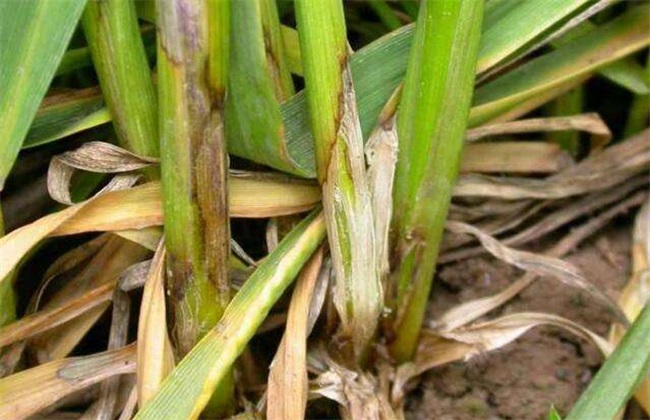
I. Infection symptoms
In the early stage of infection, it mainly harms the leaf sheaths and stems. It first develops on the leaf sheaths close to the ground, producing round or spindle-shaped brown lesions that continuously expand and eventually cause the stems to rot. Later, all the leaf sheaths will be found to be affected, with lesions showing a cloud-like pattern, and when humidity is high, yellow or white mold-like growth appears.
II. Causes of the disease
It overwinters as mycelium and sclerotia in the soil and in diseased tissues. It can develop throughout the entire growth period, and generally develops severely in warm and humid weather, spreading rapidly and causing large-scale epidemics. Disease occurrence in early spring is an important source of infection and must be controlled and eliminated to avoid an excessive base of inoculum and overly rapid reproduction. It develops severely in seasons with overcast and rainy weather and insufficient light, and sowing at a time that places the jointing stage in summer leads to severe disease.
III. Control methods
1. Seed selection
Choose varieties with strong adaptability and strong resistance, such as Huamai No. 7, Emai No. 6, Afu, Ji 84-5418, Yumai No. 10 and Yumai No. 13. These are excellent varieties bred over many years of cultivation in major wheat regions. They are worth promoting for planting and provide a certain safety guarantee.
2. Proper sowing management
Sowing at the appropriate time can reduce damage to a certain extent. Sowing somewhat earlier can allow the jointing stage to avoid hot and rainy weather, thereby reducing the possibility of damage. Lower temperatures from early sowing in the field can inhibit the reproduction of the pathogen. Be sure to remove weeds in time to avoid them growing up and creating a closed canopy environment around the base of the wheat, which increases temperature and humidity and worsens the disease.
3. Chemicals
Before sowing, use B# powder or 33% Wenmeijing (triadimefon plus carbendazim) wettable powder for seed dressing to disinfect the seeds and prevent them from becoming infected. Use 1 kg of seed plus 1.5 kg of seed plus 1.5 mg gibberellin to relieve phytotoxicity after spraying, and it can be used if you are in a hurry to sow. At the jointing stage, use 10 grams of the active ingredient jinggangmycin per mu or 6-9 grams of benzoyl · propiconazole to control the disease. In dense wheat fields where spraying cannot reach the roots, increase the amount of water used so the chemical flows down to the roots.
If such a disease occurs in the wheat field you planted, you can refer to these treatments in light of the weather at the planting site and the disease occurrence conditions, and I hope this can be of some help. For more wheat-related content, you can continue to follow updates and check them yourself.