-
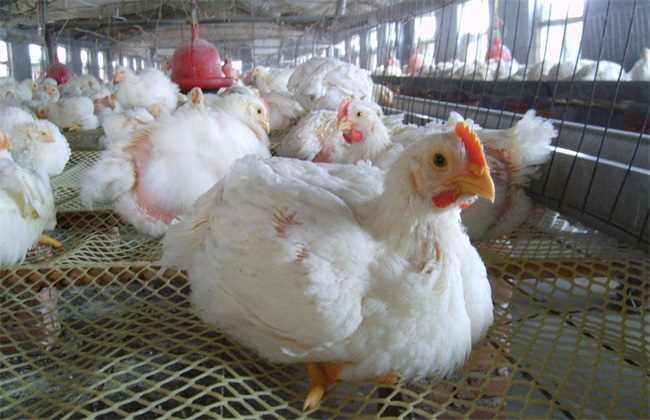
What breed is best for raising broiler chickens? Broiler breed selection advice
What broiler chicken breeds are good to raise
-

Avocado Growing Experience in Danei, Tainan: Key Points on Site Selection, Pollination and Harvest Management
Danei in Tainan is a well-known avocado-producing area. This article compiles the avocado growing techniques commonly used by local fruit farmers, including site selection and land preparation, variety pairing for pollination, water, fertilizer and pruning management, and how to judge ripening and harvest timing, to help you avoid detours and grow better-quality avocados.
-
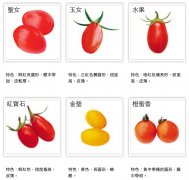
Cherry Tomato Varieties: Taste and Selection Tips for Shengnu, Yunu, and Chengmixiang
Taiwan, China has a wide variety of cherry tomato varieties, and every winter many different cherry tomatoes appear. Among them, Chengmixiang tomato is one of them. When we select tomatoes, how do we distinguish these different cherry tomato varieties? According to the Liberty Times Weekend Life edition
-
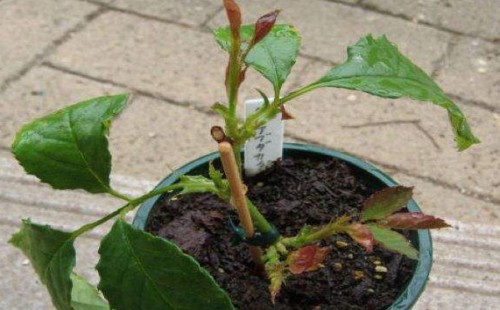
How to Choose Rose Cuttings? A Detailed Guide to Selection Methods
Rose seedlings are mostly propagated by means of cuttings, and whether the propagation of seedlings succeeds depends crucially on the choice of stems. The higher the quality of the stems, the higher the success rate after cutting will naturally be; conversely, the lower the quality of the stems, the lower the survival rate after cutting will be. So how do you choose rose cuttings?
-
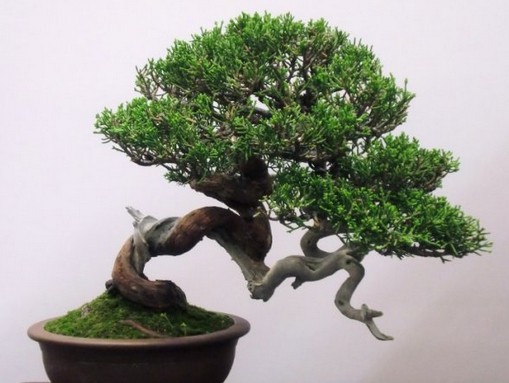
A Detailed Guide to Tree Species Selection and Styling Techniques of Suzhou-Style Bonsai
Suzhou-style bonsai is one of the five major schools of Chinese bonsai and consists of two parts: tree stump bonsai and water-and-stone bonsai. The most common varieties for tree stump bonsai include pines and cypresses, Chinese sweet plum (Sageretia thea), elm, boxwood, trident maple, Chinese fringeflower (Loropetalum chinense), crape myrtle, pomegranate, ginkgo, and others.
-
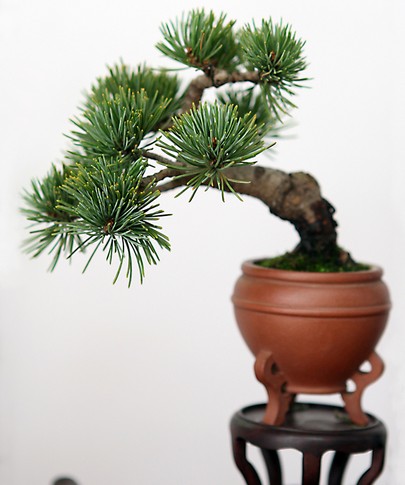
Material selection methods and techniques for making miniature bonsai
Miniature and small bonsai belong to the small-size category among bonsai artworks, with miniature bonsai being the smallest, generally under 10 cm, known as palm-top bonsai; small bonsai are 11 cm to 40 cm (Note: in this book, the first dimension given for a work is height, and the second is width). Precisely because they are known for being tiny, viewing the large within the small, and being small and exquisite
-
Edible Fungus Disease Prevention and Control Methods and Fertilizer Selection for Clivia
What Fertilizer to Use for Clivia
-
Edible Mushroom Cultivation Techniques and Selection of Water-Saving Irrigation Techniques for Flower Production
Selection of Water-Saving Irrigation Techniques in Flower Production
-
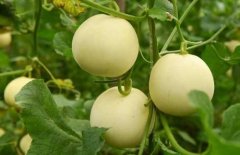
What Are the Growing Regions of Muskmelons? A Full Guide to Variety Classification and Selection Tips
Muskmelons can be roughly divided into three types: the netted muskmelon, which of course has a netted rind, with flesh that can be green, white or orange; the Hami melon, oval in shape, improved from the original Hami melon of Xinjiang, elongated oval in appearance with orange flesh, and its biggest difference from the muskmelon
-
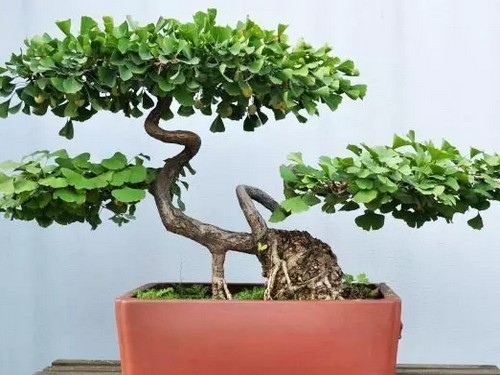
A Detailed Guide to Material Selection and Cultivation Methods for Ginkgo Bonsai
Ginkgo is a tree species with a remarkably long history of survival. Since ancient times in China, it has been regarded as an excellent material for bonsai. Ginkgo bonsai types can be divided into three kinds: foliage-appreciation, fruit-appreciation, and trunk-appreciation. To make ginkgo bonsai, one should select root-sucker seedlings from beneath large ginkgo trees and stalactite branches of ginkgo trees.
条件筛选