-
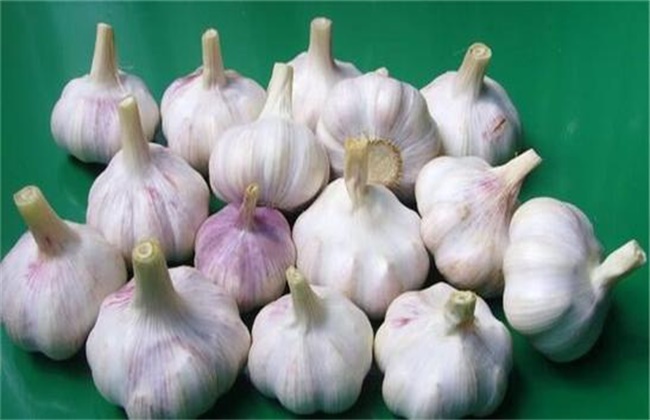
Garlic Seed Selection and Treatment Methods for Garlic Planting
Garlic Seed Selection and Treatment Methods for Garlic Planting
-
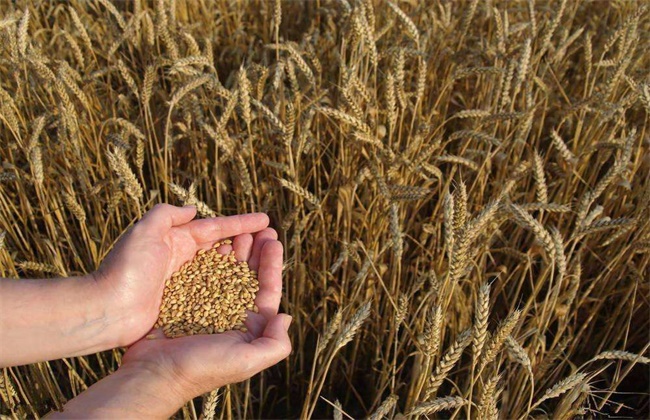
Wheat Seed Selection Methods and Practical Tips Explained in Detail
Wheat Seed Selection Methods and Tips
-
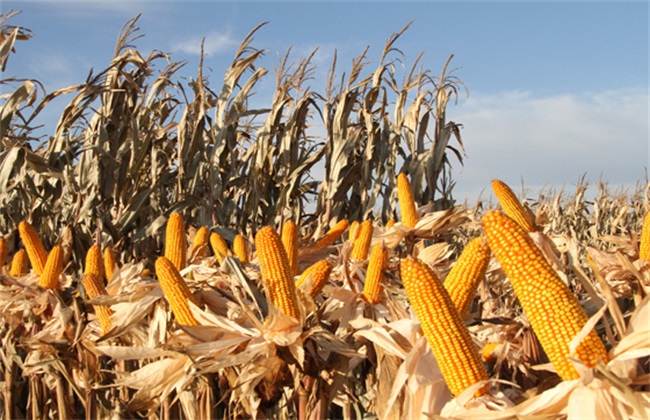
What corn seed variety is good to choose? Seed selection tips shared
What corn seed varieties are good
-

Detailed Explanation of Key Technical Points for Seed Selection and Seed Retention in Lotus Root
Seed Selection and Seed Retention Techniques for Lotus Root
-

Rice cultivation in cold regions requires water-saving irrigation, selection of improved varieties, making the most of accumulated temperature, and growing strong seedlings
Heilongjiang Province is located in a high-cold region, where heat and water resources are relatively scarce, annual atmospheric precipitation is extremely unevenly distributed, spring is windy with little rain, and drought is quite severe. The author discusses how to achieve water-saving, high-quality, and high-yield rice cultivation in cold regions. 1. Selecting excellent varieties is the prerequisite for ensuring high-quality and high-yield rice. The varieties that rice farmers plant directly affect the quality and yield of rice. Therefore, in production, varieties with a suitable maturity period, excellent quality, stable and high yield, and strong stress resistance should be selected. First, select varieties that have passed national approval, been named, and promoted, which can ensure relatively stable rice traits, steady and rising yields, and safe and reliable use; second, introduce varieties with suitable maturity periods according to different accumulated temperature zones, and never introduce varieties across zones; third, pay attention to seed quality, and select first-grade improved seeds with a purity above 98%, a germination rate above 90%, and a moisture content no higher than 14% for production use; fourth, purchase seeds from nationally certified seed companies, research institutes, and agricultural colleges, and eliminate blind planting; fifth, in actual planting, unify varieties as much as possible, plant in contiguous fields, form scale, and achieve industrialized planting.
-
Garlic Seed Selection and Saving Methods and Key Technical Points
Garlic is propagated by using the bulbs as seed. For seed saving, choose bulbs with thick, sturdy stalks, deep green leaves, a good root system, no pests or diseases, and that are large and plump. At the same time, pay attention to timely harvesting. If the bulbs are harvested too early, the cloves will not be plump or firm, and when planted the following year they will have weak germination vigor, uneven emergence, and leaves that curl into tubes without opening; if harvested too late, the outer skin of the bulbs will split, and many cloves will scatter. The harvest time is generally best 25-30 days after the garlic scapes are harvested. At harvest, the aboveground part should have four or five leaves, the cloves should be countable by hand as raised bumps, and the outer skin should be purplish red. When harvesting garlic bulbs, you must
-
Detailed Explanation of Garlic Seed Selection and Purification-Rejuvenation Techniques
Because garlic reproduces asexually, and the garlic clove is a modified lateral bud that forms part of the mother plant, long-term asexual reproduction inevitably leads to the accumulation of viruses within the plant as well as the buildup of other undesirable traits, causing degeneration of the garlic's varietal characteristics. Degenerated garlic plants are short and small, have low photosynthetic capacity, produce smaller bulbs, and decline in quality, seriously affecting garlic yield and profitability. The key techniques for garlic seed selection and purification-rejuvenation are introduced below: 1. Establish off-site garlic seed-production fields. Establishing garlic seed fields with a certain degree of regional and cultivation difference can prevent
-
Garlic Cultivation Techniques: Detailed Explanation of Seed Selection Methods and Sowing Key Points
1. Seed Selection Garlic is propagated by cloves. For cultivating garlic sprouts in the Changsha area, early-maturing purple-skin garlic should be chosen, using medium-sized bulbs as seed. Seed cloves must undergo strict "two selections and one sorting," meaning when purchasing seed garlic bulbs, one should select bulbs with the morphological characteristics of the variety, that is, uniform in size and scale color, plump and full in appearance, relatively dry, with no "sprouting garlic" on the bulb. Before sowing, clove selection should be carried out: break open the bulb, remove those with damaged sprout tips or rotten cloves, yellow cloves, and bare cloves, and select complete, medium-sized, flat garlic
-
Growing Environment and Variety Selection for Mini Sweet Potatoes
1. Environment selection: Select the planting site according to the environmental conditions standard for pollution-free food - vegetable production areas. At the same time, the soil is required to be loose newly opened red or yellow soil or sandy paddy-upland rotation land, with acidic soil. 2. Variety selection 2.1 Jinyu (formerly Zhe 1257). Bred by the Zhejiang Academy of Agricultural Sciences, skin color pink, flesh color pure yellow, tuberous roots short and round, smooth skin, taste mealy, sweet, and glutinous, fine texture, no coarse fiber (strings), rich aroma, drying rate 30%-32%, 5-7 tuberous roots per plant, uniform tuberous root size, good early maturity, can be harvested in about 110 d (days), suitable for planting in different seasons, marketable tuberous root rate can reach 85%, small tubers below 50 g also have distinctive features and are suitable for hotel and restaurant consumption. This variety emerges well, drought tolerance is average, the main disadvantage is susceptibility to vine cutting disease, effective disease avoidance measures are selecting disease-free seed tubers, high vine cutting, and avoiding continuous cropping, paddy-upland rotation has a better control effect. 2.2 Liangyuan (formerly ais). Introduced variety from abroad. Skin color golden yellow, flesh color red, tuberous roots round, skin relatively smooth, taste soft, sweet, and glutinous, excellent quality, rich aroma; drying rate 25%-26%, suitable for steaming or roasting, 5-6 tuberous roots per plant, uniform tuberous root size. Good emergence, medium maturity, growth period about 130 d (days). 2.3 Xinxiang. A new variety bred by the Zhejiang Academy of Agricultural Sciences. Purple-red skin and yellow flesh, tuberous roots oval, skin relatively smooth, taste relatively mealy, fine texture, relatively sweet, drying rate 27%-29%. Underground tuberous roots are shallow and concentrated, suitable for mechanized harvesting, 6-7 tuberous roots per plant, uniform tuberous root size. This variety has good early maturity and high yield, when cultivated with plastic film mulching from late April to early May, it can be harvested in 90 d (days), yield and maturity are comparable to the high-yielding variety Sushu No. 8, and it can be planted for two seasons a year in Zhejiang Province. 2.4 Zheshu 6025. Purple-red skin and orange-red flesh, tuberous roots oval, skin relatively smooth, when just harvested, taste mealy, after storage (November), starch continuously degrades; taste relatively soft, glutinous, and sweet, good flavor, better to supply the market starting in November, a small amount of coarse fiber at both ends, drying rate 28%-32%. 5-7 tuberous roots per plant, good emergence, aboveground part semi-erect, vigorous growth, dark green leaf color, medium vine, medium maturity, growth period more than 120 d (days), better planted in early to mid-June. 2.5 Zheshu 78. Red skin and orange-red flesh, tuberous roots round, skin relatively smooth, taste soft, sweet, and glutinous, a small amount of coarse fiber at both ends, relatively good flavor, drying rate 25%-26%, good early maturity, suitable for early planting and early harvest, quality declines if harvested after October.
-
Selection of Greenhouses for Colorful Bell Peppers and Key Cultivation Techniques
The colors of colorful sweet peppers include red, golden yellow, purple, light purple, cream yellow, and others. The fruit shape is square and large, the skin is smooth, and the flesh is thick, with flesh thickness reaching 5 to 7 mm, single fruit weight 200 to 400 grams, and a maximum of up to 500 grams; the taste is sweet and crisp, the nutritional value is high, and it is suitable for eating raw. Colorful sweet peppers are tolerant of low temperatures and weak light, and have a long growth period. In recent years, China has introduced colorful sweet peppers from countries such as the United States, the Netherlands, and Israel, planting them in the suburbs of Beijing, Shanghai, and other cities, with good results, and they have developed rapidly nationwide. The greenhouse cultivation techniques are now
条件筛选