-
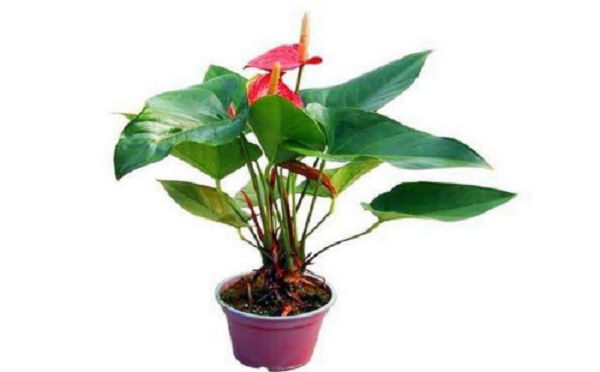
What kind of flower pot is suitable for anthurium? Detailed explanation of pot selection techniques
What kind of flower pot is suitable for anthurium
-
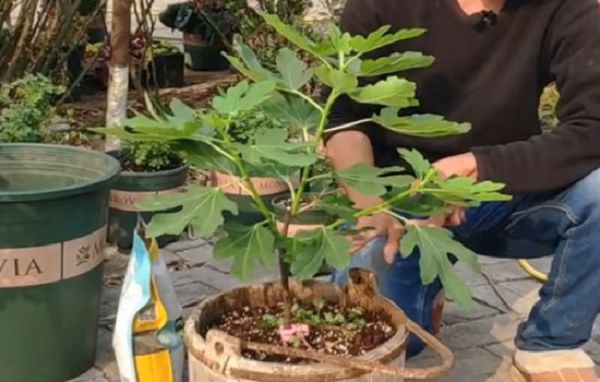
What kind of pot is best for potted figs? Pot selection tips you need to master
What kind of pot to use for potted figs
-
Rose Fertilizing Methods and Fertilizer Selection Tips
Rose fertilizing methods, what fertilizer is best
-
What flowers are suitable for growing in Shanghai? A local flower selection guide
What flowers are suitable for growing in Shanghai
-
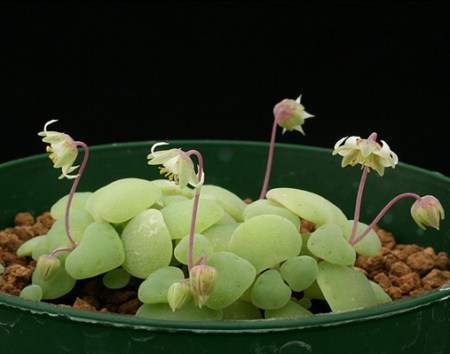
Silver Rich Scale Succulent: Morphology, Habits, Key Care Points, and Growing Environment Selection
Succulent Plants Forum - Silver Rich Scale's Morphology, Habits, and Key Care Points
-
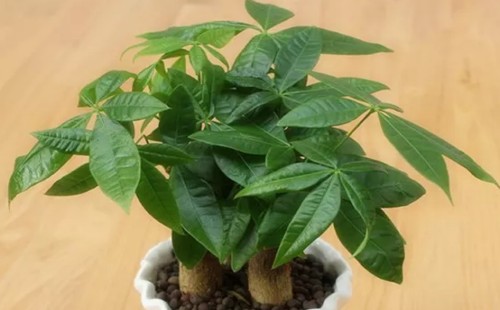
Growing environment requirements and selection methods for the money tree
A potted money tree is beautiful, but we also need to create a suitable growing environment for it. Only when the money tree grows in a comfortable environment can it keep its branches and trunk strong, stay evergreen through all four seasons, and show off its charming presence. And in order to create
-
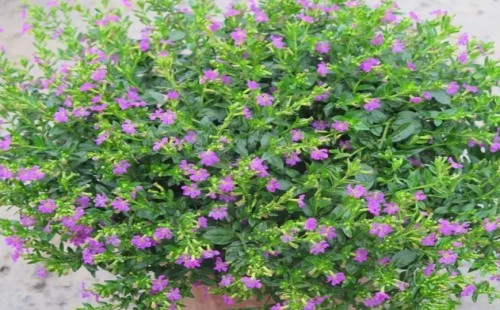
Growing environment requirements and planting environment selection for baby's breath
Baby's breath is a perennial herbaceous plant. Because it has many stems and branches, it also blooms abundantly, as numerous and beautiful as the stars in the night sky, which is why it is called baby's breath. The rhizomes of this plant can be used as medicine, and when grown in pots it has extremely high ornamental value.
-

Key Technical Points for Site Selection and Land Preparation in Lily Cultivation
Well-drained, deep sandy loam soil should be chosen. For cultivation in hilly areas, gentle slopes with a gradient below 5 degrees should be selected. Continuous cropping is taboo. Continuous cropping of lilies leads to severe pests and diseases and reduced yield. After selecting the site, soil chemical treatment should be carried out in conjunction with soil plowing to reduce pests and diseases. Use 2.5-5 kg of Jialiu powder or 2-2.5 kg of carbofuran per mu to kill underground pests. Use 1 kg of 50% carbendazim wettable powder diluted in 500 kg of water per mu to spray the soil for sterilization. Deep plow and prepare the land, adapt to local conditions, and apply sufficient base fertilizer. Per
-
How to choose materials for stump bonsai? Master these selection tips
Generally, plants with graceful forms, peculiar roots and trunks, brilliant flowers and fruits, strong sprouting ability, long lifespans, easy shaping, and strong resistance to adverse conditions are preferred. Plants suitable for stump bonsai are usually divided into three categories: conifers and cypresses, miscellaneous broadleaf trees, and flowering and fruiting trees. 1. Conifers and cypresses: Common excellent choices include five-needle pine, black pine, Buddhist pine, true pine, Japanese red pine, Huangshan pine, Chinese juniper, and creeping juniper. 2. Miscellaneous broadleaf trees: Materials vary from place to place. Common ones include Japanese bush cherry, Xiangfei bamboo, green-white bamboo, Buddha belly bamboo, serissa, boxwood, Chinese elm, trident maple, red maple, and banyan. These trees
-
How to choose bonsai material? A detailed guide to material selection techniques and methods
The selection of tree bonsai material mainly refers to the choice of two aspects: the tree species and the appearance of the stump material. When choosing a tree species, besides considering the factors that make it suitable for bonsai creation, one should also fully take into account the aesthetic tastes and individual preferences of the maker or the viewer (consumer). Because everyone's level of education, appreciation habits, and aesthetic views differ, some love evergreen conifer and cypress species; some prefer deciduous trees rich in seasonal changes; and some are devoted to dazzling flowering and fruiting trees. Therefore, the selection of bonsai tree species must first be people-oriented and fully
条件筛选