-
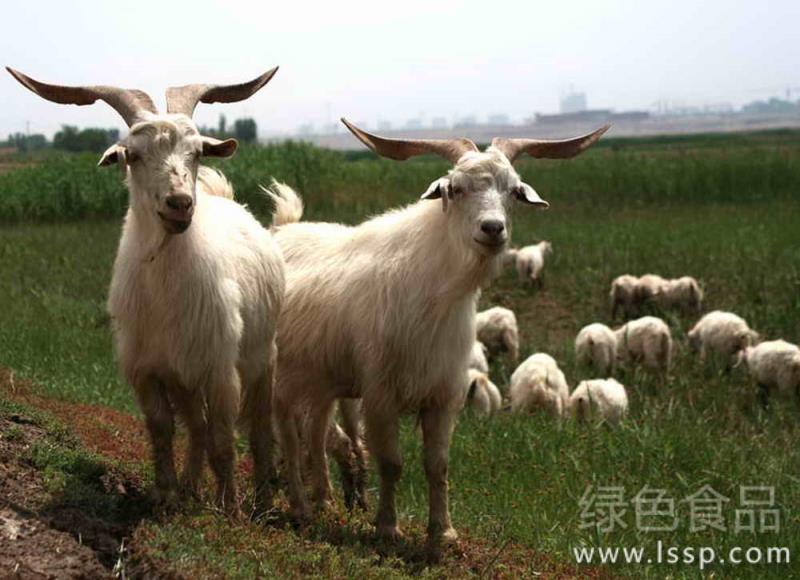
Sheep foot-and-mouth disease has a high mortality rate; how can it be prevented and controlled scientifically?
Sheep foot-and-mouth disease has a high mortality rate; how to prevent and control foot-and-mouth disease in sheep
-

Scientific Potassium Application for High Yield and Quality in Garlic
Potassium is an essential nutrient for crop growth, and its role in increasing crop yields and improving the quality of agricultural products has been confirmed in many crops, but there are still few reports on the effect of potassium on garlic yield and quality. Through two years of field trials, the Soil and Fertilizer Institute of the Zhejiang Academy of Agricultural Sciences proved that potassium application to garlic achieves high yield and quality. 1. The role of potassium application in garlic. The results of two years of field trials showed that potassium fertilizer application to garlic had an obvious yield-increasing effect. Under equal nitrogen and phosphorus levels, applying potassium fertilizer compared with no potassium fertilizer increased yield by 60.0
-
New disease-resistant, high-yield rice variety launched by Bayer CropScience
On May 14, 2008, Bayer CropScience announced the launch in India of ArizeRDhani, the world's first hybrid rice variety resistant to bacterial leaf blight. Compared with conventional varieties, this new variety can increase yields by 20%-30% and provides the crop with strong protection against the highly destructive bacterial leaf blight. "Rice is a staple food in many developing countries and emerging markets. Although global demand for this crop continues to grow, the occurrence of diseases can greatly affect harvests and threaten food supply.
-
Good Methods for Medicating Sick Pigs: Scientific Medication Promotes Recovery
After a pig falls ill, choosing the appropriate method of administering medicine can not only improve the efficacy of the drug, shorten the course of treatment, and enable rapid recovery, but also reduce drug waste and save on medication expenses. 1. Fasting medication method: This method is suitable when the sick pig has an appetite and the drug has no special odor. The specific practice is: in the morning when the sick pig is fasting, mix the drug into a small amount of feed the pig likes, and give it so that it eats it all quickly. Administering the drug this way neither wastes the drug nor fails to achieve the expected effect. For deworming pigs, this method works best.
-
How do you carry out selection and mating of geese? Scientific methods teach you to choose good breeding geese
Selection of breeding geese: Methods for retaining breeding stock Selection of breeding geese should be carried out in the following two periods: the first selection is carried out when the breeding geese are 70-80 days old. Those that grow and develop quickly, have a large body weight, are in good health, and whose plumage color and other appearance characteristics meet the requirements of the breed are retained as breeding geese, and the number retained should be 10%-20% more than the planned number of breeding geese. The second selection is carried out when the breeding geese are 180-200 days old. At this time, the breeding goose flock has developed sufficiently, and the secondary sexual characteristics of the geese are obvious. Breeding ganders are required to have a large head and thick neck, a robust physique, well-proportioned development of all body parts, wings held close to the body, and a prominent frontal caruncle
-
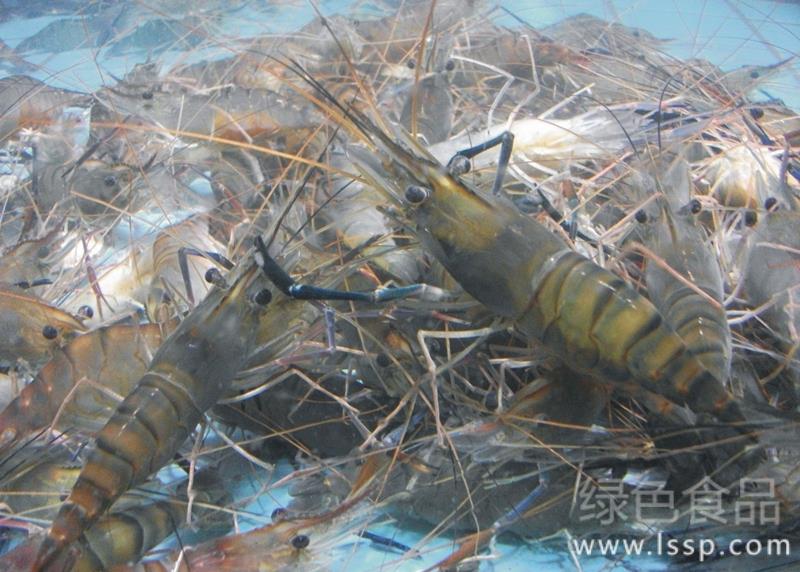
Red body disease in freshwater shrimp (Macrobrachium nipponense) causes explosive mortality - how can it be scientifically prevented and treated?
Red body disease causes explosive mortality in freshwater shrimp - how to prevent and treat red body disease in freshwater shrimp
-
Detailed Explanation of Key Points of Scientific Irrigation Technology for Cotton
Cotton is a taproot crop, with the main root penetrating relatively deep into the soil, making it a relatively drought-tolerant crop. The period from squaring to boll opening is the critical period for water demand. 1. Conventional irrigation: Irrigate 3-4 times throughout the growth period. The first irrigation is at the squaring stage, i.e., mid-to-late June; the second irrigation is at the full flowering stage, i.e., mid-July; the third is at the flowering and boll-setting stage, i.e., from late July to early August; by the initial boll-opening stage, if the weather is dry or the soil is sandy and prone to leakage, one more irrigation may be applied. If there is abundant rainfall and no sign of drought, watering may be discontinued. Apart from 120 cubic meters per mu for the pre-planting water, the irrigation quota for each application during the growth period is 6
-
How to raise parent pigeons? A detailed guide to scientific management methods
Strengthen the feeding and management of parent pigeons to improve egg production rate and fertilization rate. The following introduces the problems and practices encountered in the feeding and management of parent pigeons during the laying and brooding periods. 1. Prevent pigeons from laying infertile eggs, soft-shelled eggs and deformed eggs. In the early stage of laying, the number of infertile eggs will be somewhat higher, but the fertilization rate should still reach above 70%. Below this rate, it is abnormal, and you should check whether the pairing of the pigeons is reasonable, whether there are cases of all males or all females, and whether the health grit is supplied according to the formula and requirements. 2. Minimize broken eggs
-
Detailed Key Points of Pear Orchard Soil Management, Essential Reading for Fruit Growers Practicing Scientific Cultivation
Pear trees have strong stress resistance and wide adaptability, and can be cultivated on sandy land, mountainous land and hilly land. The planting soil is preferably a relatively fertile sandy loam with deep soil layers and good drainage. 1. Deep plowing of pear orchard soil Deep plowing can deepen the root distribution layer, make the roots develop deeper into the soil, reduce "surface-floating roots", improve drought resistance and absorption capacity, and has a significant effect on rejuvenating tree vigor and improving yield and quality. In production, the alternate-row deep plowing method is often used, and it takes 2 to 3 years to complete all the plowing; the ring-ditch method of expanding the planting hole can also be used. The deep plowing time is best completed before leaf fall in autumn,
-
Detailed Explanation of Garlic's Fertilizer Requirements to Help You Fertilize Scientifically
Garlic roots are string-like fleshy fibrous roots, mainly distributed within the 20-25 cm plough layer, making it a shallow-rooted vegetable. It responds sensitively to fertilizer and water, and has the distinct characteristics of relishing fertilizer and tolerating fertilizer. Garlic has very few root hairs, and they are fine and weak, so the roots' ability to absorb fertilizer is poor. The nutrients needed for garlic sprouting are all provided by the seed clove. As the seedlings grow, the nutrients stored in the seed clove are gradually exhausted, commonly known as "mother clove retreat." At this time, quick-acting fertilizer should be applied to ensure seedling growth and cultivate strong seedlings. After mother clove retreat, growth depends entirely on soil nutrient supply. Garlic's bulbils and flower buds differentiate
条件筛选