Sheep foot-and-mouth disease has a high mortality rate; how can it be prevented and controlled scientifically?
The main source of infection for foot-and-mouth disease is sheep that are ill or in the incubation period. Air, dust, the blisters, saliva, milk, semen, urine, feces and other excretions and secretions of diseased animals, contaminated feed, bedding, and the clothing of personnel who have come into contact with diseased sheep can all be routes of transmission of the foot-and-mouth disease virus. The infection rate of sheep foot-and-mouth disease is almost 100%. Generally speaking, the mortality rate of adult sheep with foot-and-mouth disease is 5%-20%, and the mortality rate of lambs is as high as 50%-80%. How to prevent and control sheep foot-and-mouth disease?
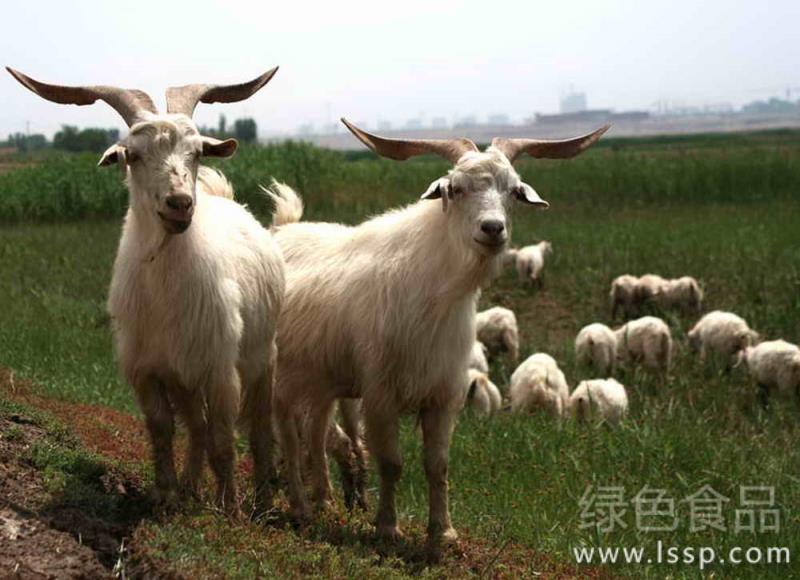
Sheep
Carry out immunization properly.Sheep foot-and-mouth disease has a sudden onset, spreads quickly, and causes great harm, so compulsory vaccination and immunization must be strictly implemented in accordance with national regulations, and all sheep must be vaccinated against type O and Asia I foot-and-mouth disease.
Immunization schedule.Breeding rams and reserve ewes are vaccinated 3 times a year, with 1 immunization every 4-6 months; production ewes are immunized 1 month after giving birth or before mating, about once each in March and August every year; lambs receive their first immunization at 28-35 days of age, followed by a booster immunization one month later, and thereafter once every 4-6 months.
Disease handling.Sheep foot-and-mouth disease is a Class I infectious disease stipulated by the state. When diseased sheep suffering from this disease or suspected of having it are found, it must be reported immediately to the local animal epidemic prevention and supervision agency, and the government will take measures to handle the epidemic. These include confirmation of diagnosis, designation of epidemic points, epidemic areas, and threatened areas, and measures such as isolation, blockade, culling, and harmless disposal.