What Are Mite Pests? A Detailed Guide to Scientific Control Methods
What applications of predatory mites in agricultural pest control do you know about? What are the characteristics of predatory mites in agricultural pest control? If you want to know, let us take a look together.
Biological control emphasizes using the predatory capacity of natural enemies to suppress the development of pest populations, so that the damage pests cause to cash crops is reduced to a level we can accept. This involves release density, release timing and the interrelationship between natural enemies and their prey, as well as how to enhance the suppressive power of natural enemies against pests in nature. All of this information requires long-term biological and ecological study before biological control techniques can achieve their greatest effect in the field. In any case, the pursuit of high-quality agricultural products free of pesticide residues is now the trend of the times, and the continued development of these predatory mite natural enemies in the future to control more pests (mites) on crops will also be just around the corner.
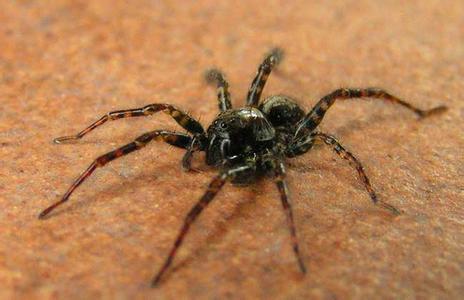
Chemical agents have the characteristics of rapid action and convenient application, and for a long time they have been an important method for controlling cash crop pests in agricultural production; however, as consumer awareness has risen day by day, in addition to ensuring agricultural production, high-quality agricultural products that emphasize no pesticide residues and give people peace of mind and health when eating have become the mainstream of the consumer market. It is just that Taiwan, China, located in a subtropical climate, is an environment suited to the occurrence of a great variety of pests and diseases, and their damage to cash crops is undoubtedly the greatest limiting factor in agricultural production. Therefore, under the dual consideration of both ensuring agricultural production and providing consumers with safe, high-quality agricultural products, the biological control strategy of "using insects to control insects" will be a technology with great development potential.
Biological control is originally an ecological phenomenon that already exists in nature, and for tens of millions of years it has been evolving within the food chains of living things. The most famous example in history is first and foremost the 1868 case in California, where citrus was damaged by the cottony cushion scale (Icerya purchasi), and scholars introduced the natural enemy the vedalia beetle (Rodolia cardinalis) from Australia, the scale insect's place of origin, finally saving the citrus industry from the brink of bankruptcy. The use of predatory mite natural enemies came in the 1970s in the United States, with the mass release of Amblyseius fallacis, Phytoseius persimilis and others to control the twospotted spider mite in strawberry fields, achieving concrete results. Although Taiwan, China, also introduced the above two predatory mites in the 1980s to control pest mites in strawberries and tea gardens, the results were perhaps less than ideal because the natural enemies could not fully adapt to the field climate of Taiwan, China. In recent years, under the active development by agricultural research institutions and Chung Hsing University, the application of native predatory mites and the enhancement of their predatory capacity against pests (mites) have produced encouraging results. For example, the Taichung District Agricultural Improvement Station used Amblyseius ovalis to control the silverleaf whitefly in cucumber under mesh houses; from the early flowering stage of cucumber, at a release density of 10-15 adult mites per plant, it could effectively suppress the silverleaf whitefly population through the late harvest stage of cucumber, with a control rate of over 80%, and during this period no insecticide needed to be applied while the cucumber yield was ensured. In addition, the Department of Entomology of Chung Hsing University used Amblyseius womersleyi to control the Kanzawa spider mite on papaya, also applying no acaricide throughout the whole period, and obtained high-quality, high-yield results.