-
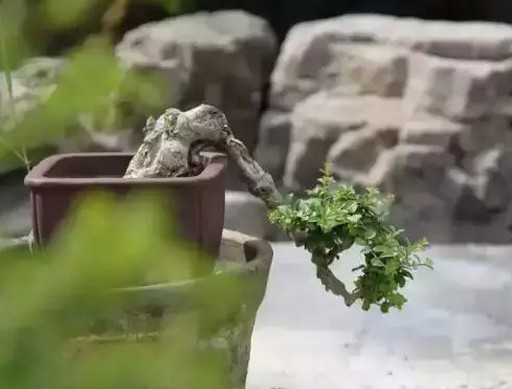
Cultivation of small trees for landscape bonsai originates from insights into how nature shapes trees
Bonsai starts from small seedlings, pruned once a year in the early stage, beginning with basic training; as time accumulates, the small tree naturally shows healed pruning cuts, and according to one's own needs and purposes, the tree's form is gradually perfected through continuous pruning. Young trees in the early stage have no degree of aging. Due to the characteristics of some tree species, such as Chinese privet (Ligustrum sinense)
-
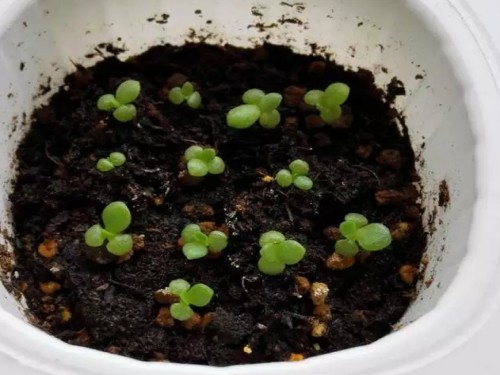
Management Methods After Sowing Landscape Flower Seeds
Flower propagation is divided into sexual propagation and asexual propagation. Sexual propagation is the use of seeds sown to reproduce offspring. Asexual propagation is also called vegetative propagation, using a part of the plant's vegetative organs to cultivate new plants; the methods include cuttings, division, grafting and layering. Among them,
-
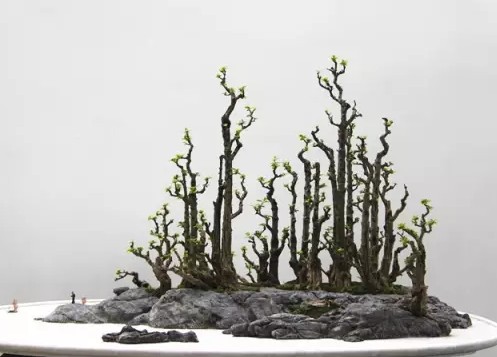
Landscape bonsai come in a myriad of forms, with the world's finest scenery distilled into a single pot
Landscape bonsai is a group of scenery created by mountains, rocks, grass and trees arranged and combined in a pot, and this combination follows a certain pattern of mountain momentum or structural composition. Below, let us appreciate some of the more representative landscape bonsai works of Shanshui Renjia, in the hope of better exchange with the broad community of bonsai enthusiasts
-
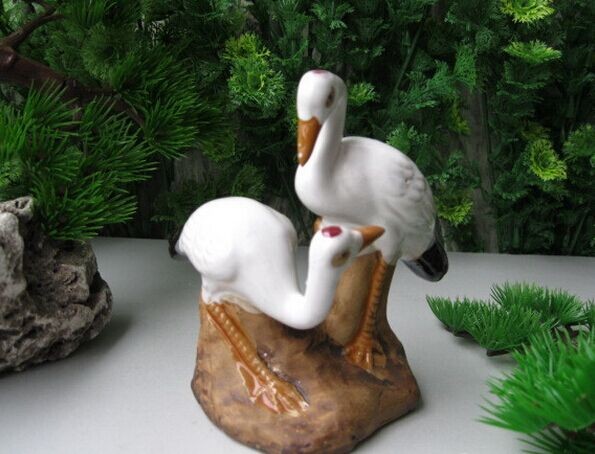
Landscape Bonsai: Coordinating Ornaments to Highlight the Accent Effect
Although the moss covering, green accents, planting of vegetation and placement of ornaments in landscape bonsai cannot be rigidly configured and accented according to the traditional proportions of "zhang for mountains, chi for trees, cun for horses, fen for people," they should not be excessively exaggerated either, because only the lowliness of the trees and the smallness of the pavilions can set off the majesty and height of the mountain forms.
-
Detailed Guide to Planting Methods for Landscape Bonsai Plants
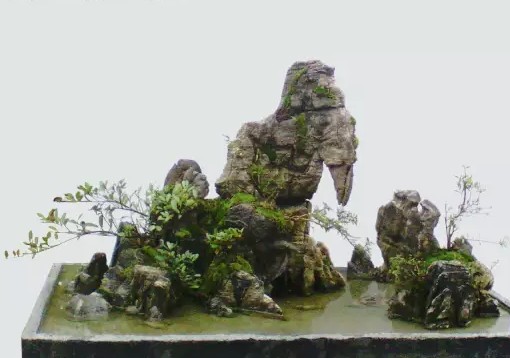
When arranging trees on landscape bonsai, the tree species and ecological styling should be chosen according to the desired artistic conception. Commonly used tree species for planting include five-needle pine, small-leaf podocarpus, serissa, boxleaf euonymus, small-leaf elm, Japanese bush cherry, small-leaf privet, and others, while herbaceous plants include asparagus fern, Selaginella uncinata, cattail grass, maidenhair fern, and brake fern.
-
Detailed Explanation of the Art of Accenting Landscape Bonsai with Moss
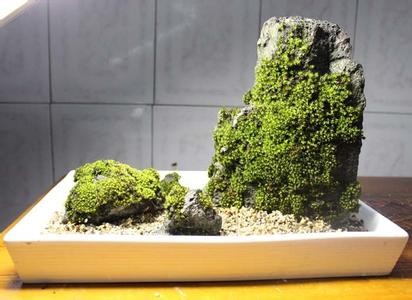
Ordinary root-textured stones have strong water absorption and tend to grow moss easily; hard stones, if kept in a damp and shady place for a long time, can also grow a thin layer of moss on their lower parts. As for where moss grows, there is more moss on the lower part of the rock and less on the upper part, less moss on the light-facing side and more on the shaded side; less moss on the ridges and more in the hollows. This is the law of natural ecology.
-
A detailed guide to the moss-planting method for landscape bonsai, teaching you to grow natural moss
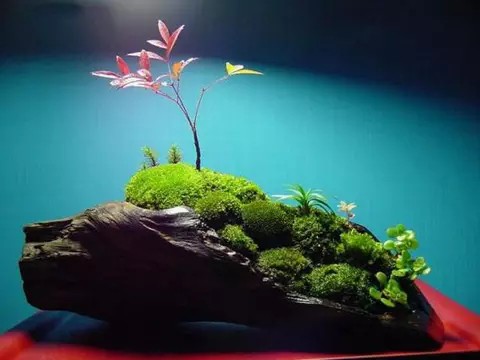
At the mention of moss bonsai, we inevitably think of Japanese-style gardening landscapes. These bonsai, with their cute shapes and verdant tones, are given different themes by people's imagination; a small container is a miniature world. The benefit of making moss bonsai lies in honing our carefulness and patience.
-
Finishing and Embellishment Techniques After Completing a Landscape Penjing
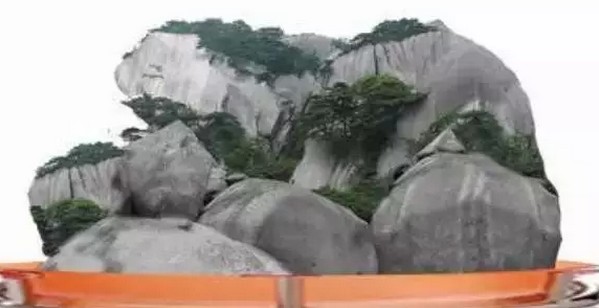
To create a landscape penjing, one generally first determines the theme and carries out a preliminary artistic conception, then selects materials such as the pot, stones, plants and accessories, then processes and arranges the stones, and finally embellishes with plants and accessories. The pot is the main component of the penjing and also plays a major role in its appreciation
-
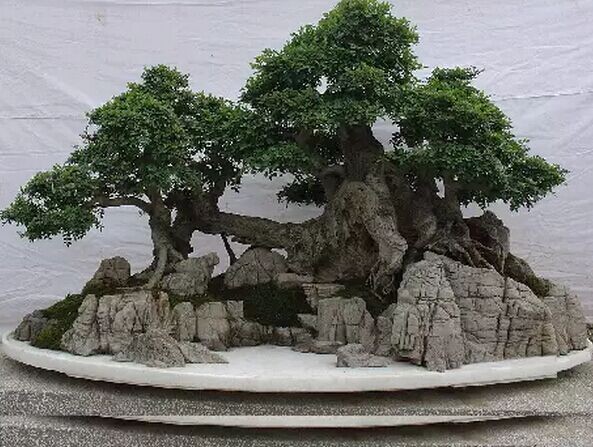
How to maintain and manage landscape penjing (bonsai)? A complete analysis of methods and key points
Penjing is an artistic treasure developed in China on the basis of potted plants and stone appreciation, using plants, rocks and other materials, employing the artistic modeling technique of "shrinking a dragon to an inch, a thousand miles within reach," to present natural landscapes in a pot and express the creator's thoughts and feelings. It requires harmony among the scenery, pot, stand, inscriptions and other aspects.
-
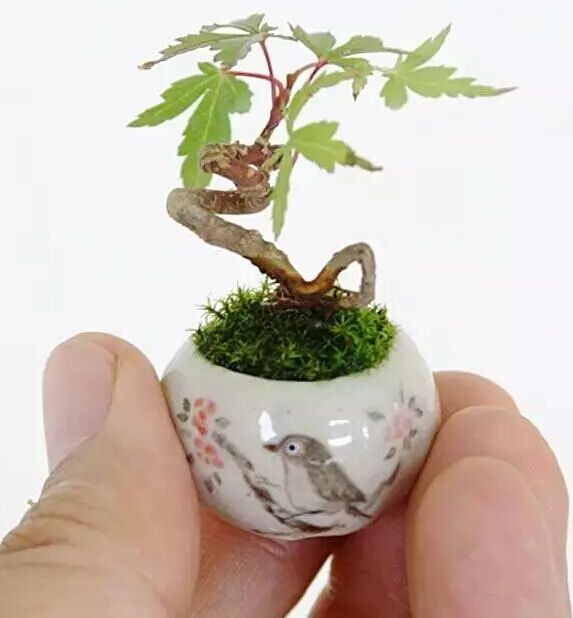
How to make miniature bonsai: learn to easily create a mini potted landscape
Miniature bonsai are mainly made up of flowers and plants, accented with small items such as mountain stones. They are small in form, with exquisite and unique shapes; holding them in your hand to admire gives a special kind of pleasure! A touch of greenery is a whole day of good mood. So small and exquisite, they are just so lovable! Truly a treasure in the palm of your hand! Besides tree shapes
条件筛选