-
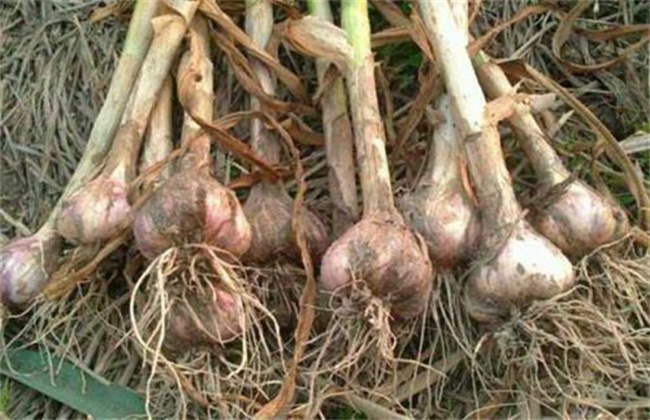
How to save garlic seed? These seed-saving tips and methods you need to master
Garlic seed-saving tips
-
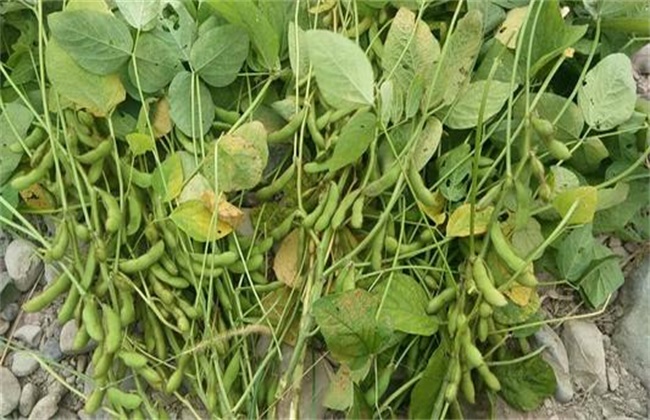
What are the precautions for saving soybean seeds at home
Precautions for saving soybean seeds at home
-
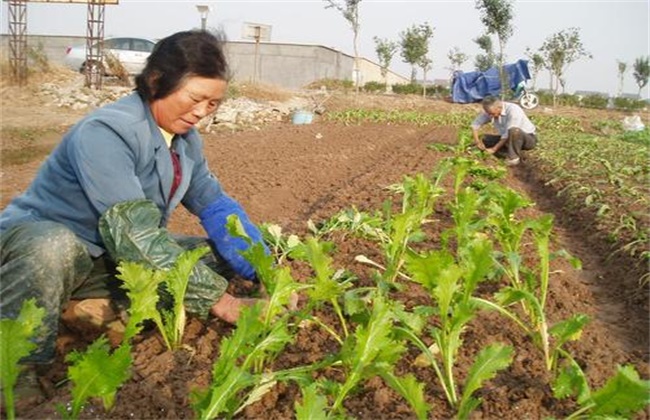
What are the transplanting techniques and seed-saving key points for zhaicai (tuber mustard)?
Transplanting techniques and seed-saving key points for zhaicai (tuber mustard)
-
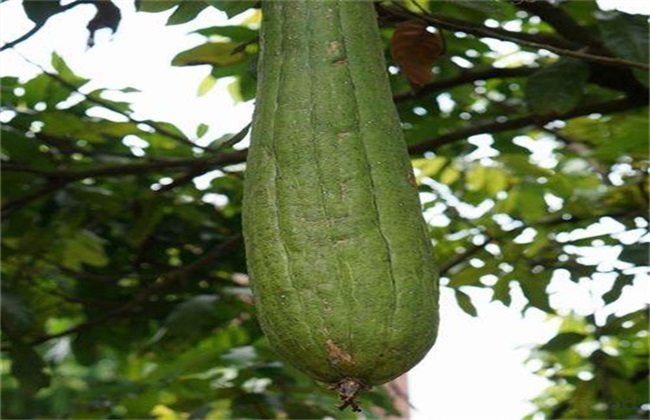
A Detailed Guide to Saving Loofah Seeds: How to Select High-Quality Seed Gourds
How to Save Loofah Seeds
-
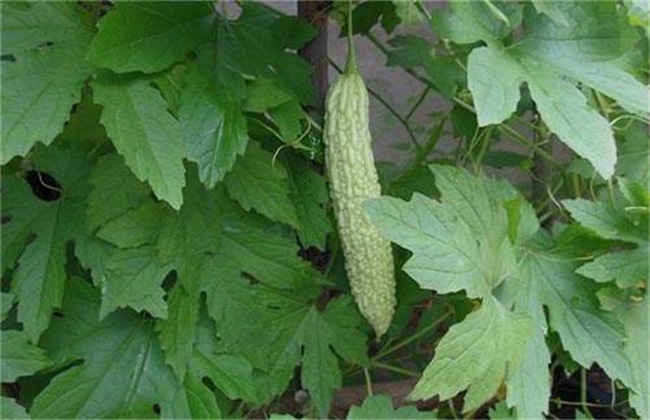
How to Save Bitter Gourd Seeds: Detailed Guide to Seed-Saving Methods and Key Techniques
How to Save Bitter Gourd Seeds
-

What Are the Best Vegetables for Weight Loss? These 9 Have Plenty of Benefits, Worth Saving
No. 1 Tomato: Tomatoes are rich in lycopene, and their antioxidant effect can effectively inhibit the activity of reactive oxygen species, while their anti-cancer ability is also quite high. They are rich in...
-
A complete guide to the dietary taboos of common vegetables, worth saving for later use
Eating more vegetables in winter helps the body supplement vitamins, but do you know the dietary taboos of some common vegetables? Which vegetables cannot be eaten together? When...
-

Detailed Explanation of Key Techniques for Saving Seed Potatoes from the Autumn Crop
1. Fine land preparation For autumn potatoes, choose a field with high terrain, convenient drainage and irrigation, and fertile soil, preferably loamy soil. 2. Sprouting seed potatoes In mid-August, remove diseased potatoes, cracked potatoes, and irregular potatoes from the harvested spring potatoes, and cut them into pieces according to the seed potato eyes. Cut each seed potato lengthwise into 4-6 pieces, and prepare a medicinal solution by mixing 0.1 g of gibberellin with 100 kg of water. Soak the potato pieces for 10-20 minutes, take them out and let them dry, then stratify them with wet sand to promote sprouting. During the sprouting period, generally do not sprinkle water, and keep the sprouting temperature above 30°C
-
The 10th Regiment of the First Agricultural Division pioneers a new water-saving technique for dryland rice cultivation with drip irrigation under plastic film
In 2010, the 10th Regiment of the First Agricultural Division of the **Production and Construction Corps used new science and new technology to transform traditional agriculture. Faced with a severe shortage of water resources and its disadvantaged position as a unit downstream of the First Division's water supply, it independently developed new machinery for sowing rice on dryland with drip irrigation under plastic film, which was put into rice production and vigorously promoted by Aral City of the First Division. According to Kong Jun, the First Division's deputy division commander in charge of agriculture, this cultivation model not only saves labor in rice planting but also conserves water resources and farmland costs, helping to increase rice yields and efficiency, and it has opened a new chapter for the Corps' agriculture and livestock farms.
-
Qing'an's 700,000 mu of rice adopts cold-region dry seedling cultivation and controlled irrigation technology for water saving and high yield
The controlled irrigation, water-saving and high-yield technology for cold-region dry seedling rice has been successfully tested in Qing'an. This year, 700,000 mu of rice in this county are using this technology. According to expert calculations, it saves about 450 cubic meters of water per mu, saves 11.2 yuan in pumping costs, and increases yield by an average of 22 kg per mu. In recent years, through the trinity approach of "engineering water saving, mechanism water saving, and technical water saving," Qing'an has reduced irrigation water per mu from nearly 1,000 cubic meters to 500 cubic meters. Over 10 years, it has expanded the paddy field area from 640,000 mu to 1.17 million mu, accounting for half of the cultivated land area. Last year
条件筛选