A Detailed Guide to Saving Loofah Seeds: How to Select High-Quality Seed Gourds
Loofah is an annual vegetable. Apart from some hybrid varieties bought from the market that cannot be saved for seed, locally grown loofah can generally be saved for seed and planted again the following year. Saving seeds has its own set of rules and its own process. In general, you have to decide which gourd to select, when to start cultivating it for seed, when to pick the gourd and extract the seeds, how to handle the seeds once extracted, and how to store them properly. Only when all these steps are done well can you ensure the seeds will sprout smoothly the next year. So let's go find the answers in the article below!
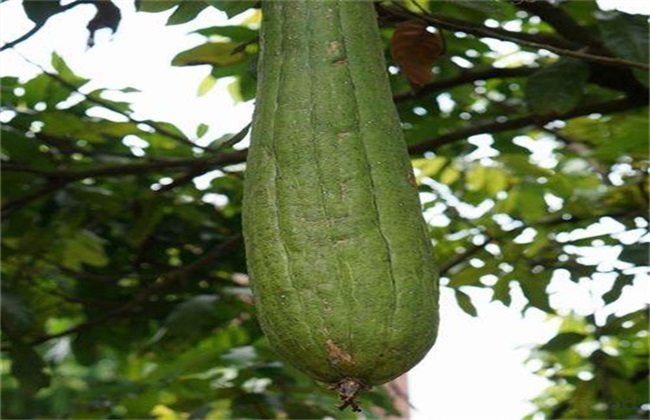
1. Selecting the Gourd
In the middle stage of fruiting, that is, when the plant bears the most gourds, you should select some loofahs that are disease-free, dark in color, larger than those growing at the same time, free of deformities, and growing normally, and cultivate them as seed gourds. After selecting them, mark them clearly and let them keep growing. Then you can spray them once with pesticide to prevent pest and disease damage. At this point you can start applying more topdressing, maintain the water supply, and ensure the loofah keeps growing healthily.
2. Extracting the Seeds
Loofah seeds should be extracted only after the gourd is fully mature, so that the seeds develop completely and are not deformed, incomplete, or underfilled. Once the loofah's outer shell is hard and gradually turns dry and yellow and changes color, it is ready for seed collection. Pick the loofah, split it open, shake out the seeds, and then remove the fibrous network and pulp.
3. Treating the Seeds
Select plump, intact, large seeds and discard the other small seeds or empty, shriveled ones. Wash them once to remove some of the sticky matter clinging to them. Rub the seeds with alkaline water until the seed surface is clean and no longer slippery, then wipe them dry and leave them in the sun for one day. After part of their moisture content is removed, they can be stored. Alternatively, dry them in the shade in a ventilated place. However, the sun can sterilize them to some extent, so it is best to soak them for 10 minutes in a solution of chlorothalonil fungicide and then dry them in the sun, to prevent fungi and insects.
4. Storing the Seeds
After treatment, the seeds should be stored in a dry environment with low oxygen content and low temperature, because this ensures the seeds will not become moldy and spoiled and unusable, or be eaten by insects that have nowhere to find food in winter. You also need to prevent the seeds from suddenly sprouting on their own. So in the end, store them in a sealed glass bottle, a sealed plastic bag, or a porcelain jar, which will preserve them well. You can also use the sand storage method, which helps maintain seed vitality, but a small amount of mold may occur.
The specific loofah growing process is the content described above, and in actual production you can seek better methods of operation. You can also ask experienced growers or some agricultural experts to choose the most suitable method. I hope what I have said will be of some help to those who need it.