-
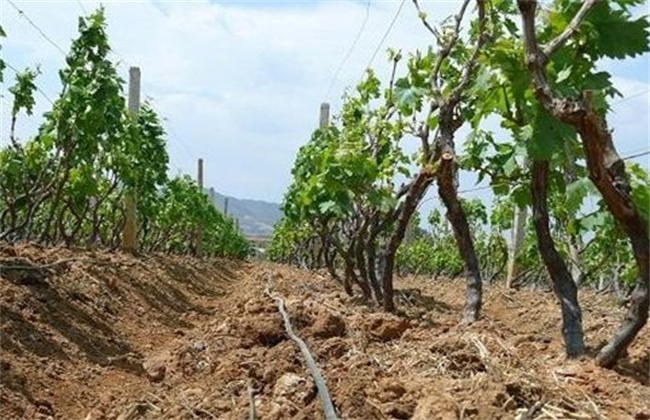
Detailed Explanation of Grape Water-Saving Irrigation Methods and Technical Points
Grape Water-Saving Irrigation Methods
-

Cotton seed: never harvest prematurely opened bolls; pay attention when saving and selecting seed
According to data from seed management department testing, in recent years the germination rate of some cotton seed has been only around 60%, still far from the national standard of 80% germination rate. From extensive surveys, the reasons for low cotton seed germination rates are: first, harvesting immature prematurely opened bolls; second, purchasing "favor bolls" with high moisture content; third, mixing in diseased seed from rotten cotton bolls; fourth, storing cotton seed in the warehouse before it is fully sun-dried; fifth, containing some cotton seed broken during processing; sixth, relatively high residual acid content in coated cotton seed; seventh, not strictly
-
Detailed Explanation of Water-Saving Techniques for Chestnut Planting on Hillsides
Chestnut blight, also known as chestnut cortical rot, chestnut tree rot, and chestnut plague, is one of the main diseases of chestnut trees. It occurs in all major chestnut production areas in China, with severe damage in some production areas, and the chestnuts grown in Nanxiong are also very severely affected. The bark of affected chestnut trees rots, the tree vigor weakens, and in severe cases it causes dead branches and dead trees. I. Harm...
-
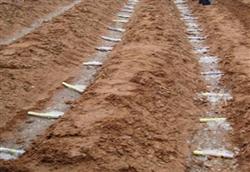
How to cultivate water-saving sugarcane in winter and spring
Paddy field sugarcane is one of the important types of sugarcane cultivation in Yunnan. In many sugarcane-growing areas of our province, soil erosion is severe, and the construction of farmland water conservancy facilities is relatively lagging. In addition, the winter and spring seasons are dry with little rain, and paddy fields lack water. Apart from some fields that can plant sugarcane according to the seasonal requirements, most water-deficient fields are planted relatively late, from the end of April to...
条件筛选