How to Save Bitter Gourd Seeds: Detailed Guide to Seed-Saving Methods and Key Techniques
Bitter gourd is a vegetable commonly eaten in summer, with the effect of clearing heat and detoxifying, and it can be planted in warm climates. When you have a superior variety, you can collect and save seeds yourself and plant them again the following year, and the excellent genetic traits of the previous generation can still be maintained. This article is meant to introduce how to select seed gourds, how to save seeds, and how to handle the seeds.
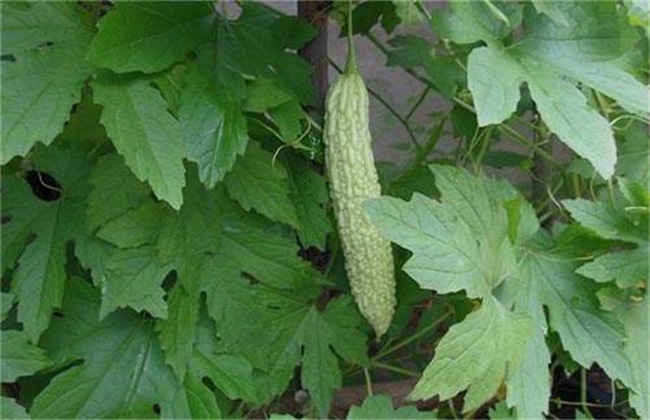
I. Isolation for Pollination
Bitter gourd is a cross-pollinated plant. Once you decide which variety to save seeds from, you must plant these seed plants in an area isolated from other bitter gourds. Generally, they can be kept away from other bitter gourds, or a separate seed-saving plot can be set aside with small trees planted around it to block pollen sources. This ensures self-pollination of the plants and maintains the purity of the variety. In addition, natural pollination and fertilization are poor during hot, rainy weather, so you need to hand-pollinate yourself to ensure fruit set so that there will be seeds to collect.
II. Selecting Seed Plants
After planting the seed plants, you should take care of the growth of every bitter gourd as thoroughly as possible, trying to let each one grow normally and produce bitter gourds suitable for seed saving. Generally, choose bitter gourds borne by plants with strong growth vigor, dark green foliage, and no pest or disease damage. Likewise, not all gourds produced can be kept for seed; you must choose large ones with no pest or disease damage and normal, glossy color before they are suitable for harvesting and seed selection.
III. Collecting Seeds
Choose seed gourds on healthy plants. Generally, after the first two rounds of bitter gourds have ripened and been harvested, begin selecting gourds for seed during the plant's vigorous growth period. When the bitter gourd grows to medium size, you can select seed gourds, mark them well, and then give them special care as they grow. Wait until the bitter gourd changes color to orange-yellow and is ripe, past the edible stage, then you can pick it; otherwise, if overripe, it will split open. After picking, handle it gently, lay the bitter gourds out together in a cool place for about three days; the color will deepen and they will split open on their own, so the seeds will be more fully mature. Then take out all the seeds, remove empty, shriveled, lighter-colored, too-small, deformed, and incomplete seeds, then rinse once in clean water to remove the pulp. Then soak them in running water for two hours, and finally rub-wash them to remove the sticky mucus. Dry them in the sun and then store them.
IV. Storage
For sun-dried seeds, keep the moisture content at about 15%, then put the seeds into plastic bags. If there are few seeds, they can be stored sealed in a glass jar or in a small plastic bag. If there are many seeds, they can be stored in a plastic bucket. However, all containers must be clean and sterilized before use, must not be breathable, and must be absolutely sealed. To prevent insect damage, you can put a dry medicine packet inside.
If you want to save seeds from bitter gourd for planting or selling, you must first select excellent fruiting plants and high-quality gourds for seed saving. When taking the seeds, pay attention to correct operations, do not do things carelessly, collect mature seeds, and do not rush. So if you want to save seeds, you can do it this way.