-

Strengthening Pesticide Labeling Management, Mandating Operators to Disclose Characteristics to Enhance Safety of Use
The Council of Agriculture (COA) announced at the end of last year the draft amendment to the Pesticide Labeling Management Regulations, introducing the Globally Harmonized System of Classification and Labelling of Chemicals (GHS harmonized system). The WTO notification process was recently completed, and only the completion of modifications to the label sample output system remains. Once manufacturer testing proceeds smoothly, the regulations can
-
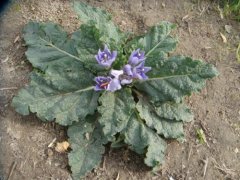
Do Mandrakes Really Exist? An Analysis of Their Appearance and Garden Planting Safety
Long absent from American ornamental gardens, the mandrake (Mandrake officinarum), also known as the Satan's apple, is making a comeback, thanks in part to the Harry Potter books and films. Mandrake plants bloom in spring with lovely blue and white flowers, and in late summer the plant produces attractive (but inedible) red-orange berries.
-
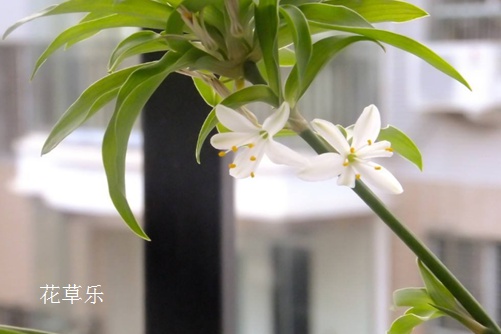
Will Spider Plants Freeze to Death in Winter? A Few Tips to Help Them Winter Safely
You're in the South's bright sun amid swirling snow, while I'm in the North's cold night feeling like eternal spring. For Northerners with heating, this is indeed true; winter in the North is more comfortable than in the South, where people rely on endurance to stay warm. So, in every cold winter, will spider plants freeze to death? Here are a few tips to help your spider plant get through it safely.
-
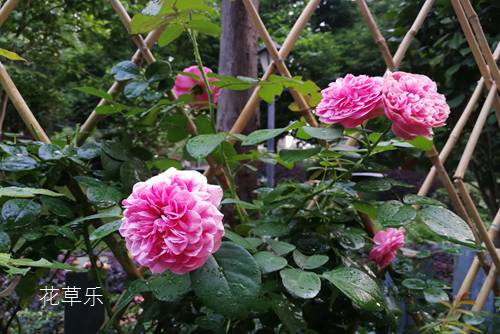
How to grow Chinese roses so that potted Chinese roses can safely get through the summer
Whenever midsummer arrives, Chinese roses are inferior to those in spring and autumn in flower color, flower shape, petal count, flower size and growth vigor, which is truly a regrettable problem. The main factor affecting the flowering of Chinese roses is temperature. In spring and autumn, because the temperature difference between day and night and the light intensity are suitable, the branches develop fully and the flower heads develop perfectly
-
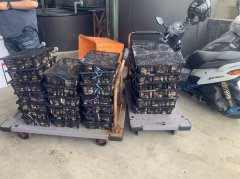
How is live abalone food testing done, and why does it violate the Food Safety Act
First case this year! Live abalone from China was transported in violation of regulations without passing inspection, was stopped by the relevant authorities, and under the Act Governing Food Safety and Sanitation, was sent by the Taoyuan City Health Bureau to the Food and Drug Administration for adjudication. If there is in fact illegal sale, the maximum fine will be 20 times the market price.
-
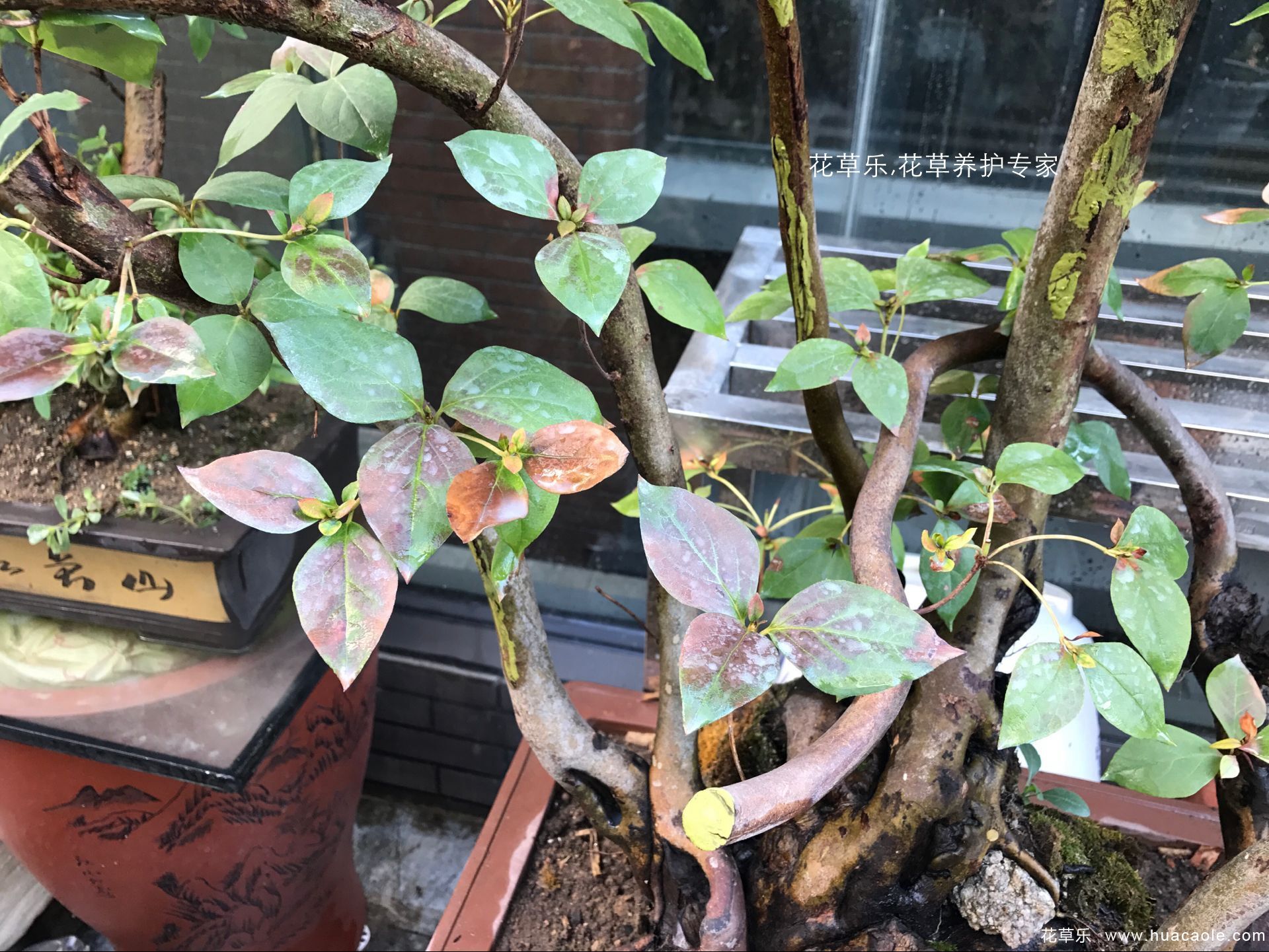
5 key points and taboos for bonsai care in summer, clever tips for safely getting through the summer
The scorching sun is like fire, and the high temperature of 38 degrees has long exceeded the normal physiological temperature of plants, causing a large amount of water evaporation from the trunk body, with absorption less than consumption, resulting in an imbalance that damages the growth mechanisms of leaves and roots
-

Long-term Roundup spraying gave an amateur gardener non-Hodgkin lymphoma too, after trusting Monsanto's ads: glyphosate is safer than table salt
Long-term Roundup spraying gave an amateur gardener non-Hodgkin lymphoma too, after trusting Monsanto's ads: glyphosate is safer than table salt
-
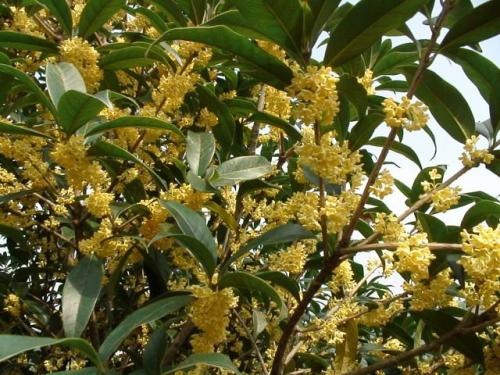
How to care for osmanthus trees in winter so they survive the cold safely
Osmanthus is one of China's ten traditional flowers and is planted in many parts of the country. It is not suited to sub-zero Celsius environments, so it can be described as a plant that fears freezing. In southern China, osmanthus is mostly grown in the open ground and generally survives the winter safely; only in some severely cold areas of the north do you need to pay attention to frost protection when growing it.
-
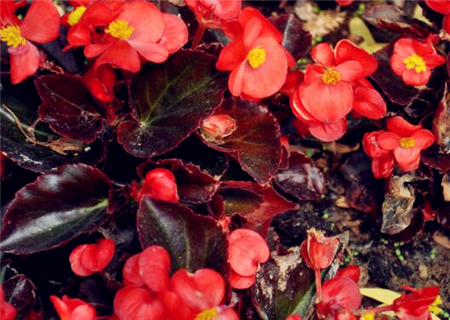
When does wax begonia bloom? How to make it bloom year-round and overwinter safely
Wax begonia, also known as perpetual begonia, is a plant of the genus Begonia in the family Begoniaceae. Wax begonia is the most common and most widely cultivated species among begonias. So when does wax begonia bloom? How do you make it bloom year-round? And what is the best way to care for it in winter?
-
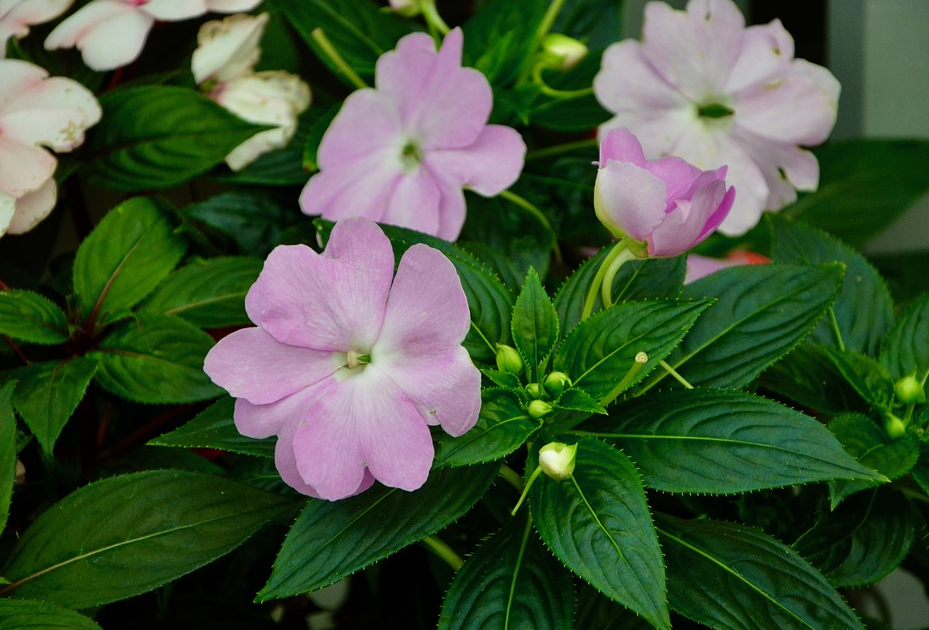
Causes of Root Rot in Impatiens, Solutions, and a Guide to Safe Overwintering
Impatiens, also called touch-me-not, loves sunlight, fears moisture, tolerates heat but not cold, has strong vitality and good adaptability, and generally suffers from few pests and diseases. But home-grown impatiens sometimes develop root rot, so what causes impatiens root rot? What should you do about it? How do you overwinter them safely? Causes of root rot in impatiens
条件筛选