-
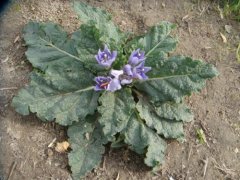
Do Mandrakes Really Exist? An Analysis of Their Appearance and Garden Planting Safety
Long absent from American ornamental gardens, the mandrake (Mandrake officinarum), also known as the Satan's apple, is making a comeback, thanks in part to the Harry Potter books and films. Mandrake plants bloom in spring with lovely blue and white flowers, and in late summer the plant produces attractive (but inedible) red-orange berries.
-
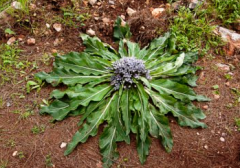
What Kind of Plant Is Mandrake? Planting Methods and Precautions
Growing mandrake is a way to add history and myth to your garden. Known since ancient times, this Mediterranean native has long been used as a medicine and feared for its association with the devil and deadly roots -- the plant is poisonous. Mandrake division is a way to propagate this plant
-

What plant is Qinghai mandrake? A guide to mandrake
Scientific name: Mandragora chinhaiebsis Family and genus: Solanaceae, Mandragora Genus Blooming period: May-June Distribution: Grows on riverside grasslands at an altitude of 3650-4000 m, or in rock crevices, under forests, etc. Distributed in Qinghai and Tibet. Introduction: Perennial herbaceous plant. Roots fleshy, much branched. Rhizome shortened, densely covered with scale-like leaves; stems 3-6 cm tall. Leaves clustered at the top of the stem, oblong or spatulate-oblong, 3-6 cm long, about 1.5 cm wide. 5
条件筛选