Do Mandrakes Really Exist? An Analysis of Their Appearance and Garden Planting Safety
Long absent from American ornamental gardens, the mandrake (Mandrake officinarum), also known as the Satan's apple, is making a comeback, thanks in part to the Harry Potter books and films. Mandrake plants bloom in spring with lovely blue and white flowers, and in late summer the plant produces attractive (but inedible) red-orange berries.
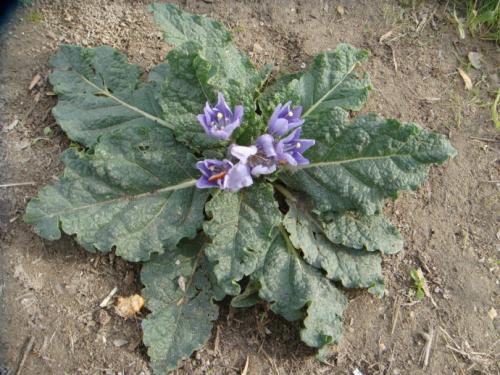
What Is a Mandrake Plant? The wrinkled and crisp mandrake leaves may remind you of tobacco leaves. They grow to 16 inches long, but lie flat on the ground, so the plant reaches a height of only 2 to 6 inches. In spring, flowers bloom at the center of the plant. Berries appear in late summer. Mandrake roots can grow up to 4 feet long and sometimes closely resemble a human figure.
This resemblance, along with the fact that eating parts of the plant brings on hallucinations, has led to a rich tradition of folklore and occultism. Several ancient spiritual texts mention the properties of the mandrake, and it is still used today in contemporary pagan traditions such as witchcraft and Odinism. Like many members of the nightshade family, mandrake is poisonous. It should only be used under professional supervision.
Mandrake Information Mandrake is quite hardy in USDA zones 6 to 8. Planting mandrake in deep soil is easy; however, the roots will rot in poorly drained or clay soil. Mandrake needs full sun or partial shade. It takes about two years for the plant to become established and bear fruit. During this time, keep the soil well watered and feed the plant once a year with a pile of compost
. Never plant mandrake where children play or in a food garden where it might be mistaken for an edible plant. Perennial borders and the front of rock or alpine gardens are the best places for mandrake in the garden. In containers, the plant stays very small and never produces fruit. Propagate mandrake from offsets or seed, or by dividing the tubers. Collect seeds from overripe berries in autumn. Plant the seeds in containers so they are protected from winter weather. Transplant them into the garden after two years.