5 key points and taboos for bonsai care in summer, clever tips for safely getting through the summer
The scorching sun is like fire, and the high temperature of 38 degrees has long exceeded the normal physiological temperature of plants, causing a large amount of water evaporation from the trunk body, with absorption less than consumption, resulting in an imbalance that damages the growth mechanisms of leaves and roots. At this time, two extremes are prone to appear: one is that the bonsai is scorched to death by the sun, and the other is that the bonsai is drowned by watering. Based on personal practical experience, for bonsai care in this fiery summer, 5 key care points and taboo tips are shared here for everyone to learn from.
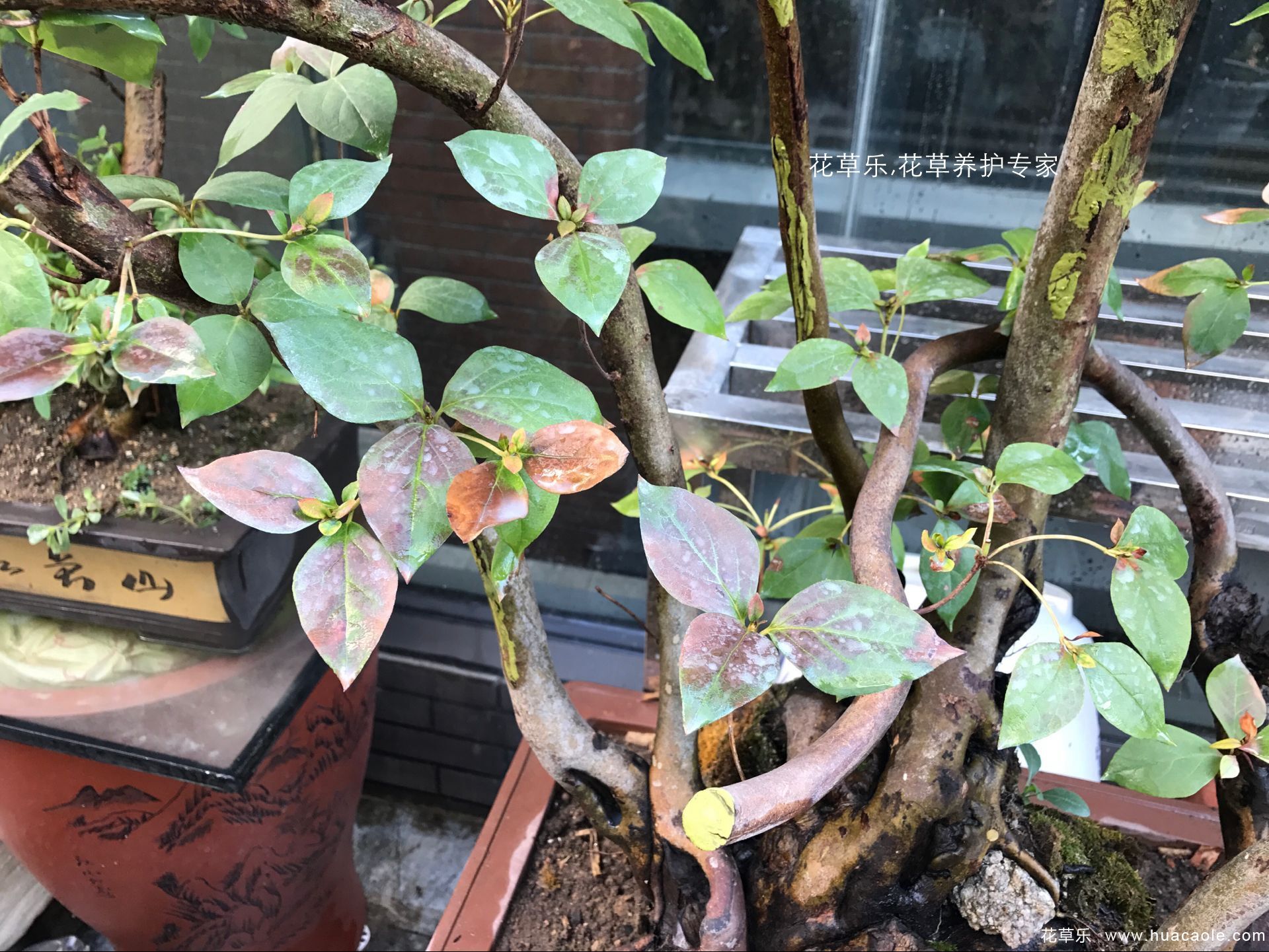
5 key care points and taboo tips to keep your bonsai alive in summer
1. Shade the sun and block direct strong sunlight
If the space and environment allow, put up a shade cloth. It can effectively block direct strong sunlight. Some flower lovers, to avoid high-temperature damage, move the bonsai to a low-light, lower-temperature area, such as indoors or a cooler area, but this is also not good for the growth of the bonsai. In such an environment, within a few days, the leaves will naturally fall off, and the tree stump will shrink and die.
2. Four key points for watering bonsai in summer:
Many beginners, seeing flowers dried and yellowed by the strong sun, get anxious and keep watering frantically. The master says that those who know how to grow flowers let them die of drought, while those who do not know how to grow flowers drown them with watering. In fact, the knowledge of watering bonsai is very deep. Generally speaking, in summer, watering should pay attention to the following four points:
1. When watering in summer, you must master the pot soil and water temperature well, and water again when the water temperature is the same as or close to the soil temperature and air temperature.
2. Regarding the water quality for watering, tap water contains a lot of chlorine, so it is best not to water flowers directly with it. Rainwater, river water, pond water, and water from rockery fish ponds are better. If tap water is used, it must be left in the sun for a few days to let the chlorine in the water dissipate before watering. Water containing soap, saline-alkaline water, and chemically polluted water must never be used to water flowers or bonsai.
3. On clear days, besides watering thoroughly once in the morning and once in the evening each day, supplementary spraying and watering should be done around noon. In addition to spraying the leaf surfaces, pot surface, and trunk body, the ground around the pot and stump should also be sprayed often to maintain air humidity around the pot, so as to prevent yellow leaves, dry leaves, and scorched leaves on the potted stump. Do not water on consecutive rainy days, and there must be no water accumulation in the pot, so as to prevent long-term water accumulation from rotting the roots and causing the death of the stump.
4. Water according to the size, depth, and material of the bonsai pot. For bonsai in small and shallow pots, water more frequently. For large and deep pots, the pot soil contains more water and cannot evaporate thoroughly for a time, so water correspondingly less often. Clay pots have good water permeability, the pot soil evaporates easily and dries easily, so watering should be more frequent and the amount of water should also be larger. For ceramic pots, stone pots, glazed pots, and plastic pots, the pot walls are not breathable and not permeable, and the pot soil does not dry easily, so watering should be less frequent and the amount of water should also be smaller.
3. Special precautions for fertilizing in midsummer
Under high temperatures, bonsai leaves lose water quickly, and the pot soil dries quickly. Fertilizing at this moment will make the cell sap concentration of the potted stump lower than the concentration of the external environment, causing the plant cells in the pot to have their water flow back into the soil, and the bonsai stump will die from water loss caused by fertilizing. If fertilizing must be done, it must be light fertilizer applied frequently, to avoid fertilizer water burning the roots and causing death.
4. Pruning precautions
When flower lovers see the weather is hot, they give the bonsai a major pruning to let the potted plant absorb less nutrients. In fact, the transpiration, heat dissipation, and regulation functions of the leaves of potted plants are extremely important. Once a major pruning is done, the water in the pot soil cannot be transpired, and the root system suffocates. In particular, pine bonsai must not be pruned or unwired; if the tree body is slightly damaged, pine resin flows, nutrients are consumed, and it is very easy to die.
5. Pests and diseases
Summer is the season when tree bonsai are most susceptible to insect disasters, so timely attention should be paid to the pests and diseases of bonsai for immediate prevention and control.
The above is provided by Huacaole.