Causes of Root Rot in Impatiens, Solutions, and a Guide to Safe Overwintering
Impatiens, also called touch-me-not, loves sunlight, fears moisture, tolerates heat but not cold, has strong vitality and good adaptability, and generally suffers from few pests and diseases. But home-grown impatiens sometimes develop root rot, so what causes impatiens root rot? What should you do about it? How do you overwinter them safely?
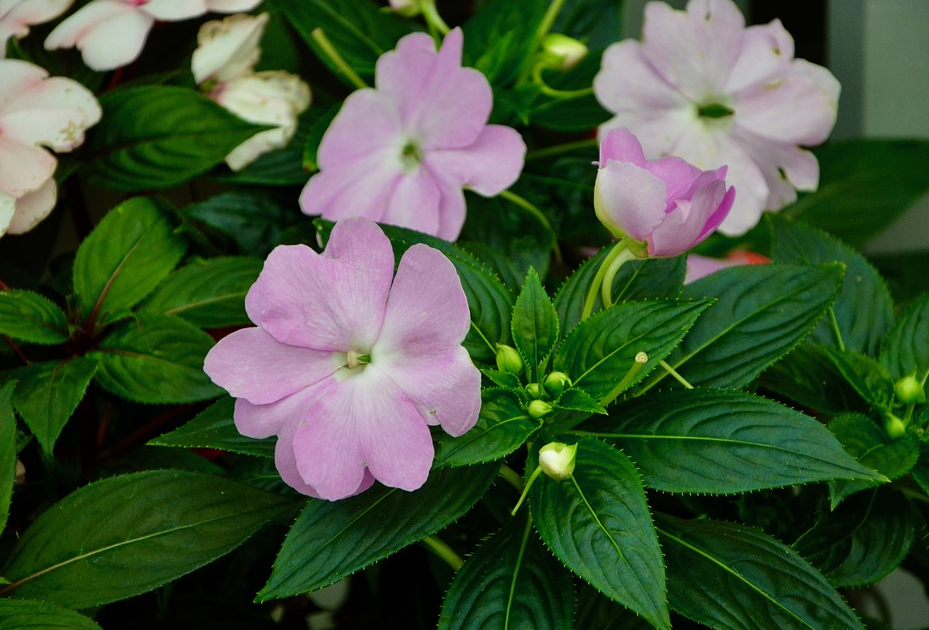
1. Causes of root rot in impatiens
1. Overwatering
Overwatering affects root growth and also causes waterlogging; once waterlogging occurs, root rot is an unavoidable problem.
2. Poor soil aeration
Poor soil aeration prevents the roots from breathing, and if they cannot absorb nutrients the roots will rot. If there is standing water in the potting soil that cannot drain away, it will also cause root rot.
3. High fertilizer concentration
When fertilizing impatiens, if the concentration is too high it will burn the roots, the root system will also turn black, and in severe cases it can even kill the whole plant.
2. Solutions for root rot in impatiens
1. Watering must be moderate; do not water excessively or too frequently, especially during the dormant period of impatiens, when you must control the amount of water and wait until the soil dries out before watering.
2. Change to soil with good aeration and drainage, so the roots can breathe normally and standing water in the potting soil can drain away faster.
3. Control the amount of fertilizer and do not use too high a concentration; you should apply light fertilizer frequently. If too much fertilizer is applied, increase the amount of watering so the excess fertilizer leaches out as quickly as possible. After discovering root rot, promptly cut off the rotted roots to prevent harm to more roots, then disinfect the roots and replant them.
3. Overwintering care for impatiens
1. Winter behavior
Impatiens is very intolerant of cold. Generally the seeds mature in autumn, and then the whole plant gradually begins to wither. Once winter arrives, growth naturally stops completely and the aboveground parts also appear dead, meaning that at this point the impatiens has entered dormancy to protect itself.
2. Light management
Impatiens likes light and prefers a warm environment. Whether grown indoors in pots or planted in a courtyard, it is best to choose a sunny spot. In winter, do not think your impatiens no longer needs care and just put it, pot and all, in a dark place; that is not the right approach. Even during dormancy, impatiens must have sufficient light, so that when winter passes and spring arrives, it will still sprout and still bloom.
3. Water management
Impatiens has very tenacious vitality and usually does not require too much effort from growers, but in winter there is one point to pay special attention to: although light should still be kept as plentiful as in other seasons, water does not need to be. Because impatiens in dormancy stops growing and its aboveground parts completely wither, only the roots need a small amount of water, so growers must remember never to overwater; either do not water at all, or, when the potting soil is really extremely dry, water just a little.
Impatiens grown outdoors will completely wither in winter, and the seeds that fall below may sprout on their own the following spring!