-

How to Grow Chestnut Pumpkin: Do Pumpkins Need Pollination? Controlling Pumpkin Powdery Mildew
To grow chestnut pumpkin, the seeds must first be sterilized, then kept warm to promote sprouting, then placed in a seedling pot filled with potting soil. Once the cotyledons and two true leaves have grown, they can be transplanted. They sprout in one week; plant them into a seedling pot, and after another week or so, transplant them into
-
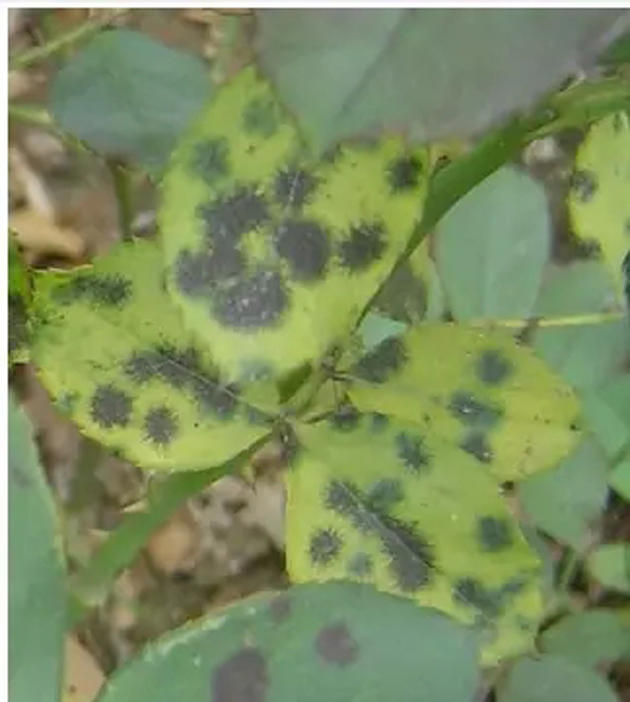
Illustrated Guide to Identifying and Controlling Aphids, Thrips, and Spider Mites on Roses
Speaking of roses, they are a plant that many people love to grow, and their blooms are truly beautiful. But when growing roses in cloudy and rainy seasons, the pests and diseases are really overwhelming. The worst part is not being able to recognize these pests. How do you identify these pests and how do you control them?
-
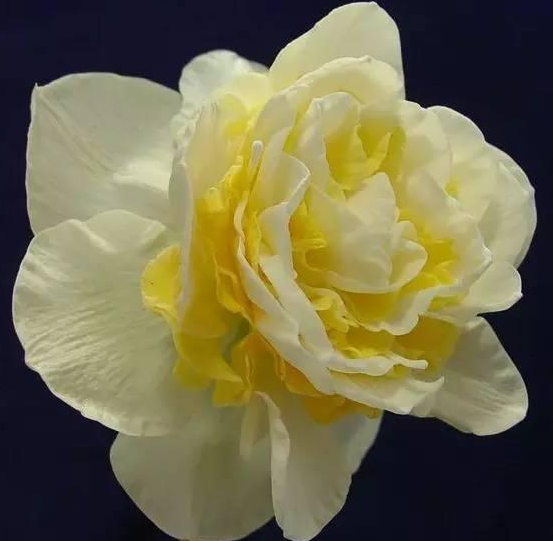
Narcissus hydroponic growing methods and techniques for controlling winter flowering time
When it comes to this narcissus, it is also very beautiful, and many people like it very much. Narcissus can be grown hydroponically or in soil. Let's see what the hydroponic method for narcissus is like? Does narcissus bloom in winter? How to control the flowering time of narcissus: Hydroponic method for narcissus: Cultivate with the shallow basin water immersion method
-
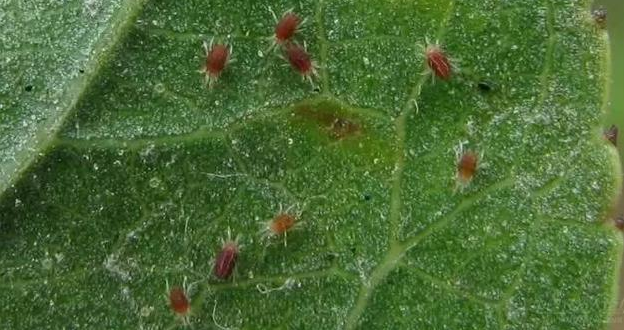
What pesticides are effective for controlling red spider mites, thrips, and whiteflies?
Growing flowers is not so easy; plants can get sick too. How do you deal with red spider mites, thrips, and whiteflies? What pesticides work best for red spider mites, thrips, and whiteflies: Red spider mite treatment methods: (1) If only a few leaves have red spider mites, you can remove the infested leaves. (2) If there are quite a lot, then use pesticides.
-
Which pesticides work well for controlling underground pests in sweet potatoes
When sweet potatoes are damaged by underground pests, the consequences can be very serious. In production, we must promptly adopt the following methods for toxic control, as this can increase yield and quality and reduce the damage suffered by sweet potatoes. The first is drenching with tea seed cake liquid. Tea seed cake liquid
-
Detailed Explanation of Key Technical Points for Controlling Two Diseases and Three Pests of Rice
The two diseases and three pests of rice refer to rice blast, sheath blight, rice stem borers, rice planthoppers, and the rice red-spotted black spittlebug. They cause great harm to rice and should be given attention for control. Rice blast: Long-term deep water irrigation or excessive drought, and one-sided application of nitrogen fertilizer lead to severe rice blast. There are three susceptible periods in the life of rice, namely the seedling stage, the peak tillering stage, and the heading and full heading stage. Neck blast has the greatest impact on rice yield and should be prevented early at the breaking stage and full heading stage. Rice blast is divided into: seedling blast, leaf blast, node blast, neck blast, and grain blast. Rice blast
-
Methods and Technical Key Points for Controlling the White-Backed Planthopper in Rice
Damage symptoms: Adults and nymphs gather in colonies at the base of rice plants and pierce and suck the sap, causing the leaf tips of rice leaves to lose green and turn yellow, and in severe cases the whole plant withers and dies. Damage during the heading stage can also cause difficulty in heading, blighted panicles, or browning of the panicles, along with many empty grains and other damage symptoms. Morphological characteristics: Adults have two forms, the long-winged type and the short-winged type. The long-winged adult is 4-5 mm long, grayish yellow, with a rather narrow vertex projecting in front of the compound eyes; the face has 3 raised longitudinal ridges, with the ridges light in color and the grooves dark, black and white sharply distinct; in the center of the scutellum on the thoracic dorsum grows a pentagonal white or bluish-white spot; in females the
-
Methods for preventing and controlling rice seedling stunting and key technical points
The main causes of rice seedling stunting are three types: phosphorus deficiency stunting, zinc deficiency stunting, and saline-alkali damage stunting. The main prevention and control methods are: 1. Phosphorus deficiency stunting generally occurs during the tillering stage after seedling recovery, manifesting as slow growth, short plants, slender and upright leaves, dark green leaf color, neat leaf cluster tips, significantly shortened leaf sheath distance, partial tillering, red leaf tips, and old leaves turning brownish-red or even dying. The main causes are (1) soil lacking available phosphorus; (2) low soil temperature, low water temperature, or soil containing hydrogen sulfide, ferrous iron
-
Detailed Methods for Controlling the Chinese Rice Grasshopper in Rice
Scientific name Oxya chinensis (Thunberg), belonging to the order Orthoptera, family Acrididae. It is distributed across the rice-growing regions of both northern and southern China. Its host plants include rice, wild rice stem (Zizania latifolia), and other grasses, as well as various plants in the Fabaceae, Convolvulaceae, Malvaceae, and Solanaceae families. Damage characteristics: adults and nymphs feed on leaves, causing notches; in severe cases the entire leaf is eaten away, leaving only the veins. Morphological features: adult male body length 15-33 mm, female 19-40 mm, yellow-green, brown-green, or green; the front margin of the forewing is green, the rest light brown; head is broad and large, oval; the vertex
-
What are the methods for controlling pests in off-season shiitake mushrooms?
Off-season cultivation of shiitake mushrooms refers to cultivation production in which shiitake mushrooms fruit from June to September. During this season, pests are rampant. If control measures are not adequate, yield and mushroom quality will be affected, so control should be strengthened. The main measures are: thoroughly clean up pest sources and thoroughly clean the toilets, chicken coops, and garbage piles around the mushroom shed. It is best if they can be relocated. If they cannot be relocated, regular pesticide spraying for pest control can be carried out. Particular attention should be paid to eggs in large manure piles. Among them, eggs of fungus gnats and manure flies can be killed through measures such as high-temperature fermentation and surface spraying. Shed
条件筛选