-
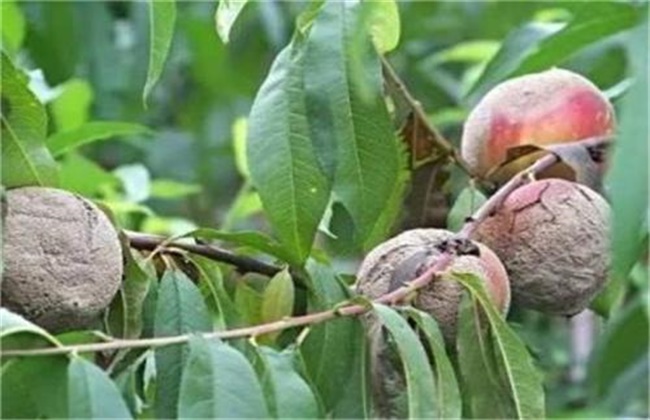
Detailed Guide to Controlling Common Diseases of Yellow Peaches
Control Techniques for Common Diseases of Yellow Peaches
-
-

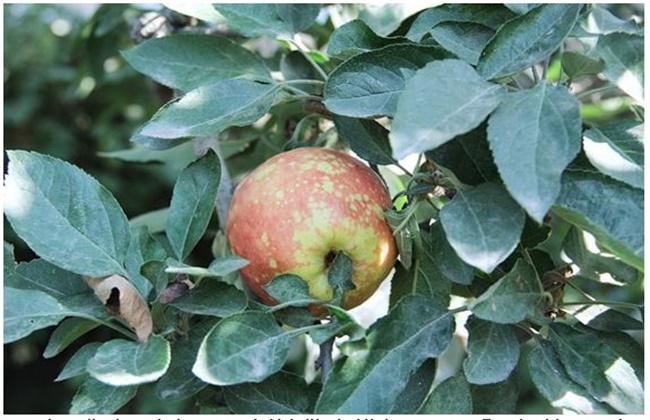
Detailed Guide to Identifying and Controlling the Green Peach Aphid
The green peach aphid (Myzus persicae) causes extremely widespread damage. Adults and nymphs gather in groups on the undersides of leaves and on tender shoots to suck sap. Infested leaves curl irregularly toward the underside, which affects the growth of new shoots on peach trees and spreads viruses. The green peach aphid can damage more than 300 species of plants, making it one of the most difficult pests to control. Winged viviparous females are green or yellow-green; brown and reddish-brown forms also occur, with colors varying according to the host; wingless viviparous females are green, yellow-green, apricot-yellow, and reddish-brown; nymphs are small and pale red; eggs are mostly laid on the host's shoot tips, bud axils, and small branch forks
-
Detailed Guide to Identifying and Controlling Peach Aphids on Peach Trees
The peach aphid, also known as the peach red aphid, cabbage aphid, or greasy bug, among other names. Its main hosts include broccoli, purple cabbage, cauliflower, Chinese cabbage, radish and other cruciferous vegetables as well as other vegetables. Adults and nymphs pierce and suck sap on the leaves, causing the leaves to curl and deform, affecting head formation. They damage the tender stems, tender leaves, flower stalks and tender pods of seed-producing plants, causing the flower stalks to twist and become deformed, so they cannot bolt, flower and set seed normally. In addition, aphids also transmit a variety of viral diseases. Occurrence characteristics: generation overlap is extremely severe. In heated greenhouses, they reproduce parthenogenetically on vegetables throughout the year. In the open field: in late April of the following spring
-
Methods and Key Technical Points for Controlling Peach Shoot Growth and Promoting Flower Formation
Many peach growers have called to ask how to stop peach shoot growth and form more flower buds. The main factor affecting flower bud differentiation is the conflict between reproductive growth and vegetative growth. When vegetative growth is too vigorous, it seriously affects reproductive growth, that is, flower bud differentiation. Therefore, during the flower bud differentiation period (late May to before leaf fall), attention must be paid to the balance between the two in order to ensure normal flower bud differentiation. 1. From late May to June, pinch off the shoot tips at the 10-12 leaf position on autumn shoots to promote flower bud differentiation and branching, or spray Shoot Control Ling (Kongshao Ling).
-

Detailed Guide to Identifying and Controlling Common Strawberry Diseases
Common Strawberry Diseases and Their Control
-
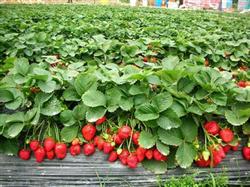
Detailed Guide to Identifying and Controlling Common Strawberry Pests and Diseases
Strawberries are grown under plastic film in greenhouses, where the high temperature and high humidity inside the greenhouse create even more favorable conditions for the occurrence of pests and diseases. The common pests and diseases of strawberry and their control measures are described below: I. Common diseases 1. Leaf spot. It mainly damages leaves, and the typical symptom is gray or grayish-brown round spots centered on the lesion, with purple...
-
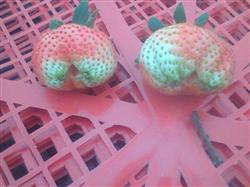
What are the methods for preventing and controlling deformed strawberries in greenhouses?
Using greenhouse cultivation is a good way to increase strawberry yields and income. However, because greenhouse cultivation is highly technical, especially during winter and early spring, when temperatures are low, light is weak, and the climate is changeable, improper management often leads to many abnormal fruits that are too thin, too fat, curved, flat in shape, or uneven on the surface...
-
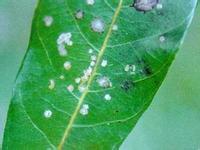
Methods for Controlling Pests and Diseases of Lychee and Longan in Autumn and Winter
I. Pest species during the autumn shoot stage and their control. Autumn shoots are next year's fruiting branches; if they are eaten bare by pests, it will seriously affect next year's flower bud formation. The main pests of autumn shoots are leaf-eating types, including various geometrid moths and various leaf-rolling insects. Among them, the eriophyid mite (felt disease) and the longan psyllid, etc., cause the most serious damage from September to November each year...
-

What are the common methods for controlling pests and diseases in Hami melons?
Common pest and disease control methods for Hami melons
条件筛选