Narcissus hydroponic growing methods and techniques for controlling winter flowering time
When it comes to this narcissus, it is also very beautiful, and many people like it very much. Narcissus can be grown hydroponically or in soil. Let's see what the hydroponic method for narcissus is like? Does narcissus bloom in winter? How to control the flowering time of narcissus:
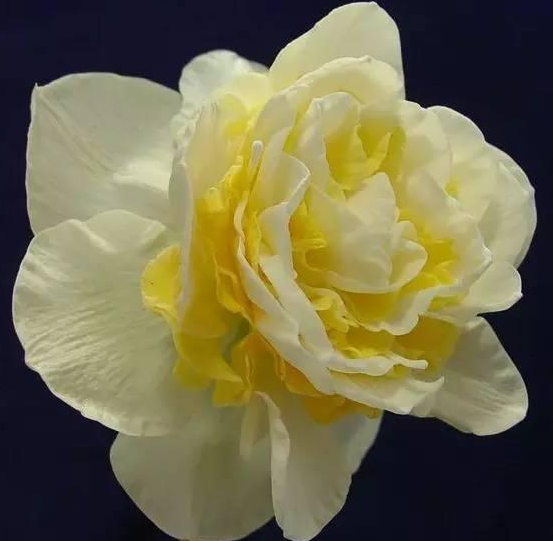
Hydroponic method for narcissus:
1. Cultivate with the shallow basin water immersion method
Place the pre-sprouted narcissus upright in a shallow narcissus basin, and add water until it submerges one third of the bulb. Quartz sand, pebbles, and the like can be used in the basin to fix the bulb in place.
During the day, the narcissus basin should be placed in a place with plenty of sunlight, and at night it should be moved indoors, and the water in the basin should be poured out to control excessive leaf growth. The next morning, add clean water again, and be careful not to change the direction of the bulb. When first potted, narcissus can have its water changed once a day, then once every 2-3 days afterward, and once a week after the flower buds form. Narcissus grows well in a 10-15 degree environment, and can bloom in about 45 days, with the flowering period lasting more than a month.
2. During the water culture period of narcissus
In particular, it is necessary to provide sufficient light. During the day, place it in a sunny spot, and at night it can be placed under lamplight. This can prevent the stems and leaves of the narcissus from growing excessively, making the narcissus leaves short, wide, and thick, sturdy, with a deep green leaf color and fragrant flowers. Generally, no fertilizer is needed for water-cultured narcissus. If conditions permit, applying a little quick-acting phosphorus fertilizer during the flowering period can make the flowers bloom better.
3. Growing narcissus requires no flower fertilizer at all; clean water alone is enough.
To make the narcissus grow robustly, it should be taken to the balcony to bask in the sun during the day. If you want to delay the flowering period, you can adopt the method of lowering the water temperature, or pour out all the water in the basin in the evening and then add clean water again early the next morning. In addition, if plump flower buds cannot be seen 10 days before the festival, you can use the method of warming the water to force flowering, and the water temperature should preferably be close to body temperature.
As long as you master the conditions for narcissus care, you can make "flowers bloom as one wishes"; otherwise, flowering will be delayed, or there will even be only leaf growth and no flowers.
Conditions for whether narcissus blooms in winter:
1. The suitable temperature is 12-15°C.
2. Add clean water to 2/3 of the bulb. When first potted, change the water once a day with sun-dried tap water, and before flowering, this can be changed to once every 2-3 days.
3. It can survive without stones, and warm water can be appropriately added to force flowering, with the water temperature preferably close to body temperature.
4. At night, it can be placed indoors. The sap of the narcissus bulb is toxic and contains lycorine, which is used as a surgical analgesic; the bulb can be mashed and applied to treat carbuncles and swelling.
5. If the room temperature is kept at 15°C, it will bloom in 28-30 days; if the room temperature is 18-20°C, it can bloom in 23-25 days. In the Pearl River Delta region, the room temperature from mid-January to mid-February is about 16-20°C, so under normal circumstances it can bloom in 20-25 days.
How to control the flowering time of narcissus:
Under conditions of sufficient light and clean water supply, when the indoor temperature is 12-15°C, narcissus takes about 40 days from soaking to flowering; when the room temperature is around 18°C, it takes about 30 days; when the room temperature is 20°C, it takes only 25 days to bloom.
That is all for the introduction to the hydroponic method of narcissus. If you want narcissus to bloom in winter, this also requires conditions, and the flowering time of narcissus can also be controlled through some external factors.
Hydroponic method for narcissus
Hydroponic method for narcissus: Before the Spring Festival every year, many friends may have already started growing narcissus bulbs. How can narcissus be grown well?
The key to water-culturing narcissus lies in properly controlling water, temperature, and light. First soak the carved narcissus bulb in water for one to two days, wash away the mucus from the wounds, then move it into a porcelain basin, place small stones or sand around it to fix it in place, add water, and plant it, but do not use too many small stones; it is enough if they can fix it in place. Change the water once every 1-2 days. In order not to damage its roots, generally use the flushing method to change the water, washing away the impurities in the basin. After the flower bulb is soaked and cultivated, it is suitable for growing at a temperature of 15-20°C. At 15°C, it takes 28 days to bloom. If at 24°C, it takes only 20 days to bloom. In Guangzhou, from the time narcissus is placed in water to full bloom, it takes about 21 to 25 days. If the 2002 Spring Festival was 8 days before the Beginning of Spring, the temperature might have been relatively low, and it was estimated that narcissus would bloom only in 26 or 27 days. Therefore, when planting narcissus, it should have been on January 15 or 16, 2002. If grown in mud, development is slower, so it should be 4 or 5 days earlier. For a narcissus with a rounded head, if by January 28 the flower buds appear in the middle of the leaf axils, it indicates that it may bloom in time for the festival. If the flower buds are not exposed until February 4, then corresponding technical measures should be adopted: First, place it in the sun during the day and under an incandescent light bulb at night to extend the lighting time, or place it beside a stove. Second, pour warm water below 40°C into the basin twice, morning and evening, to promote its growth. If the narcissus is planted too early or encounters warmer weather, then after watering it every day, pour away the water in the basin, leaving only a small amount to nourish its roots, or add ice cubes and place it in a cool place to inhibit its growth.
Narcissus needs abundant sunlight. With daily exposure to the sun, the leaves are short and the flowers are tall, and the leaves are emerald green. With insufficient sunlight, the leaves are tall and the flowers are short, the leaf color is yellowish, and it easily falls over. Water-cultured narcissus does not need fertilizer; if too much fertilizer is applied, the roots will rot.
Hydroponic method for narcissus
Actually, hydroponic narcissus is very simple. It only needs a flowerpot, some water, and some narcissus. When the sunlight is very good, you can put them in the sun to bask, but at night you must definitely bring them back home and pour out all the water inside, otherwise they may only grow leaves and not bloom.
Wait until the next day, then add clean water again. You can change the water once every 3 days. After flower buds gradually emerge, you can add some water every 5-6 days. After about 45 days, the narcissus will bloom.
Although growing narcissus is very simple, there are also many points to note! If you do not remember these precautions, the flowers you grow may very likely not look good, or may even cause the narcissus to be unable to bloom!