-
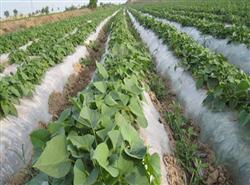
Properly controlling excessive vine growth in sweet potatoes can promote high yields
Sweet potato is a crop with high and stable yields. It has the characteristics of wide adaptability, strong stress resistance, drought and barren tolerance, and relatively few pests and diseases. When planted in places with good water and fertilizer conditions, it can generally yield 2000--3000 kg per mu. However, due to differences in natural conditions and cultivation levels, the yield per unit area is also extremely uneven. In order to fully...
-
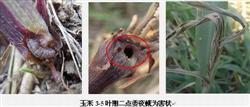
Technical key points for controlling the two-spotted field noctuid moth (Athetis lepigone) during the seedling stage of summer corn
The two-spotted field noctuid moth is a newly emerged pest in summer corn production areas in China. Returning wheat straw to the field provides an excellent environment for the two-spotted field noctuid moth to choose hidden, moist places for laying eggs and hatching. Once the larval peak period coincides with the corn seedling stage and suitable rainfall occurs, it may cause serious damage. The two-spotted field noctuid moth's...
-
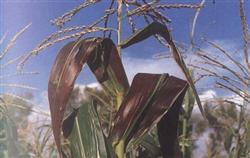
How can corn red leaf disease be controlled effectively?
Symptoms: When improved varieties bred with Huangzaosi encounter low temperatures and rainy, overcast weather during the grain-filling stage, their leaves turn red, which is called red leaf disease. Cause: The occurrence of this disease is related to the fast grain-filling of this variety. When large amounts of synthesized sugars cannot be quickly converted due to metabolic disorders, they become anthocyanins, and the green leaves turn red. Control methods: (1) In areas where it occurs severely, do not...
-
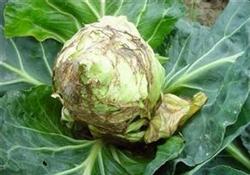
How should sclerotinia rot in cabbage be prevented and controlled?
Answer: Low temperatures in early spring and many days with little sunlight favor the occurrence of sclerotinia rot in cabbage. After the plant becomes infected, water-soaked lesions appear first, then turn into white lesions, and in severe cases cause the plant to rot. Prevention and control methods: 1. Agricultural control. Before sowing, rinse the seeds with 10% salt water or 10%-20% ammonium sulfate solution, then dry them and sow. ...
-
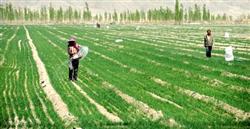
Spring management of wheat: focus on preventing and controlling the four major harms
How to manage the first spring irrigation and fertilization of wheat? The first spring irrigation and spring fertilization have a great impact on wheat yield. For example: if the wheat is too dense, too sparse, or lodging occurs in the later growth stage, it indicates that the timing of the first spring fertilization and irrigation was problematic. Another example: if the wheat stays green and ripens late, and the grains are shriveled and thin, that indicates your spring water and fertilizer use...
-

The 9 Handscrolls with the Highest Achievements in Chinese Calligraphy
"Pingfu Tie" (Recovering from Illness), ink on ivory-colored hemp paper, 9 lines and 84 characters. "Pingfu Tie" was written in the Western Jin Dynasty and is the earliest surviving model calligraphy by a renowned master, as well as the first calligraphy ink trace in history with a documented chain of transmission. It enjoys the reputation of being the "ancestor of model calligraphy." It has been appraised...
-
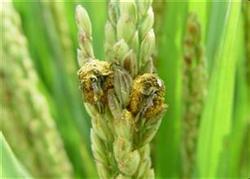
What are the key technical points for controlling rice false smut?
Rice is susceptible to infection during the heading and flowering stage, and the pathogen damages some grains on the panicle. At first, a pale yellow-green mass appears at the seam of the glumes, gradually expands, and finally covers the entire glume shell. It is 3-4 times larger than a healthy grain, dark green, with a smooth surface, and later splits open, releasing dark green powder. Weather is closely related to the occurrence of rice false smut;...
-
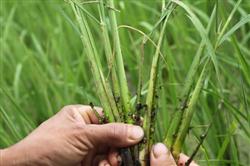
Key Technical Points for Controlling Diseases, Pests and Weeds in the Field After Rice Seedling Broadcasting
Southern rice black-streaked dwarf disease is a viral disease mainly transmitted by the white-backed planthopper. It mainly harms staple grain crops such as rice and corn. Once a crop is infected, the plant becomes stunted, tillering increases, and in the later growth stage the diseased rice cannot head or set grain, sometimes resulting in a complete loss of harvest, seriously threatening the safety of our county's grain production. In order to scientifically...
-
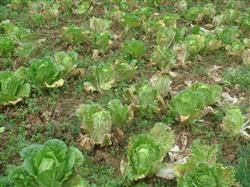
What Fungicide Works Best for Controlling Chinese Cabbage Root Rot
Causes of the Disease: Chinese cabbage downy mildew is a fungal disease that mainly affects the leaves, though the stems and flowers can also be affected. After infection, water-soaked chlorotic spots appear on the upper surface of the leaves, later turning yellowish-brown. As the lesions expand, they are often restricted by the leaf veins and become angular in shape. When the weather is humid, a sparse white mold layer forms on the underside of the leaves, and the disease...
-
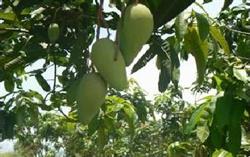
Which fungicide is effective for controlling mango stem-end rot
1 Site conditions Meizhou is located in the mountainous area of eastern Guangdong, with an annual rainfall of 1800mm, an average annual temperature of 21°C, 2031 annual sunshine hours, and an extreme minimum temperature of -2.6°C. The planting site is hillside land, sandy soil, poor and thin soil, pH 4.5, organic matter 1.65%, total nitrogen 0.083mg/kg, hydrolyzable nitrogen 112mg/kg, phosphorus pentoxide 0....
条件筛选