-
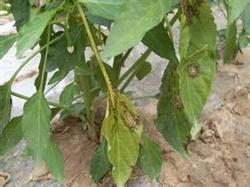
Detailed Guide to Identifying and Controlling Phytophthora Blight in Peppers
Control methods: 1. Phytophthora blight in peppers mainly damages leaves, fruits and stems, and is most likely to occur at the base of the stem. When the disease occurs at the seedling stage, infection mostly starts from the base of the stem; the affected part shows water-soaked soft rot, the lesion is dark green, and the plant lodges above the diseased part. Control methods: 1. Practice crop rotation and deep plowing to improve the soil, and combine...
-
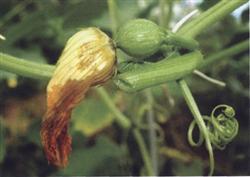
What fungicides are effective for controlling flower rot in pumpkins?
Symptoms: Also known as fruit rot. It commonly occurs in open fields and protected cultivation, and is especially severe in protected cultivation. In recent years, the damage has been on the rise, reducing yields by about 30%. When it attacks pumpkins, melons, and watermelons, it is called flower rot or fruit rot; when it attacks bottle gourd and zucchini, it is called brown rot, commonly known as rotten eggs. Flower rot attacks pumpkin flowers and young fruits, and diseased fruits become...
-
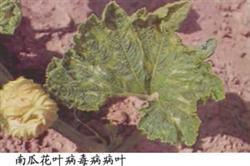
What pesticide is effective for controlling pumpkin mosaic virus disease?
Symptoms: Mainly manifested as uneven chlorophyll distribution, with yellow patches or mottled mosaic of alternating light and dark areas on the leaf surface, sometimes with increased chlorophyll concentration along the leaf veins, forming alternating dark green bands; in severe cases, the leaf surface becomes uneven and bumpy, with the veins wrinkled and deformed. Generally, symptoms on new leaves are more obvious than on old leaves. In severe cases, the stems and vines and terminal leaves become twisted and shrunken....
-

Detailed Guide to Identifying and Controlling Common Diseases and Pests of Cowpeas
Common Diseases and Pests of Cowpeas and Their Control
-

What are the common methods for controlling pests and diseases in Hami melons?
Common pest and disease control methods for Hami melons
-
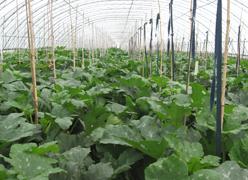
Key recent management focus for zucchini: controlling excessive vigor
Recently, when visiting the countryside, I saw that the zucchini grown in greenhouses by vegetable farmers was generally growing too vigorously, and the plants were setting fruit poorly. When asked why, many vegetable farmers told the reporter: "The weather forecast earlier said this year would be a cold winter, so we thought temperature control alone would be enough to manage plant growth well and avoid excessive vegetative growth. If we also used plant growth regulators, it would very likely seriously affect the growth of the zucchini, so we did not use regulators. But unexpectedly, although the outdoor temperature this year was not high, the weather was clear and fine, and the temperature inside the greenhouse was relatively high, which caused severe excessive growth of the zucchini."
-
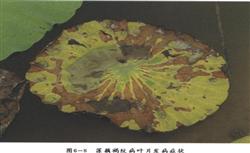
Detailed Guide to Identifying and Controlling Lotus Root Brown Streak Disease Symptoms and Control Methods
Lotus root brown streak disease is widely distributed and occurs in all regions, but it only harms lotus root. 1. Pathogen: This disease is caused by infection with fungi of the genus Alternaria in the Deuteromycotina. The pathogen overwinters in lotus fields as mycelium and chlamydospores with diseased plant residues, and produces conidia under high temperature and high humidity, spreading by wind and rain. 2. Symptoms...
-

Detailed Guide to Identifying and Controlling Common Hawthorn Diseases
Common Hawthorn Diseases and Their Control
-
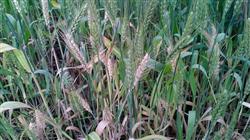
Wheat sharp eyespot must be controlled early in spring with thifluzamide
In recent years, the area of direct-seeded rice in northern Jiangsu and other places has been relatively large, resulting in a generally late wheat sowing period. To ensure the yield of late-sown wheat, the seeding rate is often greatly increased, with high-rate fields using 20-30 kg of seed per mu. The wheat seedlings in the field grow too densely, and as spring temperatures rise, the wheat quickly resumes growth, and the field canopy density...
-
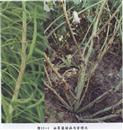
Broadleaf weeds during the rapeseed growing season can be controlled with herbicides
Rapeseed sclerotinia stem rot is one of the important diseases in rapeseed production. It can occur from the seedling stage to maturity, with damage to the stem being the most severe. Control methods: First, increase the application of phosphorus and potassium fertilizers and apply only a small amount of nitrogen fertilizer. At the same time, open drainage furrows to facilitate drainage, thin the seedlings properly, and maintain a reasonable density. Spray paclobutrazol to improve lodging resistance. A reasonable density...
条件筛选