-
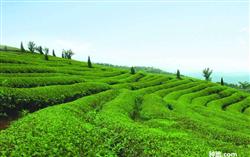
When are pesticides used during tea cultivation?
How is tea cultivated? For tea cultivation, you may refer to the following methods: (1) The purpose of tea garden management techniques is to prevent pesticide contamination caused by fertilization and pest, disease, weed and pest control in tea gardens, excessive chemical fertilizers, and contamination from the application of municipal waste, sludge, etc. a. Pest and disease control. Agricultural...
-
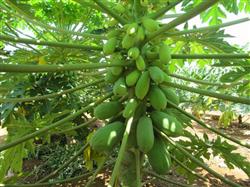
Papaya planting techniques: How do you plant and manage Xuan papaya (Chinese flowering quince)?
How do you plant and manage Xuan papaya (Chinese flowering quince)? Please provide guidance. For the planting and management of Xuan papaya (Chinese flowering quince), you can refer to the following: I. Land preparation and planting. 1. Site selection and land preparation. For the cutting seedbed, it is best to choose flat, sunny, fertile, loose, well-drained sandy soil, where cuttings root easily after insertion. There should be a water source near the seedbed for irrigation...
-
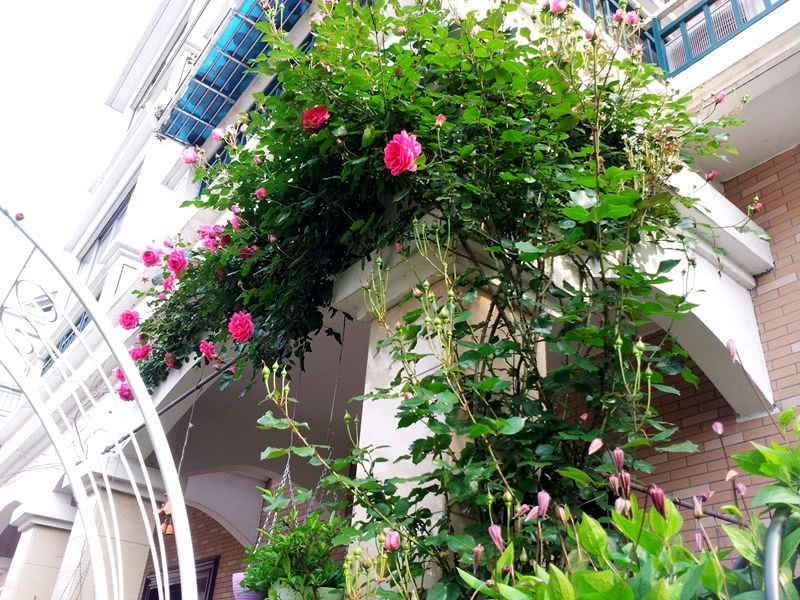
200 sq m courtyard garden photo sharing, bestie exclaimed it feels like strolling in a park
200 sq m "courtyard garden" photos, bestie: coming to your home is like visiting a park! Since childhood, the impression given is - quiet! Likes solitude, does not argue with others, does what she likes. Just like now, likes to write a little in spare time...
-
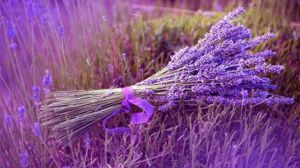
When does lavender bloom? An introduction to its flowering period
The lavender flowering period is generally from May to October, with the most abundant blooms in June-July. If you want to photograph or view them, this is the best time. During the flowering period, it should be given a cool environment so the flowering period will last longer. In addition, too much watering or long-term exposure to blazing sun will cause the flowers to wilt and shorten the flowering period. After flowering, diseased branches, dead branches, spent flowers, etc. need to be pruned off.
-
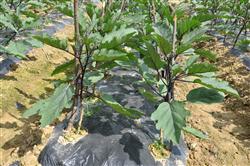
How should eggplants be managed during summer planting for the best results?
How should eggplants be managed well when planted in summer? Please explain. Summer eggplants, because their growing period falls in a season of high temperatures, frequent rain, and frequent pests, diseases, and weeds, have low and unstable yields. To achieve an ideal yield, the following field management measures should be carried out well: 1. Apply the "three" fertilizers properly: after the seedlings survive transplanting, apply a good seedling-promoting fertilizer, applying 1000 kg of 20% human excrement and urine per mu or applying 10-15 kg of compound fertilizer in holes; when the first eggplant fruit swells, apply a good first-fruit fertilizer, applying 1500 kg of human excrement and urine or applying 15 kg of compound fertilizer in holes; apply a good fruit-fattening fertilizer, applying 2000 kg of human excrement and urine or 20 kg of compound fertilizer when eggplants enter the fruiting stage.
-
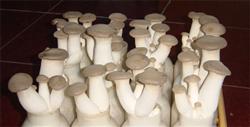
How should temperature be managed well during king oyster mushroom cultivation?
How should temperature be managed well during king oyster mushroom cultivation? Please give a detailed introduction. The king oyster mushroom (Pleurotus eryngii) is a medium-to-low-temperature, constant-temperature fruiting mushroom type. The optimum temperature for mycelial growth is 21-26°C, the fruiting body growth temperature is 8-20°C, and the optimum growth temperature is 12-16°C. Below 8°C, fruiting bodies are difficult to differentiate. In winter, the outdoor temperature is generally below 15°C,...
-
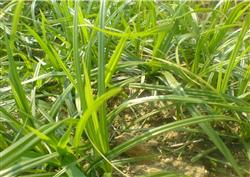
How to control weeds, pests and diseases during summer corn cultivation?
How to control weeds, pests and diseases when planting summer corn? Please explain: after sowing summer corn and before emergence, it is susceptible to damage from underground pests such as cutworms; at the seedling stage it faces damage from small brown planthoppers, Athetis lepigone, wireworms, thrips, aphids, etc.; at the grain-filling stage, major diseases such as stalk rot (green wilt), ear rot, leaf spot diseases and southern rust occur locally, and major pests such as corn borers and aphids cause severe damage; there may also be harmful organisms that cause corn lodging and stalk breakage, affecting corn yield and mechanized operations.
-
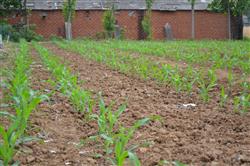
What problems should be prevented during the cultivation of summer corn?
What should be prevented when planting summer corn? Please note that the main things to prevent when planting summer corn are the following: First, prevent fertilizer deficiency. The high-yield characteristics of summer corn plants at the ear stage are thick stalks, short internodes, wide and thick leaves, strong and upright leaves, dark green leaf color, and a well-developed root system. If the leaves show a tendency to turn yellow at the ear stage, prevent late-stage fertilizer deficiency and premature aging....
-
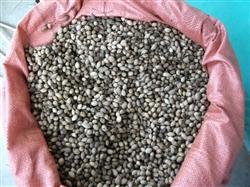
Detailed Explanation of Spring Seed Propagation Methods for Japanese Honeysuckle
Harvest black fruits in January. After harvesting, pile them at a thickness of 30 cm and let them undergo after-ripening for 5-7 days, then put them in clean water and rub and wash away the fruit skin and flesh, and dry them in a shaded place. Avoid direct sunlight, then winnow away the shriveled seeds and store them for later use. Seed treatment: before sowing, soak the seeds in warm water at 35-40°C for 24 hours, take them out and mix with...
-
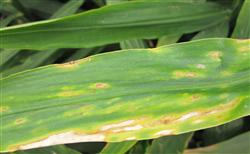
How to prevent and control leaf spot disease in ginger during hot and rainy seasons?
How to prevent and control leaf spot disease in large ginger during hot and rainy seasons? Please give an introduction to the methods. During the hot and rainy season, the occurrence of leaf spot disease in large ginger is on the rise, and prevention work for this disease currently needs to be done well. Ginger spot disease mainly damages leaves. Infected leaves develop yellow-white elliptical or irregular lesions, and in humid conditions scattered small black dots grow on the lesions...
条件筛选