-
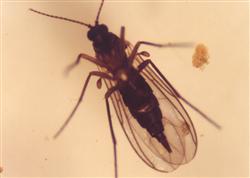
What pests need to be controlled during the cultivation of white fungus?
What pests need to be controlled when cultivating white fungus? Please explain the control methods. The pests that need to be controlled when cultivating white fungus are: 1. Fungus gnats, mainly small fungus gnats. Control measures: regularly clean up the environment and spread lime powder for disinfection; install screen mesh on doors and windows, and regularly spray pyrethrum liquid or 2000-fold dilution of Yitaibao on the mesh; install blacklight lamps inside the room to trap and kill them...
-
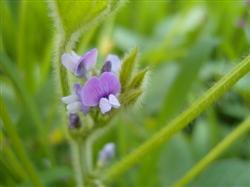
Key Management Techniques for Summer Soybean During the Flowering Stage
How should summer soybeans be managed during the flowering stage? Please provide guidance. Summer soybeans during the flowering stage can be managed by referring to the following methods: 1. Cultivation: In the late flowering stage of summer soybeans and when the plants enter the period of simultaneous vegetative and reproductive growth, temperatures are high, light is intense, and plants grow quickly, with the average plant height typically increasing by 2-... per day.
-
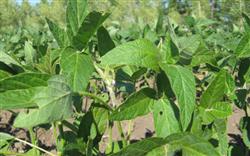
What are the management methods for summer soybean during the flowering and pod-setting stage?
How should summer soybean be managed during the flowering and pod-setting stage? Please provide guidance. During the flowering and pod-setting stage, soybean growth enters a vigorous period, and vegetative growth gradually reaches its peak; this is the period when soybean needs the most fertilizer and water in its entire life cycle. Sufficient fertilizer and water, strong light, and adequate carbon dioxide help promote soybean flowering and pod setting. Soybean yield...
-
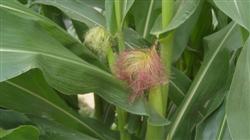
Key Management Techniques for Summer Corn During the Flowering and Grain-Filling Stage
How should summer corn be managed during the flowering and grain-filling stage? Please introduce the following methods that can be used for managing summer corn during the flowering and grain-filling stage: First, apply grain fertilizer judiciously: the so-called judicious application should be determined by the appearance of the plants in the field. In fields where the ear fertilizer is sufficient, the plants look good, the leaf color is dark green, and there is no sign of premature decline or fading, it may be omitted to avoid prolonging the growth period. If the ear fertilizer is insufficient and the plants show signs of nutrient deficiency, then grain fertilizer should be supplemented. The principle for applying grain fertilizer is "early rather than late." Generally, apply 5 kg of urea or 10-15 kg of ammonium bicarbonate per mu, by hole application at depth. A mixture of 1%-2% urea and 0.4%-0.5% potassium dihydrogen phosphate can also be used for foliar spraying, using 70-100 kg of solution per mu.
-
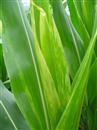
What should be done about yellow leaves appearing in summer-planted corn?
What should be done about yellow leaves in summer-planted corn? Please advise. Yellowing, lusterless corn leaves are caused by a deficiency of nitrogen in the corn plant and in the soil, or by damage from pests and diseases. Long-term yellowing of corn leaves often causes reproductive growth to advance, with tasseling too early, resulting in bald tips, and the corn plants becoming "old before their time," that is...
-
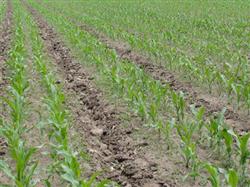
How to manage corn during the seedling stage? Key technical points explained in detail
How do you manage corn well during the seedling stage? Please advise. Corn seedling stage management mainly includes the following points for reference: 1. Prepare in advance for transplanting and filling in seedlings to ensure a full stand. After corn emerges, check the emergence situation in time, and if missing seedlings or broken rows are found, reseed or replant in time. Double plants can also be left nearby to remedy missing seedling spots...
-
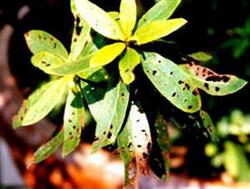
Disease Prevention and Control Methods for Azaleas in Spring and Summer
What diseases should azaleas be protected from in spring and summer? The diseases that azaleas are prone to in spring and summer include: (1) Black spot disease. If azaleas (including large-flowered azaleas and all types of Western azaleas) are placed in a stuffy, unventilated location and are kept in shade for a long time, then when humid weather occurs or when daily watering is excessive, this disease is easily triggered; it is...
-
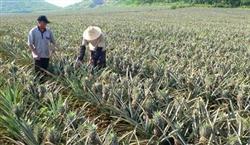
How to scientifically manage pineapple autumn fruit after flowering?
How to manage pineapple autumn fruit after flowering? Please explain in detail. For the management of pineapple autumn fruit after flowering, you can refer to the following methods: 1. Pineapple fertilization: apply more potassium fertilizer. Pineapples like potassium, and after flowering and fruiting they need even more potassium fertilizer: applying more potassium fertilizer after pineapple autumn fruit flowering can not only make the fruit expand rapidly and ripen fully, increase sugar content, raise yield and improve quality, but also enhance drought resistance, cold resistance, storage tolerance and transport tolerance = therefore.
-
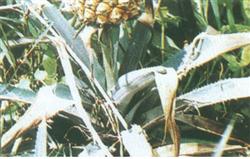
What pests and diseases occur during pineapple cultivation?
What diseases affect pineapple? How can pineapple diseases be well prevented and controlled? Please advise. The main pineapple diseases are: wilt disease, black rot and heart rot of seedlings; the damage and prevention and control methods of the following diseases can be seen in the list below. Damage and prevention and control methods of pineapple wilt disease: after the plant becomes diseased, the leaves soften and droop,...
-
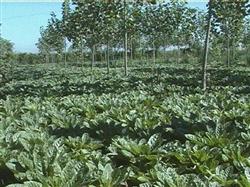
What are the management key points during Rehmannia cultivation?
What are the management key points for Rehmannia cultivation? Please share an introduction. There are several key points for Rehmannia cultivation management for reference: 1. Straw mulching: After sowing Rehmannia and covering with soil, cover the ridge surface with thatch or other crop straw. Mulching with straw can suppress weed growth and keep the soil loose. 2. Thinning: 20-30 days after emergence, remove excess seedlings during cultivating and weeding. The principle is to remove the inferior and keep the superior, leaving 1-2 seedlings per spot.
条件筛选