-
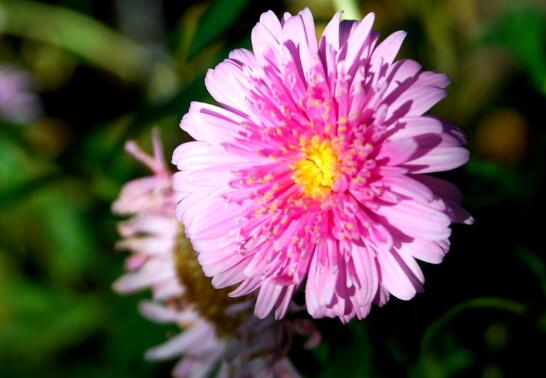
How to fertilize and water China asters? Remember to apply light fertilizer and avoid waterlogging
China aster is a highly ornamental flowering plant, and many people in China grow it, but to grow it well, there are many points to pay attention to, such as fertilizing and watering, which are especially key. So how do you fertilize China asters? How do you water China asters? Below, the editor will walk you through it.
-
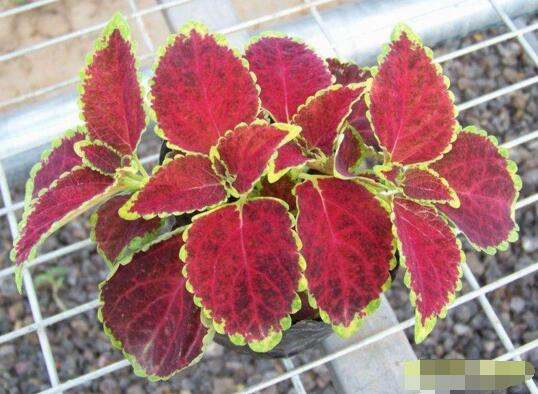
How does coleus get through the winter? Remember four tips: water less, stop fertilizing, increase light, control temperature
Because coleus is not a cold-tolerant plant, it needs proper care in winter to get through the winter smoothly. So how does coleus get through the winter? Besides the temperature not being too low, there are many other aspects that need attention. Let's take a look at how to grow coleus in winter
-
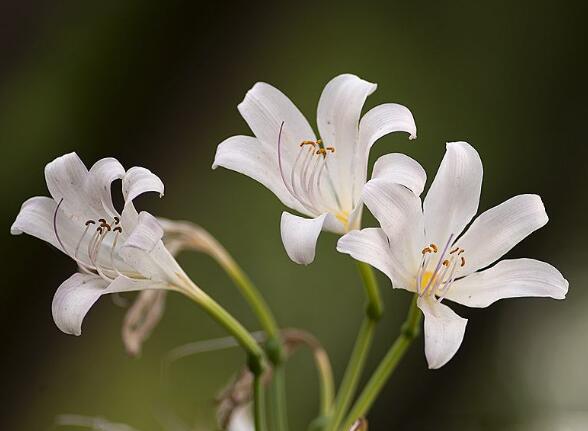
How to water Datura flowers? Remember the precautions such as avoiding waterlogging
Datura is a highly ornamental flower, but if you want it to be ornamental, you cannot be careless at all during the cultivation process. Only with proper care will it bloom brilliantly. In the process of cultivating Datura, watering is a relatively important part, so how do you water Datura?
-

How to fertilize crape myrtle flowers? Dilute the fertilizer first, and remember to apply thin fertilizer frequently
If you want crape myrtle flowers to grow vigorously, in addition to using the correct cultivation methods for crape myrtle flowers, fertilizing is also a very important point. Fertilizer is one of the main nutrients for plants during growth, so mastering the correct fertilizing method is very important. So how do you fertilize crape myrtle flowers? Below, the editor will take everyone to learn about it
-
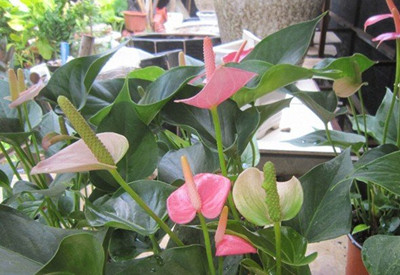
How to care for Anthurium? Remember these care tips
Anthurium is a perennial evergreen herbaceous flowering plant. It prefers a warm, humid environment with good drainage, and is afraid of drought and strong direct sunlight. The suitable daytime temperature for Anthurium growth is 26-32°C, and the nighttime temperature is 21-32°C. The highest temperature it can tolerate is 35°C, and the lowest temperature it can tolerate is 14°C
-

How to grow a peace lily? Growing methods and precautions, remember to fertilize regularly
When people hear "peace lily," they surely think of it as an auspicious idiom, but besides being an auspicious phrase, it is also a plant, commonly used for indoor greening and decorative display. A plant with such an auspicious meaning naturally makes many people want to grow it, so how do you grow a peace lily? Soil, light and other factors are essential
-

What to do when gardenia leaves turn yellow? Just remember these 7 points
Gardenia has a pleasant fragrance and lovely white flowers, making it a favorite of many gardeners. However, problems often arise during cultivation, such as yellowing leaves. So what should you do when gardenia leaves turn yellow? Outdoors, nature provides the best growing environment for gardenias, but indoors, we have to create it artificially.
-

How to Tell Peonies and Herbaceous Peonies Apart? Remember These Four Looks
It is said that neither tree peonies nor herbaceous peonies are flowers of the mortal world. In a certain year, when a plague struck the human realm, a jade maiden or the flower goddess stole the Queen Mother of the West's elixir and scattered it over the earth to save the people. As a result, some turned into the woody tree peony, and others into the herbaceous peony. The tree peony and the herbaceous peony are sister flowers similar in appearance, and through the ages they have been jointly called the two peerless flowers.
-
How to prevent and control mushroom wilting disease? Remember these eight key points
1. Early prevention in the substrate mix. When using corncobs, wheat straw, or rice straw as the main material, add 5% wheat bran or 4% fermented and decomposed livestock and poultry manure at the bottom; when using nitrogen-rich cottonseed hulls as the main material, no nitrogen source needs to be added, but attention must be paid to controlling mite damage, and spraying an 800-fold dilution of trichlorfon when mixing the substrate works very well. 2. Moderate acidity and alkalinity. The amount of lime added when mixing should reach 5%, and after each mushroom harvest, spray 1% lime water or 4% plant ash water to raise the pH. 3. Ventilation and air
-
How to harvest garlic scapes? Remember these four tips
In recent years, many scape farmers have changed the old cultivation method of growing green garlic and digging up green garlic for market into the cultivation method of harvesting garlic scapes and digging up garlic bulbs for market. Among them, many farmers, because they do not know how to harvest garlic scapes scientifically, either end up with poor-quality garlic scapes and low yields, or with small garlic bulbs and heavy yield reductions, and cannot achieve the best results in increasing production and income. To ensure harvesting high-quality, high-yield garlic scapes while also getting a bumper harvest of garlic bulbs, I will introduce to everyone the four "secrets" of scientifically harvesting garlic scapes. 1. Choose the right harvest time when the "scape tip" curves nearly a full circle. Garlic scapes must be harvested at the right time. Harvesting too early will
条件筛选