-

What are the pond-clearing methods? Remember these five before stocking fish fry
Before stocking fish fry, the aquaculture pond must be cleared to kill various predatory small wild trash fish, harmful aquatic animals and plants, parasite eggs, pathogenic bacteria, etc., creating a good environment for the growth of adult fish. The following five pond-clearing methods are introduced: 1. Clearing the pond with quicklime. When carrying out drainage pond clearing (that is, draining the pond water to a depth of 5-10 cm of remaining water before clearing), use 60-70 kg of quicklime per mu of pond; when clearing without draining, use 125-150 kg per mu of pond for every meter of water depth (200 ppm).
-
How to prevent and control jujube witches' broom? Remember these ten key points
Jujube witches' broom, also known as witches' broom disease, is a devastating disease of jujube trees. In infected jujube trees, the flowers degenerate and become deformed, the branches and leaves are small and clustered, and the leaves are wrinkled and do not spread out, causing a large number of plants to stagnate in growth or die. When preventing and controlling it, pay attention to the following ten key points: 1. Do a good job of quarantine at the nursery site. When developing a new jujube orchard, if propagating on site, the roots connected to the mother plant should be cut off as early as possible. Introduced seedlings must be strictly quarantined, root suckers from disease-free mother plants should be selected for propagation, and disease-free rootstocks and scions should be used for grafting, so as to ensure strict quarantine at the production site. 2. Pay attention to grafting and pruning wor
-
How to fertilize cotton scientifically? Remember these seven key points
1. Base the fertilization mainly on organic fertilizer and apply sufficient base fertilizer. When preparing the soil, promptly spray a disinfectant plus 800-fold Xingaozhimo solution to disinfect the soil, and apply sufficient base fertilizer, applying 2000-3000 kg of farmyard manure per mu, to improve the root system's ability to absorb nutrients, activate the soil, prevent compaction, and maintain the ecological balance in the rhizosphere. 2. Reduce the application of diammonium phosphate. Nitrogen, phosphorus, and potassium ternary compound fertilizer should be used, or 40 kg of a 15-15-15 nitrogen, phosphorus, and potassium compound fertilizer can be used as base fertilizer. When using compound fertilizer, combine it with spraying
-
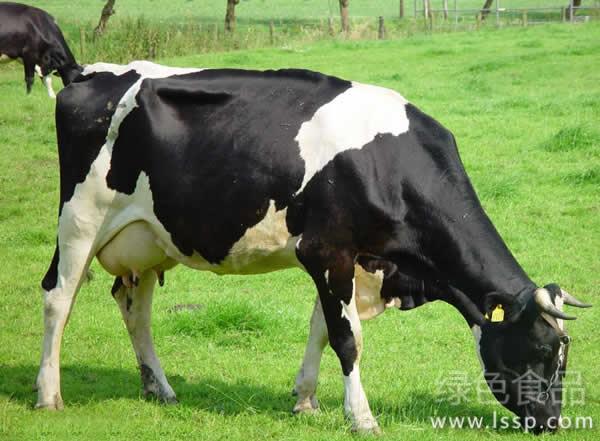
Dairy cows are prone to heat stress in high temperatures: five heat-relief and cooling measures to remember
Dairy cows easily suffer heat stress in high temperatures: five measures for heat relief and cooling in dairy cows
-
How do you identify sheep diseases? Remember these eight points to observe
With the adjustment of the structure of livestock breeds, Boer goat farming has become the first choice for farmers to get rich and reach a moderately prosperous life. Boer goats are an introduced breed, few in number and expensive. In addition to strengthening feeding management, the growth and activity of Boer goats should be observed frequently to ensure timely treatment in the early stage of illness and reduce losses. Generally, the following aspects are carefully observed and comprehensively judged to determine whether they are sick. 1. Look at the demeanor. Healthy Boer goats are full of energy, move agilely, and have bright eyes. Sick goats are sluggish, prefer to lie down, hang their heads, shed tears, and are afraid of light. 2. Look at feed
-
Healthy crab eating has its rules, seven "don'ts" to remember well
Although crabs are delicious and have certain medicinal value, some people experience symptoms such as abdominal pain, diarrhea, nausea and vomiting after eating them. The main cause is food poisoning due to poor hygiene. Therefore, when eating crabs, you should pay attention to the following "seven don'ts": Little knowledge about eating crabs -- Since ancient times, crab has been said to have "four flavors." The "thigh meat" has short, slender fibers and tastes like dried scallop; the "leg meat" has long, tender fibers and is as fine as whitebait; the "body meat" is white and crystalline, even better than white fish; the "crab roe" contains a large amount of
-
How to prevent diseases in oyster mushroom wall cultivation? Remember these five points
Disinfection treatment of the fill soil When cultivating oyster mushrooms in walls, the fill soil must be clean soil and must be disinfected before use. Two kinds of fill soil should be prepared: one for sealing the edges, for which soil with greater stickiness should be chosen to prevent the mushroom wall from leaking water; the other for internal filling, for which fertile garden soil should be chosen. Whichever kind of soil is used, it must be dug from more than 10 cm below the ground surface and sun-dried for 3-4 days, then mixed evenly with 1% lime and 0.1% carbendazim for disinfection; for the nutrient soil used as internal filling, add an additional 0.5% phosphate fertilizer
-
How to keep oyster mushrooms moist? Mushroom growers, remember these three tricks
At present, the main reason for the low yield of oyster mushrooms grown in rural areas is that the water content of the growing substrate is too low after harvesting. How to keep the substrate moist and produce more mushrooms has become an important factor in whether oyster mushrooms can achieve high yields. Moisture retention by covering mushroom logs with soil in a wall style: inside the shed, lay a ridge of soil 15-20 cm thick along the length of the mushroom bags, and remove the plastic bags from the mushroom logs that have fully colonized and are about to fruit. Arrange the mushroom logs neatly on the soil ridge. Cover each layer with 3-4 cm of soil, spray water on both sides of the soil and smooth it with mud. Then arrange the second layer of mushroom logs and cover with soil; 6-9 layers can be arranged,
-
How to grow spring potatoes? Remember these cultivation key points
In some regions, the sowing period for spring potatoes (potatoes) has begun one after another. All localities should combine local actual conditions, adapt to the time and place, and do a good job in production. Implement crop rotation. Potatoes are suitable for crop rotation, not continuous cropping, and should not be continuously cropped with Solanaceae crops such as eggplant, tomato, tobacco, chili pepper, and other crops. It is best to rotate with gramineous and leguminous crops, otherwise it will aggravate the harm of bacterial wilt, late blight, viral diseases, aphids, and other pests and diseases, seriously affecting potato yield. In terms of soil selection, light loam and sandy loam with deep cultivated layers, loose structure, and strong drainage and permeability are
-

What are the precautions during the lamb suckling period? Sheep farmers must remember them
Precautions for lamb suckling
条件筛选