How to water Datura flowers? Remember the precautions such as avoiding waterlogging
Datura is a highly ornamental flower, but if you want it to be ornamental, you cannot be careless at all during the cultivation process. Only with proper care will it bloom brilliantly. In the process of cultivating Datura, watering is a relatively important part, so how do you water Datura? There are actually many points to note. Below, the editor will walk everyone through them.
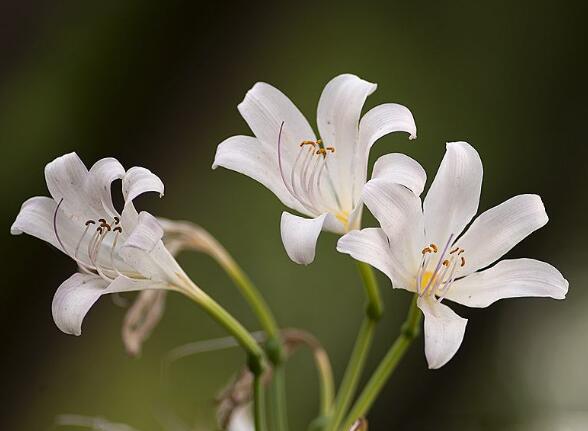
I. How to water Datura flowers
1. Watering in spring
Spring is the season when Datura grows rapidly, so its water requirements are relatively high, but it does not need to be too frequent. Keep the frequency at watering once every 4-5 days. Of course, this frequency is not fixed. After all, spring is a season with more rain, so everyone can decide based on the situation. Generally, keeping the soil moist is enough.
2. Watering in summer
Summer is the season with the highest temperatures of the year, and water also evaporates faster, so in this season watering is needed almost every day. Otherwise, it is very easy to cause insufficient water and the appearance of yellowing leaves. In addition to watering more, shading is also needed, otherwise this phenomenon is also easy to cause. For specific details, everyone can refer to the article on Datura cultivation methods. Here, the editor will not introduce too much.
3. Watering in autumn
The climate in autumn is similar to that in spring, and both are quite suitable for Datura growth. However, compared with spring, the autumn climate is relatively drier, so the watering frequency should be increased a bit compared with spring. Generally, water once every 3-4 days. Datura likes a moist environment, so keeping the soil at a certain humidity is enough.
4. Watering in winter
Winter is the season with the lowest temperatures of the year. In this season, Datura does not have very high water requirements, so water as little as possible. If watered too much, it not only cannot absorb it, but the plant is also prone to frost damage. In winter, the watering frequency is generally once every 7-10 days, and when watering, keeping the soil slightly moist is enough. It does not need to be too wet.
II. Precautions for watering Datura flowers
Datura is a plant that quite likes a moist environment, but it is not tolerant of waterlogging, so when watering, be sure not to cause water accumulation, otherwise root rot or some diseases and pests are very likely to occur. Everyone should pay attention to this point.
How to grow potted Datura flowers, Datura cultivation methods and precautions
Datura, I believe everyone is familiar with this name, having heard it in many films and TV dramas, but not many people truly understand it. In fact, many people in our country cultivate this plant. How do you grow potted Datura? What are the cultivation methods and precautions for Datura? Below, the editor will walk everyone through them.
I. How to grow potted Datura flowers
If you want to know how to grow potted Datura, first we need to understand its growth habits. This plant likes a warm and moist environment, so during cultivation you must maintain sufficient light. Of course, this is only one of the points. There are also many other places that need attention. As for what they are? They are introduced in detail below. Let us continue reading.
II. Datura cultivation methods and precautions
1. Soil requirements
Datura does not have very high soil requirements and can survive in many soils, but different soils still have a certain effect on its growth. The best choice is humus soil. This kind of soil has relatively good drainage and allows Datura to absorb nutrients better.
2. Fertilization requirements
Among the cultivation methods and precautions for Datura, fertilization is a very important aspect. The fertilizer chosen at each stage is different, and the fertilization requirements are also different. For this point, everyone can refer to the article on how to fertilize Datura. Here, the editor will not introduce too much.
3. Watering requirements
Datura likes a moist environment, so when watering, be sure to water thoroughly and maintain soil moisture, but remember not to let water accumulate, otherwise root rot is very likely to occur. There is no fixed watering frequency; just water according to the situation.
4. Light requirements
Among the cultivation methods and precautions for Datura, light is also a relatively important part. It is a light-loving plant, so during cultivation you must maintain sufficient light. However, in summer when the light is too strong, shading still needs attention.
5. Proper pruning
During Datura's growth process, some dead branches and rotten leaves will appear. At this time, we need to prune them in time. This is not only good for appearance, but can also promote Datura to produce new branches, so proper pruning is very necessary.
6. Pest and disease control
In the process of cultivating Datura, if cultivation is improper, symptoms such as pests and diseases are very likely to appear. At this time, we need to carry out prevention and control. For specific prevention and control methods, everyone can refer to the article on Datura pest and disease control, which has detailed introductions.
How to propagate Datura flowers, Datura propagation methods/seed sowing/cuttage
Datura is a highly ornamental plant. Although it is somewhat toxic, many people still choose to cultivate this plant at home. As more people cultivate it, how to propagate Datura has also become a issue people care about more. What are the propagation methods for Datura? Below, the editor will walk everyone through them.
I. How to propagate Datura flowers
Regarding how to propagate Datura, it can generally be divided into two types: seed propagation and cuttage propagation. As long as the methods are mastered correctly, the survival rates of both propagation methods are relatively high. Specific details are explained in the article below on Datura propagation methods. Let us continue reading.
II. Datura propagation methods
Seed propagation
1. Sowing time
When carrying out seed propagation of Datura, it is best to do it every spring. The climate during this period is more suitable and will be more conducive to seed germination. As for the seeds, we can choose seeds that matured the previous year for sowing.
2. Sowing method
Among Datura propagation methods, seed propagation is a relatively commonly used method. First, we need to level the soil, then evenly scatter the seeds on the soil surface, and afterward cover them with about 2 cm of soil before watering. When watering, be careful to water thoroughly once, but do not cause water accumulation. Then simply wait about 15 days and they will germinate.
3. Follow-up management
After germination, we can carry out normal care for Datura. There are many points to note in terms of care. Friends who do not understand can refer to the article on Datura cultivation methods, which has detailed teaching. Here, the editor will not introduce too much.
Cuttage propagation
1. Soil selection
Among Datura propagation methods, whether seed sowing or cuttage, the soil selection is the same and is also a relatively important step. Choosing the right soil can greatly increase the survival rate. In this regard, we can choose relatively loose humus soil. This kind of soil has relatively good drainage and can allow Datura to absorb nutrients better.
2. Cutting selection
In terms of cuttings, we should preferably choose relatively robust branches, as this will give a higher survival rate. Do not choose those branches that look very frail. Using such branches for cuttage makes it very difficult to survive.
3. Cuttage method
Among Datura propagation methods, cuttage propagation is used by fewer people than seed propagation, but the survival rate is not low at all. First, we can use chopsticks to poke a hole in the center of the potting soil, then insert the selected cutting into the hole by two-thirds and press the soil flat. After that, we can water. Water thoroughly once, then let it sit for about 15-20 days and it will take root. After that, normal care is enough.