What to do when gardenia leaves turn yellow? Just remember these 7 points
Gardenia has a pleasant fragrance and lovely white flowers, making it a favorite of many gardeners. However, problems often arise during cultivation, such as yellowing leaves. So what should you do when gardenia leaves turn yellow? Outdoors, nature provides the best growing environment for gardenias, but indoors, we have to create it artificially. Once conditions are unsuitable, yellowing leaves will appear. Below, the editor will explain the causes of yellowing gardenia leaves and their solutions.
1. What to do when gardenia leaves turn yellow - stay calm
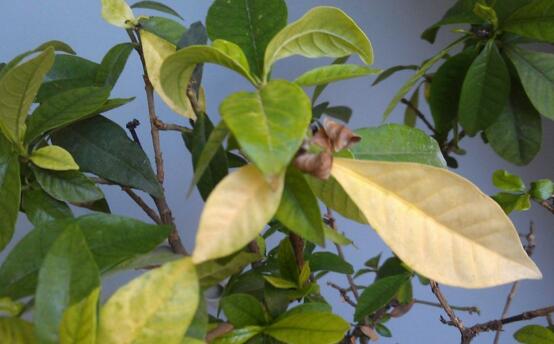
In our guide to gardenia care, we mentioned that when growing gardenias indoors, soil, light, and watering are all very important. Once something goes wrong, the leaves may turn yellow. As for what to do when gardenia leaves turn yellow, the first thing to do is stay calm, then find the cause of the yellowing, and finally address it accordingly.
2. Causes of yellowing gardenia leaves and solutions
1. Sudden environmental change
When it comes to the causes of gardenia yellowing, first check whether you just bought the plant. If you just brought home a gardenia from the market, suddenly moving it from a greenhouse to a new environment, with sudden changes in temperature, moisture and so on, may cause the leaves to turn yellow.
Solution: If a newly purchased gardenia has yellowing leaves, it may also be caused by environmental change. At this point, observe it for a period of time while paying attention to proper care. Generally, it will recover within a few days. If it does not, then the yellowing is caused by other reasons.
2. Dry air
Gardenia loves moisture and grows relatively easily in southern climates with southerly winds. However, in the north, where it is relatively dry and air humidity is insufficient, the leaves will turn yellow and withered.
Solution: Place the gardenia in a large tray filled with water around it. At the same time, mist the leaves daily to keep them fully moist.
3. Overwatering or underwatering
Gardenia leaves can also turn yellow due to overwatering. The symptoms are: young leaves turn dull yellow and lose their luster, old leaves show no obvious change, branches become thin and yellow-green, and new shoots shrivel and stop growing, indicating overwatering. Yellowing from underwatering is different from yellowing from overwatering: yellowing from lack of water shows as withered, dried tips or edges of leaves, with old leaves turning yellow and dropping from the bottom up, but new leaves growing relatively normally.
Solution: 1) Overwatering: Remove the plant from its pot, place it in a ventilated, shady spot to let the root ball dry naturally, then repot it. 2) Underwatering: Simply water thoroughly and deeply.
4. Insufficient light or direct sun exposure
Insufficient light or direct sun exposure is also one of the causes of yellowing gardenia leaves. If placed in a shaded environment for a long time, the leaves cannot get enough sunlight and cannot form chlorophyll, so the entire plant's leaves turn yellow and then drop. If placed directly under strong sun, the tips and edges of gardenia leaves are prone to withering, and yellow spots appear on the sun-facing parts of the leaves.
Solution: 1) Insufficient light: Supplementing light can prevent this problem. 2) Sun exposure: Simply move it to a shaded area.
5. Improper fertilizing
Gardenia loves fertilizer. Once it is under-fertilized, the leaves will turn yellow, showing as: young leaves fading in color to yellow or pale green, while old leaves remain relatively normal or gradually turn from green to yellow. However, too much fertilizer can also cause gardenia leaves to turn yellow, showing as: the tips of new leaves turning dry brown, leaves generally thick and lusterless with an uneven, unrelaxed surface, and old leaves turning scorched yellow and dropping.
Solution: 1) Nutrient deficiency: Check the potting soil. If it is dry and compacted, replace the soil. Usually apply light fertilizer frequently and water with some alum water at appropriate times. 2) Over-fertilizing: Immediately stop fertilizing. In severe cases, use large amounts of water to flush out some of the fertilizer.
6. No repotting or soil change for a long time
If a purchased gardenia has not been repotted or had its soil changed for a long time, its branches and leaves will grow thin and weak, and the leaves will become thin and then turn yellow. Solution: Repot it, replace with fresh loose, fertile potting soil, and gradually increase applications of dilute, well-rotted liquid fertilizer or compound flower fertilizer.
7. Poor ventilation
The growing environment for gardenias needs to be ventilated and moist, with bright light. If windows are not opened regularly, yellowing leaf edges will also appear. Solution: Remember to open the windows every day for ventilation.
What to do when gardenia leaves turn yellow - after reading the above, now you know! Actually, as long as we are a bit more attentive in our daily care, the leaves will not turn yellow. But even if gardenia leaves do turn yellow, it is not a big deal, because gardenias have very strong vitality. We just need to identify the cause based on the symptoms and then address it. That is all about gardenia leaves turning yellow. We hope it helps.
What to do when gardenia leaves turn yellow What to do when gardenia leaves turn yellow
Causes of gardenia leaves turning yellow
Improper watering
During gardenia cultivation, do not water too much. Water accumulation in the pot or overly wet soil will cause young leaves to become dull and lusterless, grow slowly, and old leaves to turn yellow-green and gradually wither.
Improper light
Too much or too little light can cause the plant's leaves to turn yellow. With prolonged direct strong light, yellow spots will appear on the leaf surface. But if placed in a shaded environment for a long time, the leaves will drop because they cannot get enough sunlight. Light should be supplemented promptly.
Improper fertilizing
During gardenia cultivation, high fertilizer concentration will cause the plant to turn yellow. The tips of new leaves will appear yellow-brown, the leaf surface will be uneven and lusterless, and old leaves will gradually wither and drop. At this point, fertilizer needs to be supplemented promptly, but before that, you need to judge based on the plant's symptoms which nutrients should be supplemented, as follows:
Nitrogen deficiency: With nitrogen deficiency alone, the leaves turn yellow, and new leaves are small and brittle.
Potassium deficiency: When a plant lacks potassium, old leaves turn from green to brown.
Iron deficiency: At first, the leaves turn pale yellow or white, while the veins remain green. In severe cases, the veins also turn yellow or white, and eventually the leaves dry up and die.
Magnesium deficiency: Yellowing starts from old leaves and gradually spreads to new leaves, while the veins remain green. In severe cases, the leaves drop and the plant dies. 5) Phosphorus deficiency: Old leaves turn purplish-red or dark red.
Temperature too low
Gardenia can tolerate low temperatures, but temperatures that are too low can cause leaves to turn yellow. During gardenia care, winter frost damage is common. If no warming measures are taken on early spring and early winter nights, the plant is prone to frost damage.
How to treat yellowing gardenia leaves
Let it slowly adapt to the environment
Gardenias newly bought from the market are mostly taken out of greenhouses and need an adjustment period when moved to a new environment. If the environmental difference is too great, it will cause yellow leaves - this is an uncontrollable factor. Therefore, if the leaves turn yellow, observe for a period of time and provide good care during this period.
Water more
Gardenia loves water, loves warm southerly winds, and loves moist environments. But in the north, the weather is dry and air humidity is insufficient, all of which will cause the plant's leaves to turn yellow. Whether in the south or the north, the best method is to place the plant in a large tray filled with water, and remember to mist the leaves daily so they absorb moisture and become plump and glossy.
Acidic water is more suitable
Gardenia loves acidic soil. Tap water is alkaline or neutral, so when watering, often add some acidic substances, such as edible vinegar or citric acid.
Open windows for ventilation
Gardenias grown indoors need frequent ventilation. Ensure the environment has bright light, and place the plant near a window for care.
Fertilize reasonably
The above described the various signs of nutrient deficiency in gardenias. Supplement fertilizer appropriately according to the plant's growth state to ensure a balance of each nutrient. If too much fertilizer is applied, immediately water to flush it out, or repot and change the soil.
Prune yellow leaves
Gardenia has woody stems. When yellow leaves appear, directly cut off the yellowed branches. This ensures normal growth of the main stem. With careful care, new leaves will grow before long.
What to do when gardenia leaves turn yellow What to do when gardenia leaves turn yellow and dry up?
Gardenia is native to China and is cultivated in most parts of the country, concentrated in most areas of East China, Southwest China, and Central South China. Gardenia loves a growing environment with moist air, ample light, and good ventilation. In summer, avoid direct sunlight. It is suitable for living in slightly shaded areas. It tolerates partial shade, fears waterlogging, and is relatively cold-tolerant. The most suitable growing temperature is around 16 degrees. In winter, the temperature must not drop below 0 degrees; if too low, it will enter a dormant period. In Northeast China, North China, and Northwest China, it can only be grown as a potted greenhouse flower. It is best planted in loose, fertile, well-drained, lightly clayey acidic soil. It is a typical acid-loving flower.
It is edible and medicinal. "Compendium of Materia Medica" says it "improves complexion, and in 'Qianjin Yi' it is used in facial cream." "Diannan Bencao" says it "clears lung fire, stops cough from lung heat, stops nosebleeds, and reduces phlegm."
During the growth of gardenias, yellowing leaves often occur. Too much or too little water, too much or too little sunlight, too much or too little fertilizer - any imbalance in cultivation and management can cause leaves to turn yellow. But the yellowing conditions differ, so you should carefully observe and analyze the cause and correct it.
Gardenia yellowing is divided into the following situations:
Water-yellowYoung leaves turn dull yellow and lusterless, old leaves show no obvious change, branches become thin and yellow-green, and new shoots shrivel and stop growing, indicating overwatering. Remove the plant from its pot, place it in a ventilated, shady spot to let the root ball dry naturally, then repot it.
Drought-yellowYellowing from lack of water is different from yellowing from too much water. Yellowing from lack of water shows as withered, dried tips or edges of leaves, with old leaves turning yellow and dropping from the bottom up, but new leaves growing relatively normally. Simply water thoroughly and deeply.
Sunscorch-yellowWhen strong direct sunlight hits some shade-loving flowers (such as spider plants and hostas), the tips and edges of the leaves are prone to withering, and yellow spots appear on the sun-facing parts of the leaves. Simply move them to a shaded area. Light-deficiency yellow: If placed in a shaded environment for a long time, the leaves cannot get enough sunlight and cannot form chlorophyll, so the entire plant's leaves turn yellow and then drop. Supplementing light can prevent this problem.
Fertilizer-yellowFlower yellowing caused by too much fertilizer or too high a concentration shows as the tips of new leaves turning dry brown, leaves generally thick and lusterless with an uneven, unrelaxed surface, and old leaves turning scorched yellow and dropping. Immediately stop fertilizing. In severe cases, use large amounts of water to flush out some of the fertilizer.
Nutrient-deficiency-yellowIt shows as young leaves fading in color to yellow or pale green, while old leaves remain relatively normal or gradually turn from green to yellow. Check the potting soil. If it is dry and compacted, replace the soil. Usually apply light fertilizer frequently and water with some alum water at appropriate times.
In summer and autumn, prevent exposure to scorching sun to avoid yellowing and withering of leaves, which affects ornamental value.。
Starting in April, apply light fertilizer once every 10 to 15 days, and once flower buds appear, do not water too much. Once there are flower buds, do not water too much, otherwise it will cause bud drop. Apply phosphorus and potassium fertilizer and thin the buds to prevent bud drop. This flower needs scattered light and likes acidic fertilizer. This flower fears waterlogging; when waterlogged, the leaf edges turn black. Generally, when you see the soil is dry, tap the clay pot with your hand (like tapping a watermelon), and when you hear a hollow "dang dang" sound, water until water leaks from the bottom. Use tap water that was drawn the day before and left to sit for a day and night. Mix in some well-rotted upper-layer liquid fertilizer made from rice-washing water, lemon peel, crushed bones, eggs, soybean milk and so on. It smells a bit bad, but the smell disperses shortly after watering. Alternatively, let rice-washing water sit for a few days until it turns sour, then water it at the roots.
If the gardenia leaves have dried up but the plant has not died, directly soak the entire pot of gardenia in water for a day (first aid for drought-stressed gardenias), then take it out and place it in a ventilated, shady environment with ample scattered light. Do not put it in the sun. In about ten days, new shoots will sprout again.
Do you know the flower language of gardenia - eternal love and promise, a lifetime of waiting and joy.
Gardenias bloom and bloom, light youth and pure love. May your love bloom in the same season as gardenias, not competing in splendor but only in its own season...