-
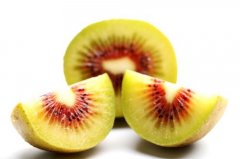
Where is the authentic place of origin for red-fleshed kiwifruit? What are the suitable growing regions
Do you like eating red-fleshed kiwifruit? Then would you like to know where the most authentic red-fleshed kiwifruit comes from and what the places of origin are? What kind of places is it suitable for growing in? The main places of origin for red-fleshed kiwifruit include Dujiangyan in Sichuan, Shangyu in Zhejiang, Liupanshui in Guizhou, Xixia in Henan, and other places
-
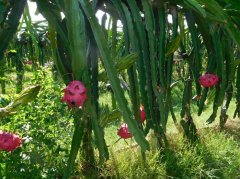
How can the per-mu yield of red-fleshed dragon fruit be increased? How much does dragon fruit cost per jin, is it expensive?
At the height of summer, red dragon fruit is about to enter a harvest season lasting half a year. Starting in May, it enters the flower bud formation stage, entering the production period with a pattern of forming 1 batch of flower buds every 15 days. If no adjustment is made, this will lead to the predicament of excessive yield but poor quality. The Taichung District Agricultural Improvement
-
Grade A Malaysian D101 Red Flesh Golden Durian Introduction: What Are D24, D28 Sultan King Durian and Monthong?
Malaysian D101 red flesh durian, it is usually sweet, with a soft texture, the flesh is not thick, there is no omph factor, and it has a sour aftertaste. For those who like sweet durian and children, this goes down smoothly. Considering value for money from the peak season, the price
-
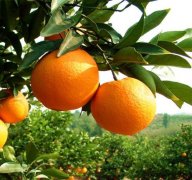
What is the difference between red-fleshed oranges and yellow-fleshed oranges, and which one tastes better?
There are red-fleshed oranges as well as traditional yellow-fleshed oranges, so what kind of differences are there between these two oranges? Would you like to find out! Whether yellow-fleshed or red-fleshed liu ding (oranges), both are among the "sweet orange" varieties of the Rutaceae family, Citrus genus. Sweet oranges have many varieties; based on fruit type
-
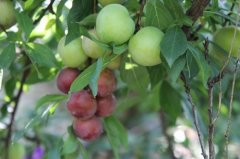
Characteristics of major cultivated plum varieties: Shalian plum, red-fleshed plum, yellow-fleshed plum, etc.
Do you like eating plums? Then do you know which plum varieties are generally available on the market now? How is the fruit set rate of plums? Let's take a look together! Major cultivated varieties and their characteristics. Shalian plum: also called Shanlian plum, tree height about 2.5-3 m, leaf shape relatively narrow and small,
-
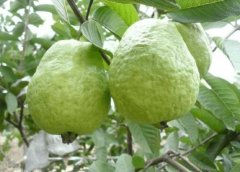
King Guava Variety Guide: Taiwan Red Flesh, Yilan Red Flesh, or Yanchao Rainbow - Which Is Best?
Guava is also called bang-le, and guava growing techniques are relatively easy. Do you know which guava varieties there are? Would you like to learn about them? Let's take a look at the four varieties below and see whether you have tasted them! Tainong No. 1 (King Guava) Introduction: In 2006, it was bred by the
-
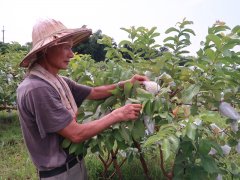
How to Pick Sweetheart Guava and Red-Fleshed Guava? An Analysis of the Flavor Characteristics of Red-Fleshed Guava
As the seasons change, guava in the Yilan region has also begun to enter its peak production period. Guava cultivation and management techniques are relatively simple. Unlike the mainstream varieties commonly found on the market, which are mostly known for their crisp texture, the guavas abundantly produced locally in Yilan instead feature soft, springy flesh as their main selling point.
-
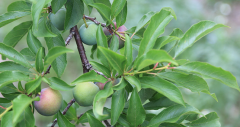
How is the red-heart red-flesh plum variety? Growing conditions and environmental features of the Tengzhi tribe
During the Japanese occupation era, when Taiwan was colonized by the Japanese, the Tengzhi tribe in Taoyuan, Kaohsiung was in early times a vast expanse of cedar and tung blossoms. The Bunun tribespeople living here enjoyed peaceful lives and were content with their lot. After chatting and interacting with them, one feels that just like the place name here, being here is like a hidden paradise on earth!
-
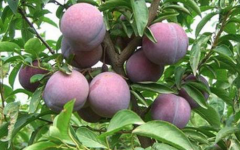
When is plum season? Characteristics of common varieties Shalian plum and red-fleshed plum
Plums are also known as "Jiaqingzi" and are in season from May to August each year. When and how to prune plum trees - you should know that plums have strong adaptability to climate, are not demanding about soil, grow quickly, produce high yields, and have high economic value. Besides being eaten fresh, they can also be made into canned goods.
-
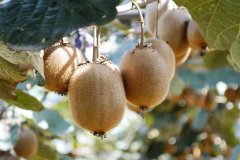
Red-fleshed, yellow-fleshed, and green-fleshed kiwifruit: which is better?
Green-fleshed kiwifruit is fairly hard when picked from the vine and needs to sit at room temperature for about 6 days to ripen naturally; yellow-fleshed kiwifruit is different from the green-fleshed kind, as it is ready to eat as soon as it feels slightly soft. Relatively speaking, many people say the yellow-fleshed one tastes a bit better.
条件筛选