-
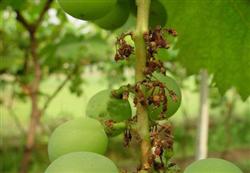
What are the control methods for grape bunch stem blight?
Common grape diseases include: grape bunch stem blight, gray mold, powdery mildew, anthracnose, black pox, white rot, sunburn, and many other diseases. Here is an introduction to how grape bunch stem blight is controlled: grape bunch stem blight mainly damages young flower buds, the rachis, or young fruit, causing them to shrivel and dry up, resulting...
-
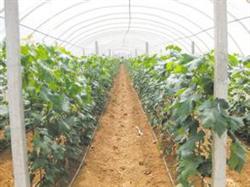
What pesticides are used to control common diseases of greenhouse grapes
Pesticide control measures for various diseases of greenhouse grapes: Control method for grape downy mildew: clean up the orchard, spray 5 degrees Baume lime sulfur mixture before bud break, spray once every half month starting from the young fruit stage, and spray 40% metalaxyl 800-1000 times dilution when the disease occurs. Control method for grape white rot: clean the orchard, starting from June every...
-

What are the common diseases of oilseed rape? Detailed explanation of control methods
Common diseases of oilseed rape and their control
-

Sapphire grapes can survive just by touching soil; grow them in pots at home and enjoy fresh fruit next year
After eating table grapes, it is time for grapes, and right now is exactly the season when autumn grapes ripen. Yatou recently discovered a very beautiful and very delicious grape! For people who grow flowers, anything they can grow at home is worth trying! Sapphire...
-

-

-
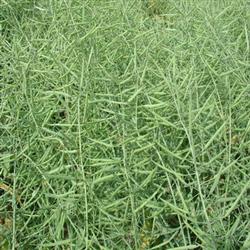
Correct Methods and Technical Key Points for Fertilizing Winter Rapeseed
Rapeseed "flowering but not seeding," also known as stunted non-seeding. That is, from the onset of the disease in the plant until maturity, it continues to bloom successively, but cannot set seed normally. It is a physiological disease caused by planting rapeseed on boron-deficient soil, mainly occurring in Brassica napus varieties, but in recent years it has also been found in Brassica rapa rapeseed. After the disease occurs...
-
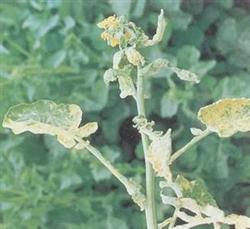
Beware of viral disease in rapeseed seedlings: detect and treat early
The characteristics of viral disease occurrence in rapeseed seedlings in seedbeds are as follows: 1. In seedbeds where farmyard manure such as pig manure, cow manure and chicken manure was applied during land preparation, the rapeseed seedlings do not develop the disease. 2. In seedbeds where no farmyard manure was applied and only ammonium bicarbonate was applied, the rapeseed seedlings develop the disease severely. 3. For the same variety and the same fertilizer rate, rapeseed seedlings in seedbeds with high fertility do not develop the disease, while rapeseed seedlings in seedbeds with low fertility do develop the disease.
-
Effect of phosphorus nutrition on double-low rapeseed and the timing of application
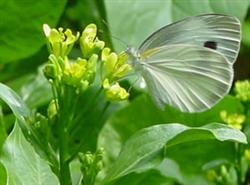
Rapeseed white butterfly, scientific name Artogeia (Pieris) rapae (Linnaeus), order Lepidoptera, family Pieridae. Synonym Artogeia rapae (L.). Also known as the cabbage white butterfly, white powder butterfly. The larva is called the cabbage caterpillar. Distributed throughout the country. Hosts include rapeseed, cabbage, cauliflower, Chinese cabbage, radish and other cruciferous vegetables...
-
Detailed explanation of the double-low rapeseed minimal and no-tillage relay direct seeding cultivation technique
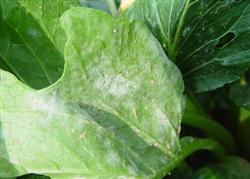
Controlling rapeseed powdery mildew well is a prerequisite for obtaining high yield and high quality in rapeseed, while autumn-sown rapeseed at the final flowering stage and the middle-to-late pod stage is precisely in the March-April period of high temperatures and shading between plants, when powdery mildew occurs rather commonly, greatly reducing the 1000-grain weight of rapeseed and thereby affecting yield; therefore, the control of rapeseed powdery mildew is very important. 1. Harm...
条件筛选